1. Introduction to Behavioral Segmentation
2. The Science Behind Behavioral Segmentation
3. The First Step in Behavioral Segmentation
5. Tailoring Messages for Each Group
6. Successful Behavioral Segmentation Campaigns
7. Integrating Behavioral Segmentation with Other Marketing Techniques
Audience targeting: Behavioral Segmentation: Unlocking the Power of Behavioral Segmentation for Precision Audience Targeting
1. Introduction to Behavioral Segmentation
Behavioral segmentation is a cornerstone of marketing strategy, enabling businesses to divide their audience into groups based on observable patterns in the way customers interact with products and services. Unlike demographic or geographic segmentation, which categorize consumers based on who they are or where they live, behavioral segmentation focuses on how they behave—what they buy, how often they make purchases, their level of brand loyalty, and more. This approach allows for a nuanced understanding of the customer base, providing invaluable insights that can be leveraged to tailor marketing efforts, enhance customer engagement, and ultimately drive sales.
From the perspective of a small business owner, behavioral segmentation is a game-changer. It empowers them to compete with larger corporations by targeting niche markets with precision. For instance, a local coffee shop might notice that a significant portion of their clientele purchases specialty lattes on weekend mornings. Recognizing this pattern, the owner could create a weekend latte promotion to encourage repeat business.
On the other hand, a digital marketer might use behavioral segmentation to optimize online ad campaigns. By analyzing click-through rates and purchase history, they can identify which products resonate with different segments and adjust their ad spend accordingly.
Here are some key aspects of behavioral segmentation:
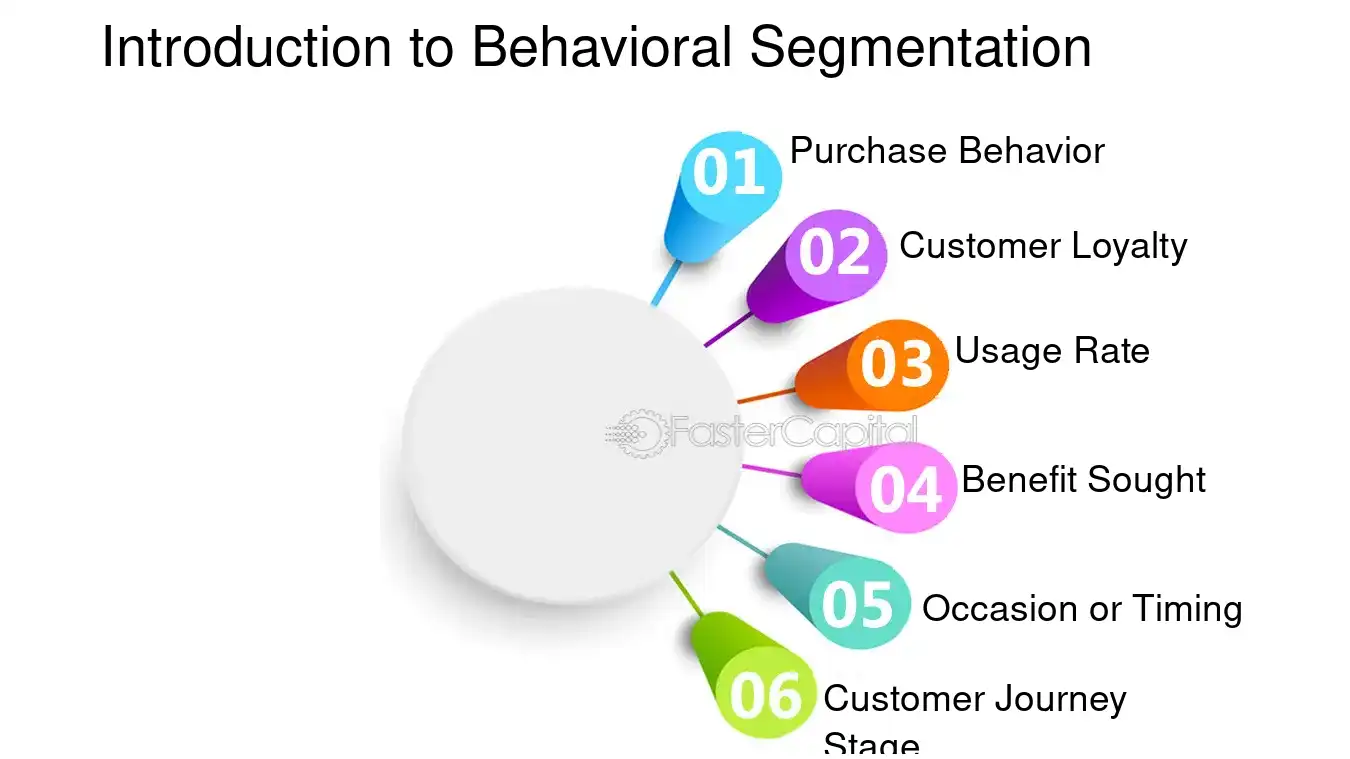
1. Purchase Behavior: Understanding the types of products a customer buys and the frequency of their purchases can reveal their needs and preferences. For example, a customer who regularly buys organic food items is likely health-conscious and may respond well to promotions for new organic products.
2. Customer Loyalty: Identifying loyal customers can help businesses create targeted loyalty programs. For instance, an airline might offer tiered rewards based on the number of flights a customer takes, encouraging them to continue choosing the airline over competitors.
3. Usage Rate: Segmenting customers by how often they use a product can inform decisions about product development and marketing. A software company, for example, might offer advanced features to power users while simplifying the interface for less frequent users.
4. Benefit Sought: Different customers may use the same product for different reasons. A smartphone might be a tool for business for one user, while another might value it primarily for its gaming capabilities. tailoring marketing messages to highlight specific benefits can attract more targeted segments.
5. Occasion or Timing: Some purchases are tied to specific occasions or times. Retailers often use this information to time their marketing efforts, such as promoting party supplies before major holidays.
6. Customer Journey Stage: Customers at different stages of the journey—from awareness to consideration to decision—require different marketing approaches. A customer in the awareness stage might need more informational content, while one in the decision stage might be more receptive to a strong call-to-action.
By integrating these insights into their marketing strategies, businesses can create more effective campaigns that resonate with their audience on a deeper level. Behavioral segmentation isn't just about selling more; it's about building lasting relationships with customers by understanding and catering to their unique behaviors and needs.
Introduction to Behavioral Segmentation - Audience targeting: Behavioral Segmentation: Unlocking the Power of Behavioral Segmentation for Precision Audience Targeting
2. The Science Behind Behavioral Segmentation
Behavioral segmentation is a cornerstone of marketing strategies, allowing businesses to tailor their offerings and communications to specific customer groups based on their actions and behaviors. This approach goes beyond traditional demographic segmentation by focusing on patterns such as purchase history, product usage, and online activity. By analyzing these behaviors, companies can identify high-value customers, improve customer engagement, and increase the effectiveness of their marketing efforts.
From a psychological standpoint, behavioral segmentation taps into the cognitive biases and heuristics that influence consumer decision-making. For example, the availability heuristic suggests that people make decisions based on the information most readily available to them, which can be shaped by recent interactions with a brand. Similarly, the anchoring effect can cause customers to rely heavily on the first piece of information they encounter, such as an initial price offering, which can influence their subsequent buying behavior.
From a data science perspective, behavioral segmentation leverages advanced analytics and machine learning algorithms to process large volumes of data and uncover patterns that might not be visible to the human eye. This can include clustering techniques that group customers with similar behaviors or predictive models that anticipate future actions based on past behavior.
Here are some in-depth insights into the science behind behavioral segmentation:
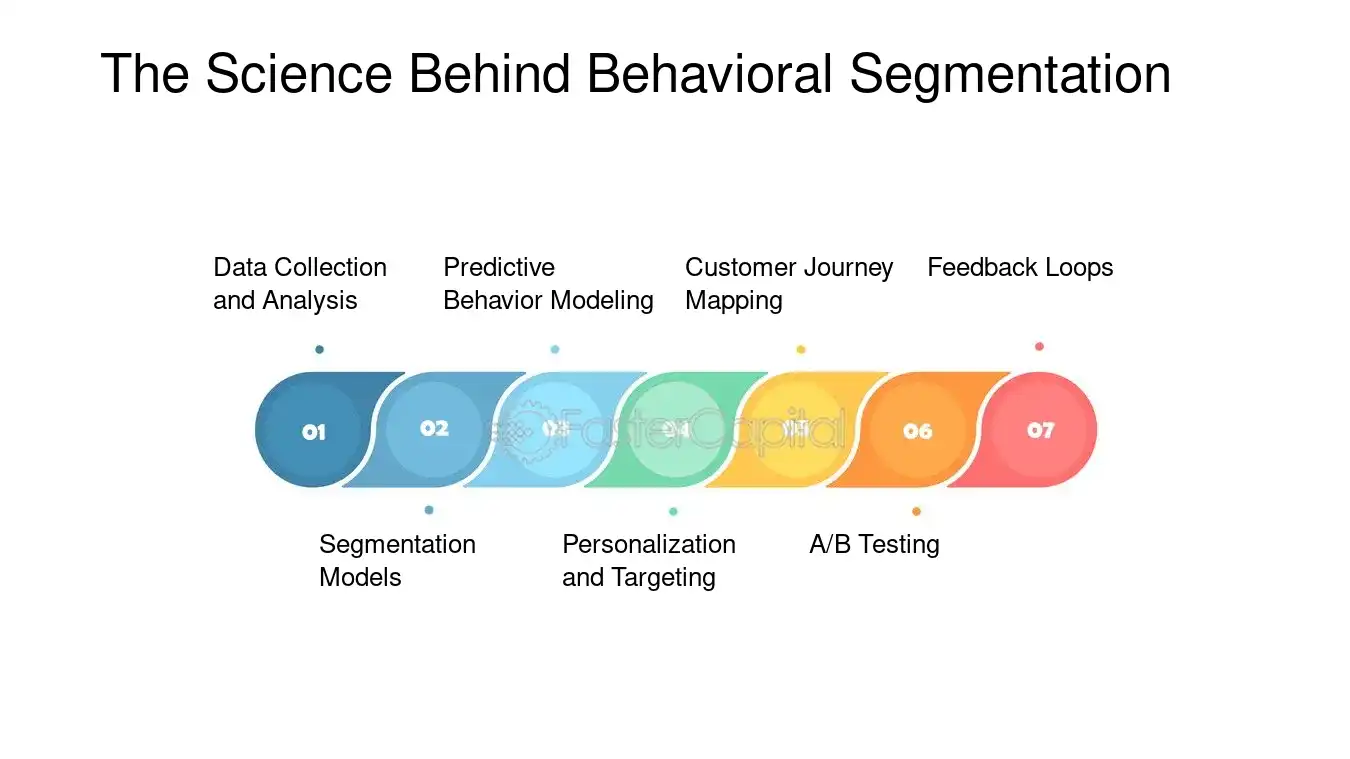
1. data Collection and analysis: The first step involves gathering data from various touchpoints, such as website interactions, social media engagement, and purchase transactions. This data is then cleaned and analyzed to identify patterns and trends.
2. Segmentation Models: Marketers use different models to segment audiences, such as RFM (Recency, Frequency, Monetary) analysis, which categorizes customers based on their transaction history, or sequential pattern mining, which looks at the order in which products are purchased.
3. Predictive Behavior Modeling: By applying statistical models and machine learning, businesses can predict future customer behavior. For instance, a customer who frequently buys organic products may be more receptive to promotions related to health and sustainability.
4. Personalization and Targeting: Once segments are identified, personalized marketing strategies can be developed. For example, a streaming service might recommend action movies to a segment that frequently watches thrillers.
5. Customer Journey Mapping: Understanding the customer journey allows businesses to identify key touchpoints and opportunities for engagement. For instance, if data shows a high drop-off rate at the checkout page, efforts can be made to streamline the process.
6. A/B Testing: This involves comparing two versions of a campaign to see which performs better with a particular segment. For example, an e-commerce site might test two different homepage layouts to see which leads to more purchases from new visitors.
7. Feedback Loops: Incorporating customer feedback helps refine segmentation and targeting efforts. Surveys and customer interviews can provide qualitative insights to complement quantitative data.
To illustrate, consider an online bookstore that uses behavioral segmentation to target its marketing campaigns. By analyzing purchase history, the bookstore might find that a segment of customers frequently buys mystery novels. They can then create personalized recommendations and promotions for new mystery releases, increasing the likelihood of repeat purchases.
In essence, the science behind behavioral segmentation is about understanding and predicting human behavior to create more effective marketing strategies. It's a dynamic field that combines psychology, data analysis, and technology to deliver personalized experiences to customers.
The Science Behind Behavioral Segmentation - Audience targeting: Behavioral Segmentation: Unlocking the Power of Behavioral Segmentation for Precision Audience Targeting
3. The First Step in Behavioral Segmentation
In the realm of audience targeting, the practice of behavioral segmentation stands out as a sophisticated strategy that hinges on the meticulous collection and analysis of data. This initial step is pivotal, as it lays the groundwork for identifying distinct patterns in consumer behavior, which can then be leveraged to tailor marketing efforts with remarkable precision. The process of collecting data is multifaceted, involving various methodologies and sources to capture a comprehensive view of consumer actions.
From the perspective of a marketer, data collection is akin to assembling a complex puzzle. Each piece of data represents a consumer interaction, whether it's a click, a purchase, or time spent on a webpage. These interactions, when pieced together, reveal the behavioral tendencies of different audience segments. For instance, one segment might frequently purchase items late at night, suggesting that they are night owls and may respond well to campaigns run during evening hours.
Similarly, from a data scientist's viewpoint, the quality and granularity of the data collected are of utmost importance. Data must be accurate, timely, and detailed enough to allow for sophisticated analyses such as predictive modeling and personalization algorithms. For example, a data scientist might use transactional data to predict future purchases or to identify products that are frequently bought together.
Here are some key steps in the data collection process for behavioral segmentation:
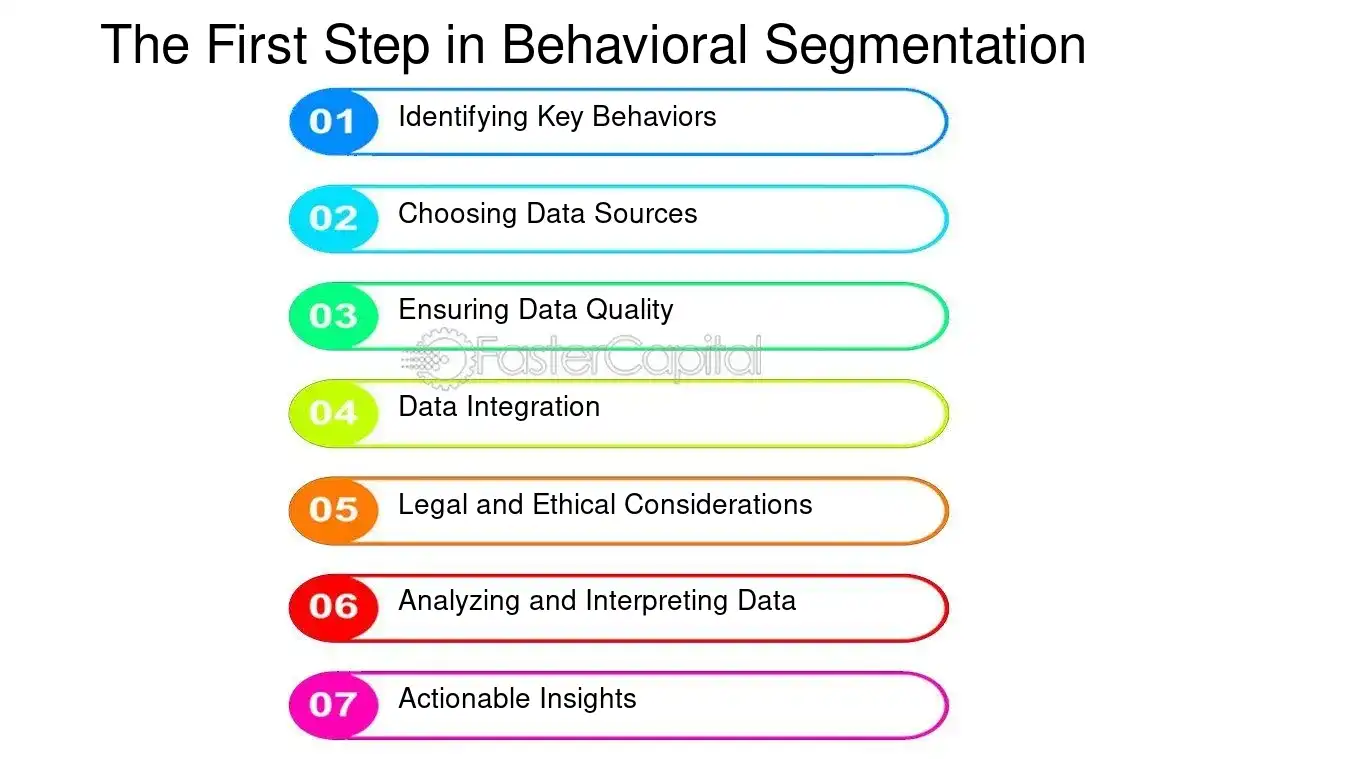
1. Identifying Key Behaviors: Determine which consumer actions are most relevant to your business goals. For example, if you're an e-commerce retailer, you might track website navigation patterns, cart additions, and purchase histories.
2. Choosing Data Sources: Collect data from a variety of sources such as website analytics, CRM systems, social media interactions, and customer feedback to gain a 360-degree view of consumer behavior.
3. Ensuring Data Quality: Implement measures to ensure the accuracy and consistency of the data collected. This might involve cleaning data, removing duplicates, and validating data sources.
4. Data Integration: Combine data from disparate sources to create a unified database. This integrated data can then be analyzed to uncover behavioral trends.
5. legal and Ethical considerations: Adhere to data privacy laws and ethical guidelines when collecting and using consumer data. This includes obtaining consent and ensuring data security.
6. Analyzing and Interpreting Data: Use statistical methods and machine learning algorithms to analyze the data and extract meaningful insights about consumer behavior.
7. Actionable Insights: Translate the data-driven insights into actionable strategies for targeted marketing campaigns.
To illustrate, let's consider a real-world example. A streaming service might observe that a significant portion of its users binge-watch series on weekends. By collecting data on viewing patterns, the service can segment these users and target them with personalized recommendations for new series releases on Friday evenings, thereby increasing engagement and retention.
Collecting data is a critical first step in behavioral segmentation that requires a thoughtful approach to data sources, quality, and analysis. By understanding and applying the insights gained from consumer behavior, businesses can craft highly targeted and effective marketing strategies.
The First Step in Behavioral Segmentation - Audience targeting: Behavioral Segmentation: Unlocking the Power of Behavioral Segmentation for Precision Audience Targeting
4. Patterns and Trends
understanding customer behavior is a cornerstone of marketing, providing invaluable insights into how consumers interact with brands and products. By analyzing patterns and trends in customer behavior, businesses can tailor their marketing strategies to better meet the needs and preferences of their target audience. This analysis goes beyond mere transactional data; it delves into the nuances of consumer habits, preferences, and decision-making processes. From the frequency of purchases to the choice of communication channels, every action taken by a customer offers a glimpse into their unique behavioral profile.
1. Purchase Patterns: Recognizing recurring purchase behaviors can reveal a customer's loyalty or their response to marketing efforts. For example, a customer who buys coffee from the same brand every morning is displaying brand loyalty, while a customer who only purchases during sales events is price-sensitive.
2. Engagement Trends: Engagement metrics such as website visits, time spent on a page, or interaction with social media posts can indicate the effectiveness of content and the level of interest in a brand. A spike in website traffic following a marketing campaign suggests successful engagement.
3. Channel Preferences: Customers have distinct preferences for how they receive information and interact with brands. Some may prefer email communications, while others are more responsive to social media or in-app notifications. A brand that notices higher open rates for emails sent in the evening might adjust their communication schedule accordingly.
4. Feedback and Reviews: Customer feedback, whether through reviews, surveys, or direct communication, provides direct insight into customer satisfaction and areas for improvement. A restaurant that receives consistent feedback about slow service might implement a new seating system to address this issue.
5. Technology Adoption: The rate at which customers adopt new technologies or platforms can influence how a business decides to launch and promote new products. A tech company may track how quickly their users upgrade to the latest software version to plan their support and development cycles.
6. Social Influence: The impact of social networks and peer opinions on customer behavior is significant. A fashion retailer might analyze social media trends to predict which styles will be popular in the upcoming season.
7. Life Events: Major life events such as moving, marriage, or having a child can drastically change consumer behavior. A home goods store might target promotional efforts towards customers who recently changed their address.
By integrating these insights into their behavioral segmentation strategies, businesses can create more personalized and effective marketing campaigns. For instance, a streaming service might use viewing patterns to recommend shows, or a grocery store could offer targeted coupons based on purchase history. The key is to continuously gather and analyze data to refine audience targeting and stay ahead of evolving consumer behaviors.

Patterns and Trends - Audience targeting: Behavioral Segmentation: Unlocking the Power of Behavioral Segmentation for Precision Audience Targeting
5. Tailoring Messages for Each Group
Segmentation strategies are at the heart of precision audience targeting, allowing marketers to tailor their messages to resonate with each distinct group. By understanding and categorizing audiences based on their behaviors, preferences, and actions, businesses can craft personalized messages that speak directly to the needs and desires of each segment. This approach not only enhances engagement but also improves the overall effectiveness of marketing campaigns.
For instance, a fitness app may segment its users based on their activity levels: active users, sporadic exercisers, and those new to fitness. Each of these groups has different motivations and barriers, and thus, requires distinct messaging. Active users might respond well to challenges and social sharing features, while new users may need more guidance and encouragement.
Here are some in-depth insights into tailoring messages for each group:
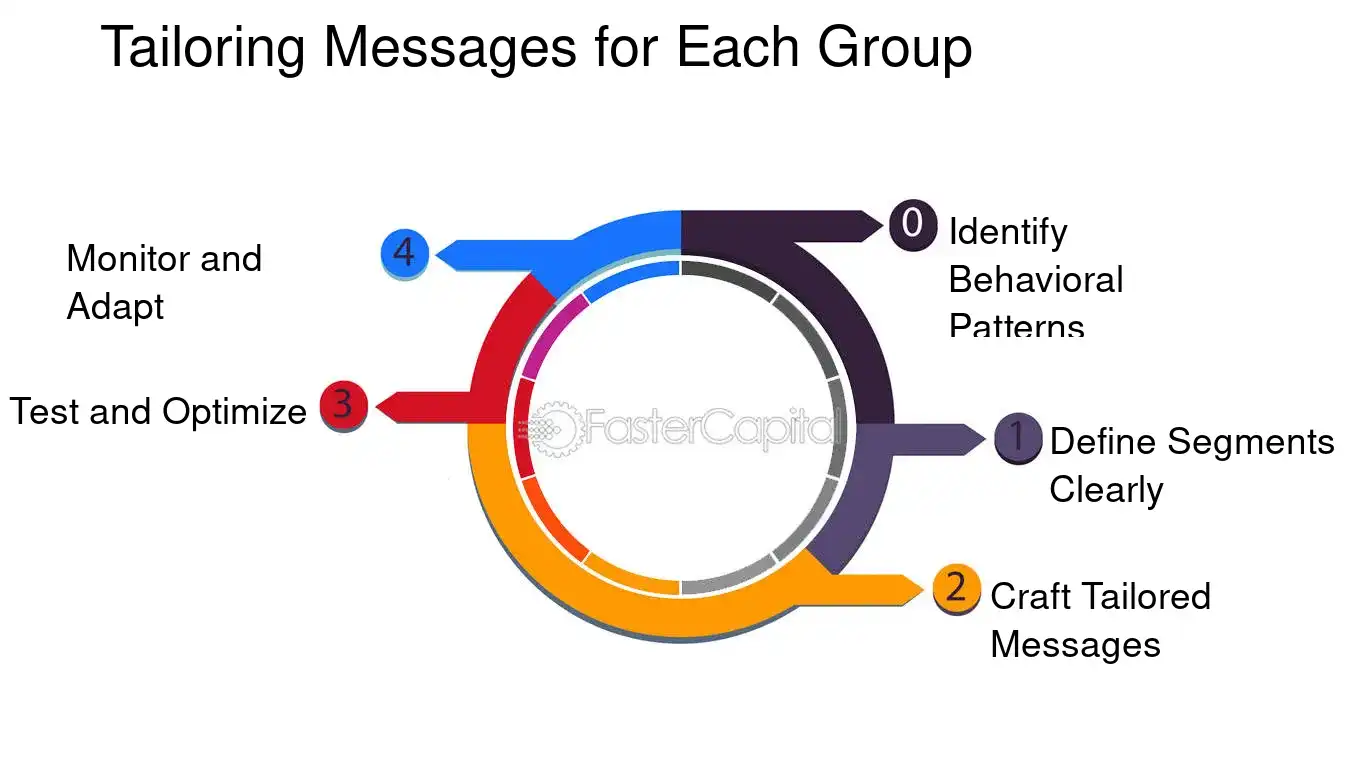
1. Identify Behavioral Patterns: Start by analyzing data to identify common behaviors within your audience. For example, an e-commerce store might find that certain customers frequently purchase eco-friendly products. This behavior indicates a segment that is likely to be responsive to sustainability-related messaging.
2. Define Segments Clearly: Each segment should have a clear definition. For the eco-conscious shoppers, criteria might include the types of products purchased, the frequency of purchases, and the average spend on eco-friendly items.
3. Craft Tailored Messages: Develop messages that align with the interests and behaviors of each segment. Continuing with the eco-friendly theme, messages could focus on the environmental impact of products, sustainability initiatives of the brand, or tips for living a greener lifestyle.
4. Test and Optimize: Use A/B testing to refine your messages. You might test two different subject lines for an email campaign to see which resonates more with the eco-conscious segment.
5. Monitor and Adapt: consumer behavior changes over time, so it's important to regularly review and adjust your segments and messages. Perhaps a new trend in sustainability emerges, and your messaging needs to reflect that to stay relevant.
By implementing these strategies, businesses can ensure that their messages are not only heard but also acted upon, leading to increased loyalty and conversion rates. The key is to remain flexible and responsive to the ever-changing landscape of consumer behavior.
Tailoring Messages for Each Group - Audience targeting: Behavioral Segmentation: Unlocking the Power of Behavioral Segmentation for Precision Audience Targeting
6. Successful Behavioral Segmentation Campaigns
Behavioral segmentation has emerged as a cornerstone strategy in marketing, allowing businesses to tailor their outreach and offerings to specific customer groups based on their actions and preferences. This approach goes beyond traditional demographic targeting by analyzing patterns in consumer behavior, such as purchase history, product usage, and online activity, to create more personalized and effective marketing campaigns. By understanding the nuances of how different customer segments interact with their products and services, companies can craft messages that resonate on a deeper level, leading to increased engagement, loyalty, and ultimately, revenue.
From the perspective of a small business owner, behavioral segmentation can be a game-changer. For instance, a local bookstore might notice that a segment of customers frequently attends book signings and author events. By targeting this group with personalized emails about upcoming events, the bookstore can increase attendance and sales. On the other hand, a large e-commerce platform might use behavioral data to identify customers who frequently abandon their shopping carts. By sending targeted reminders or offering special discounts to this group, the platform can significantly reduce cart abandonment rates.
Here are some in-depth case studies that showcase the successful application of behavioral segmentation:
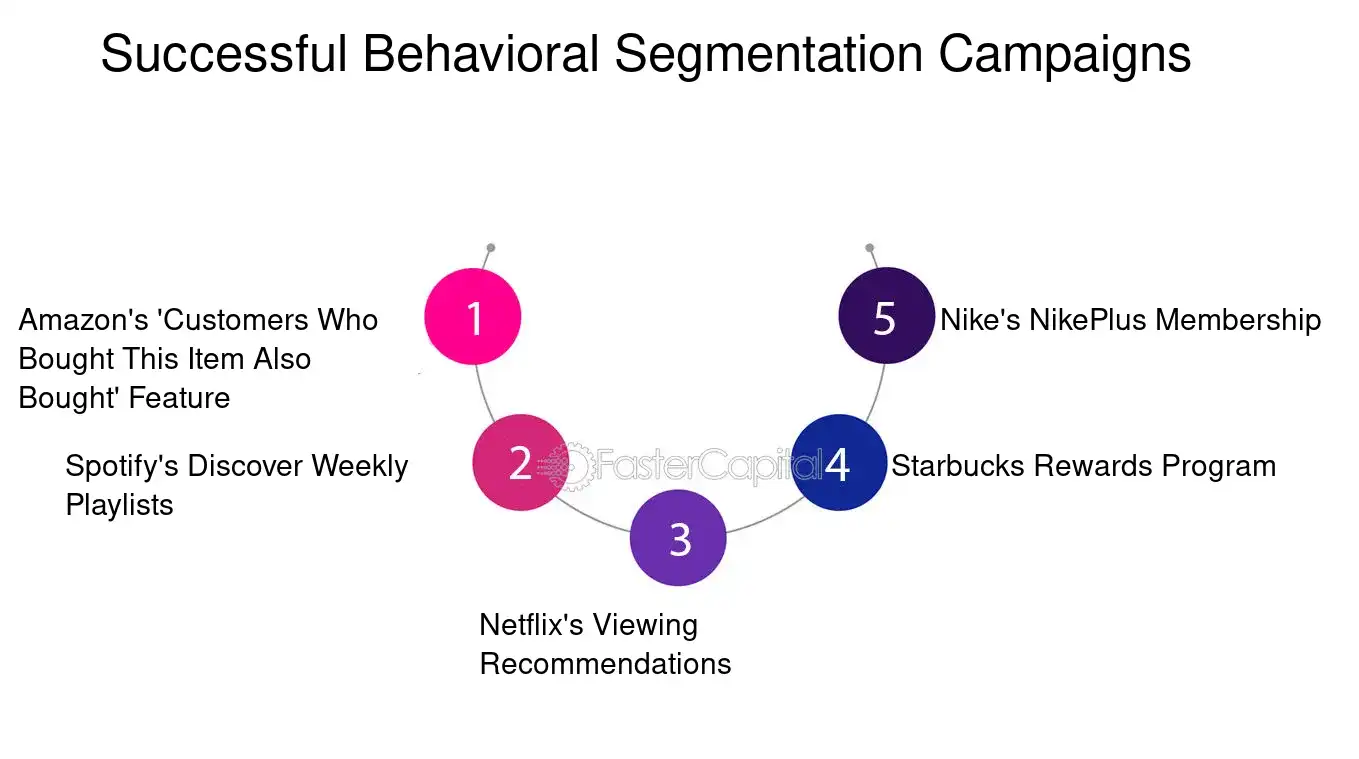
1. Amazon's 'Customers Who Bought This Item Also Bought' Feature:
Amazon's recommendation engine is a prime example of behavioral segmentation at work. By analyzing past purchase data and browsing history, Amazon suggests products that customers might be interested in, leading to increased cross-selling and upselling opportunities.
2. Spotify's Discover Weekly Playlists:
Spotify uses listening habits to create personalized playlists for its users. This not only enhances user experience by introducing them to new music they are likely to enjoy but also encourages continued engagement with the platform.
3. Netflix's Viewing Recommendations:
Netflix's sophisticated algorithms analyze viewing patterns to recommend shows and movies. This keeps users engaged and reduces the likelihood of subscription cancellations due to a lack of interesting content.
4. Starbucks Rewards Program:
Starbucks tailors its rewards program based on individual purchase behavior. By offering personalized incentives, they encourage repeat visits and increase customer lifetime value.
5. Nike's NikePlus Membership:
NikePlus members receive personalized training plans and product recommendations based on their workout data and purchase history. This fosters a sense of community and brand loyalty.
Each of these examples highlights the power of behavioral segmentation in creating more meaningful connections with customers. By leveraging data to understand and predict customer behavior, businesses can not only meet but exceed customer expectations, driving growth and success in today's competitive marketplace.
Successful Behavioral Segmentation Campaigns - Audience targeting: Behavioral Segmentation: Unlocking the Power of Behavioral Segmentation for Precision Audience Targeting
7. Integrating Behavioral Segmentation with Other Marketing Techniques
Integrating behavioral segmentation into a broader marketing strategy can significantly enhance the precision and effectiveness of audience targeting. This approach delves into the patterns of consumer behavior, such as purchase history, product usage, and online activity, to identify distinct customer segments. By understanding these behaviors, marketers can tailor their messaging and offers to resonate deeply with each segment's preferences and needs. The synergy between behavioral segmentation and other marketing techniques creates a dynamic framework that not only attracts customers but also fosters loyalty and increases lifetime value.
From the perspective of content marketing, behavioral segmentation allows for the creation of highly relevant and engaging content. For instance, a segment identified as "frequent online shoppers" might respond well to content that highlights the convenience and benefits of a new e-commerce feature. Similarly, email marketing campaigns can be fine-tuned using behavioral data to send personalized offers at the optimal time, increasing the likelihood of conversion.
Here are some in-depth insights on integrating behavioral segmentation with other marketing techniques:
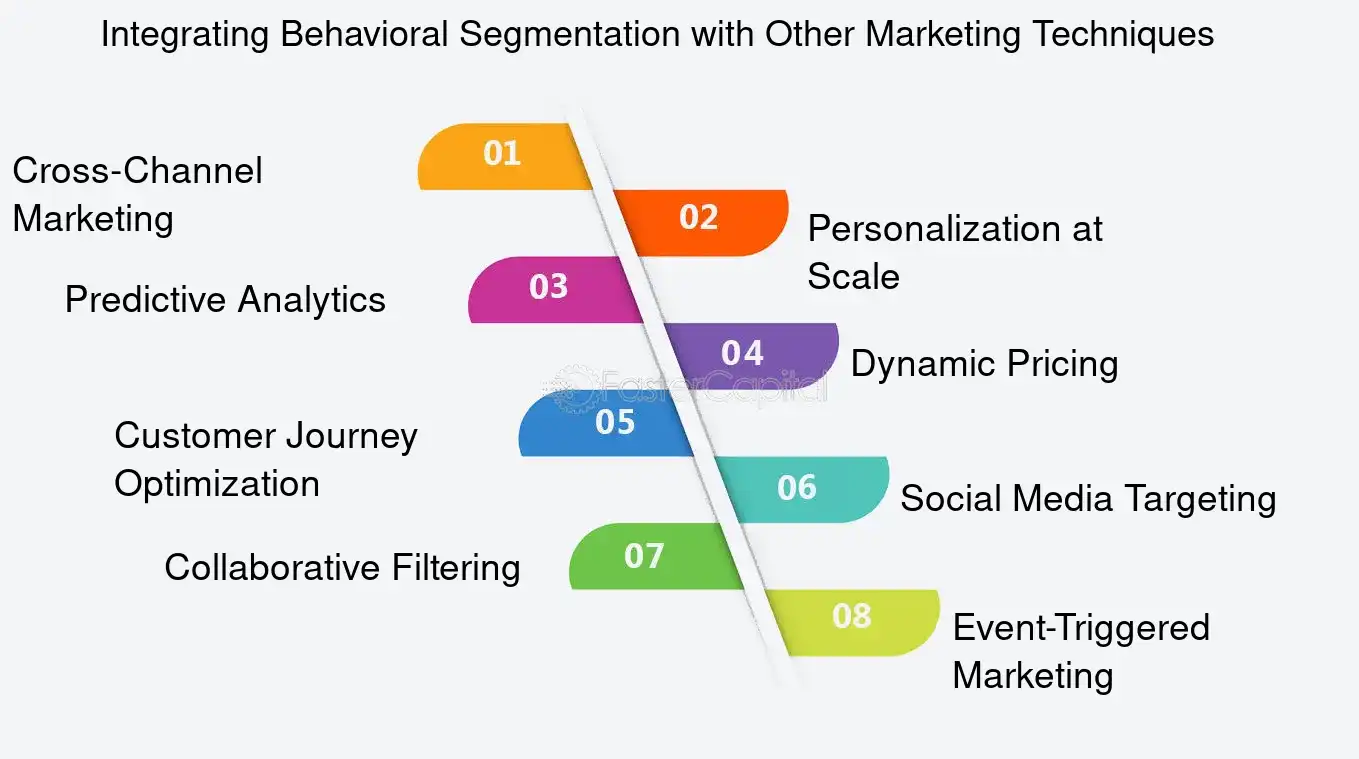
1. cross-Channel marketing: Behavioral segmentation provides valuable insights that can be leveraged across various channels. For example, if data shows that a segment often researches products on mobile devices but makes purchases on desktops, a cross-channel strategy can be developed to engage users on both platforms seamlessly.
2. Personalization at Scale: advanced data analytics enable marketers to personalize experiences for large segments simultaneously. A beauty brand could use purchase behavior to recommend products specifically suited to each customer's skin type or makeup preferences.
3. Predictive Analytics: By analyzing past behaviors, marketers can predict future actions and preferences. This allows for proactive campaign adjustments, such as a fitness app offering personalized workout plans just before the New Year when users are more likely to set health goals.
4. Dynamic Pricing: E-commerce platforms can use behavioral data to implement dynamic pricing strategies. Customers who frequently browse but seldom purchase may be enticed with special discounts, while loyal customers might be offered exclusive deals to reinforce their loyalty.
5. customer Journey optimization: understanding the behavioral patterns helps in mapping out the customer journey more accurately. Marketers can identify key touchpoints and optimize them for better engagement. For example, if data shows that customers often abandon carts, targeted follow-up emails can be sent to encourage completion of the purchase.
6. Social Media Targeting: Behavioral segmentation can enhance social media advertising by targeting ads based on users' interactions with similar content. A travel agency might target users who have shown interest in travel-related posts with ads for upcoming travel deals.
7. Collaborative Filtering: Often used in recommendation systems, this technique suggests products or content by matching user behavior with others who have similar patterns. Streaming services like Netflix use this to recommend shows and movies.
8. event-Triggered marketing: Certain behaviors can trigger specific marketing actions. For example, if a user views a product several times without purchasing, they could be sent a reminder or a limited-time offer to encourage a transaction.
By weaving behavioral segmentation with these diverse marketing techniques, businesses can create a cohesive strategy that resonates on a personal level with their audience. The key is to maintain a balance between personalization and privacy, ensuring that customers feel understood, not surveilled. With the right approach, behavioral segmentation becomes a powerful tool in the marketer's arsenal, driving both customer satisfaction and business growth.
Integrating Behavioral Segmentation with Other Marketing Techniques - Audience targeting: Behavioral Segmentation: Unlocking the Power of Behavioral Segmentation for Precision Audience Targeting
8. Challenges and Solutions in Behavioral Segmentation
Behavioral segmentation is a powerful tool in the marketer's arsenal, allowing for a nuanced understanding of consumer behavior patterns and the tailoring of marketing strategies to fit distinct customer profiles. However, this approach is not without its challenges. The dynamic nature of consumer behavior, privacy concerns, and the sheer volume of data required for accurate segmentation are just a few of the hurdles that marketers face. Moreover, the interpretation of behavioral data can be complex, requiring sophisticated analysis to translate actions into insights. Despite these challenges, there are solutions that can help marketers effectively leverage behavioral segmentation.
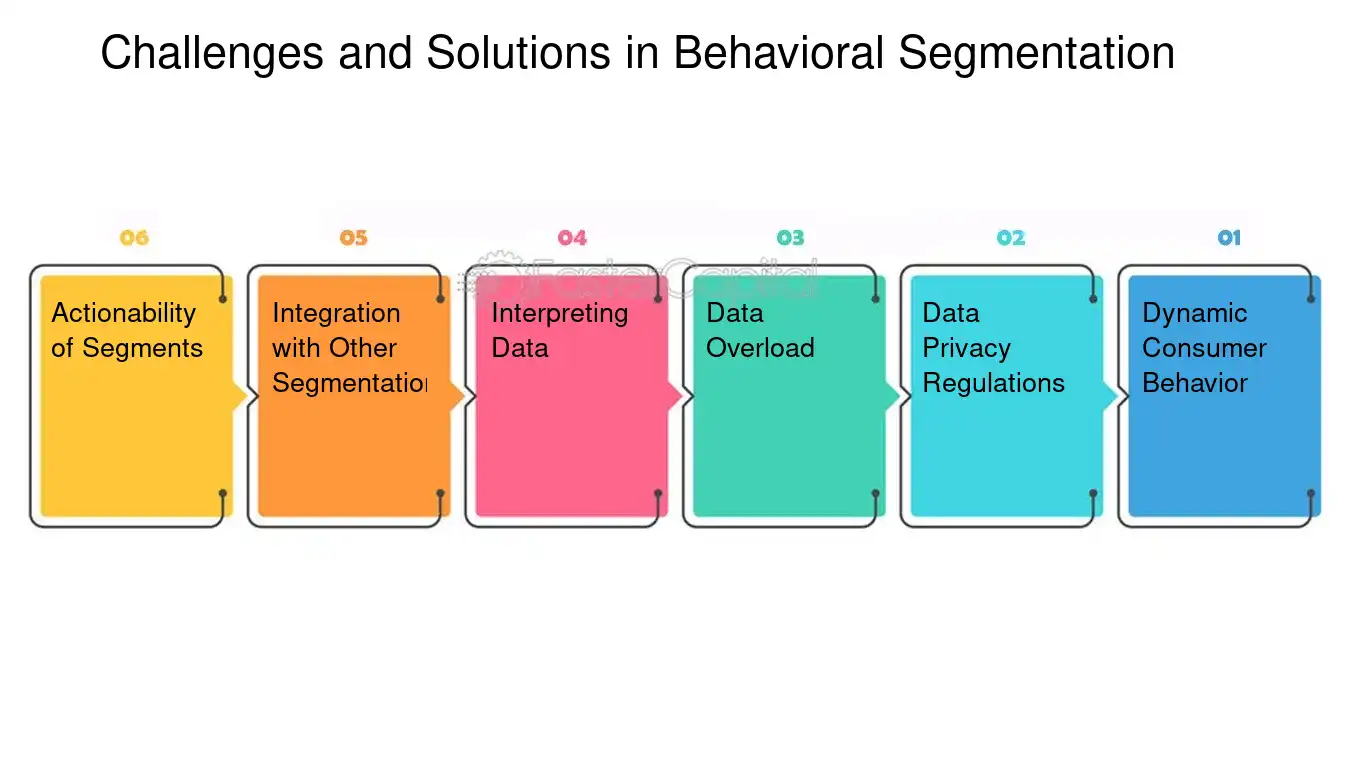
1. Dynamic Consumer Behavior: Consumers are not static; their preferences and behaviors change over time. To address this, marketers can implement continuous tracking and adaptive models that update segmentation in real-time, ensuring that marketing efforts remain relevant.
2. data Privacy regulations: With regulations like GDPR and CCPA, there's a heightened focus on consumer privacy. Marketers can use privacy-compliant data collection methods and ensure transparency with users about how their data is used, building trust and maintaining legal compliance.
3. Data Overload: The volume of data available can be overwhelming. Solutions include employing data management platforms (DMPs) that can process and organize large datasets, and using AI-driven analytics to identify meaningful patterns.
4. Interpreting Data: Understanding what the data signifies can be as challenging as collecting it. Utilizing predictive analytics and customer journey mapping tools can help marketers draw actionable insights from behavior patterns.
5. Integration with Other Segmentation Methods: Behavioral data is most powerful when combined with demographic, psychographic, and geographic segmentation. Integrated marketing platforms can help marketers synthesize data from multiple sources for a holistic view of the customer.
6. Actionability of Segments: Creating segments is one thing, but acting on them is another. Marketers should establish clear strategies for each segment, often through A/B testing and personalized marketing campaigns.
For example, a streaming service may notice a segment of users who binge-watch sci-fi series late at night. Recognizing this pattern, they could create personalized recommendations and targeted ads for new sci-fi content, scheduled during late-night hours, thus increasing engagement and satisfaction.
While behavioral segmentation presents several challenges, the solutions lie in the strategic use of technology, adherence to privacy standards, and the intelligent interpretation of data. By overcoming these obstacles, marketers can unlock the full potential of behavioral segmentation for precision audience targeting.
Challenges and Solutions in Behavioral Segmentation - Audience targeting: Behavioral Segmentation: Unlocking the Power of Behavioral Segmentation for Precision Audience Targeting
9. Predictions and Innovations
As we delve into the future of audience targeting, we stand on the cusp of a revolution in how businesses connect with their consumers. The convergence of data analytics, artificial intelligence, and behavioral science is paving the way for unprecedented precision in audience segmentation. This evolution is not just about leveraging technology but also about understanding the dynamic nature of consumer behavior. The insights gleaned from behavioral segmentation today are the building blocks for the predictive models of tomorrow. These models will not only anticipate consumer needs but also shape the very experiences that fulfill them.
From the perspective of data scientists, marketers, and consumers, the trajectory of audience targeting is clear: it's becoming more personalized, predictive, and privacy-conscious. Here's an in-depth look at what this future entails:
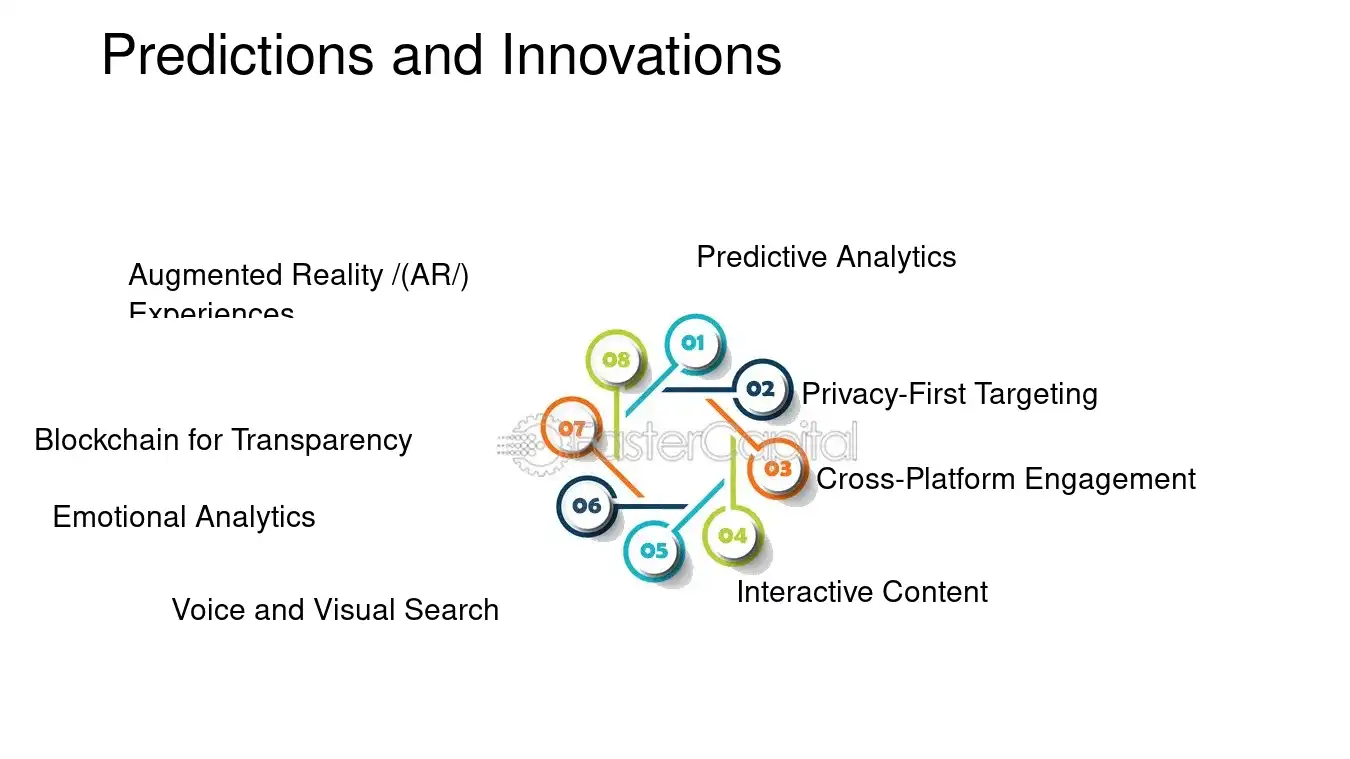
1. Predictive Analytics: The integration of machine learning algorithms with audience targeting tools will enable marketers to predict consumer behavior with greater accuracy. For example, a streaming service could use viewing habits to predict which genres or titles a user is likely to enjoy next, leading to more effective recommendations.
2. Privacy-First Targeting: With increasing regulations like GDPR and CCPA, the future of audience targeting will prioritize consumer privacy. This means developing new methods of data collection and segmentation that do not rely on personal identifiers. An example of this is the use of 'cohorts' based on behavior rather than individual tracking.
3. cross-Platform engagement: As consumers engage with content across multiple devices, audience targeting will evolve to create seamless experiences. For instance, a user searching for running shoes on a mobile device might later see related content on their smartwatch during a workout.
4. interactive content: The rise of interactive content offers a goldmine of behavioral data. Brands could use interactive ads or apps that engage users in decision-making processes, providing insights into their preferences and decision-making styles.
5. Voice and Visual Search: The proliferation of voice assistants and visual search technology will open new avenues for audience targeting. Brands will need to optimize content for these platforms, understanding the nuances of how people search using voice or images.
6. Emotional Analytics: Advancements in AI will enable the analysis of emotional responses to marketing stimuli. This could involve sentiment analysis of social media reactions or biometric feedback from wearable devices, allowing for more empathetic and effective targeting.
7. Blockchain for Transparency: Blockchain technology could be employed to create transparent and secure data ecosystems for audience targeting. This would give consumers more control over their data while providing marketers with verified behavioral insights.
8. Augmented Reality (AR) Experiences: AR technology will allow brands to offer immersive experiences that can be personalized based on user behavior. For example, a furniture brand could use AR to show how a piece of furniture would look in a user's home, tailored to their past browsing history and preferences.
The future of audience targeting is not just about reaching the right people but about creating meaningful and engaging experiences that resonate on a personal level. The innovations on the horizon promise to make audience targeting more effective, ethical, and exciting for everyone involved.
Predictions and Innovations - Audience targeting: Behavioral Segmentation: Unlocking the Power of Behavioral Segmentation for Precision Audience Targeting