1. Introduction to User-Centric Design in Crypto Products
2. Understanding the Crypto Users Journey
3. The Role of Empathy in Designing Crypto Products
4. Prototyping and User Feedback
5. Design Thinking Approach in Crypto Startups
6. Successful User-Centric Crypto Products
7. Common Pitfalls in Crypto Product Design and How to Avoid Them
Crypto startup product development: The Importance of User Centric Design in Crypto Startup Product Development
1. Introduction to User-Centric Design in Crypto Products
user-centric design is a foundational element in the development of any product, but it takes on heightened significance in the realm of crypto products. The crypto industry, with its complex technologies and novel concepts, presents a unique challenge in creating products that are not only secure and functional but also accessible and engaging for the end user. A user-centric approach in crypto product development involves a deep understanding of the target audience's needs, behaviors, and pain points. It requires the product team to empathize with users, often necessitating a shift from a technology-first mindset to a user-first philosophy.
In the context of crypto products, user-centric design transcends the traditional boundaries of user experience (UX) and user interface (UI) design. It encompasses a broader spectrum of considerations, including user education, trust-building, and the mitigation of the steep learning curve associated with blockchain technologies. From wallets and exchanges to decentralized applications (dApps), every touchpoint must be crafted with the user in mind.
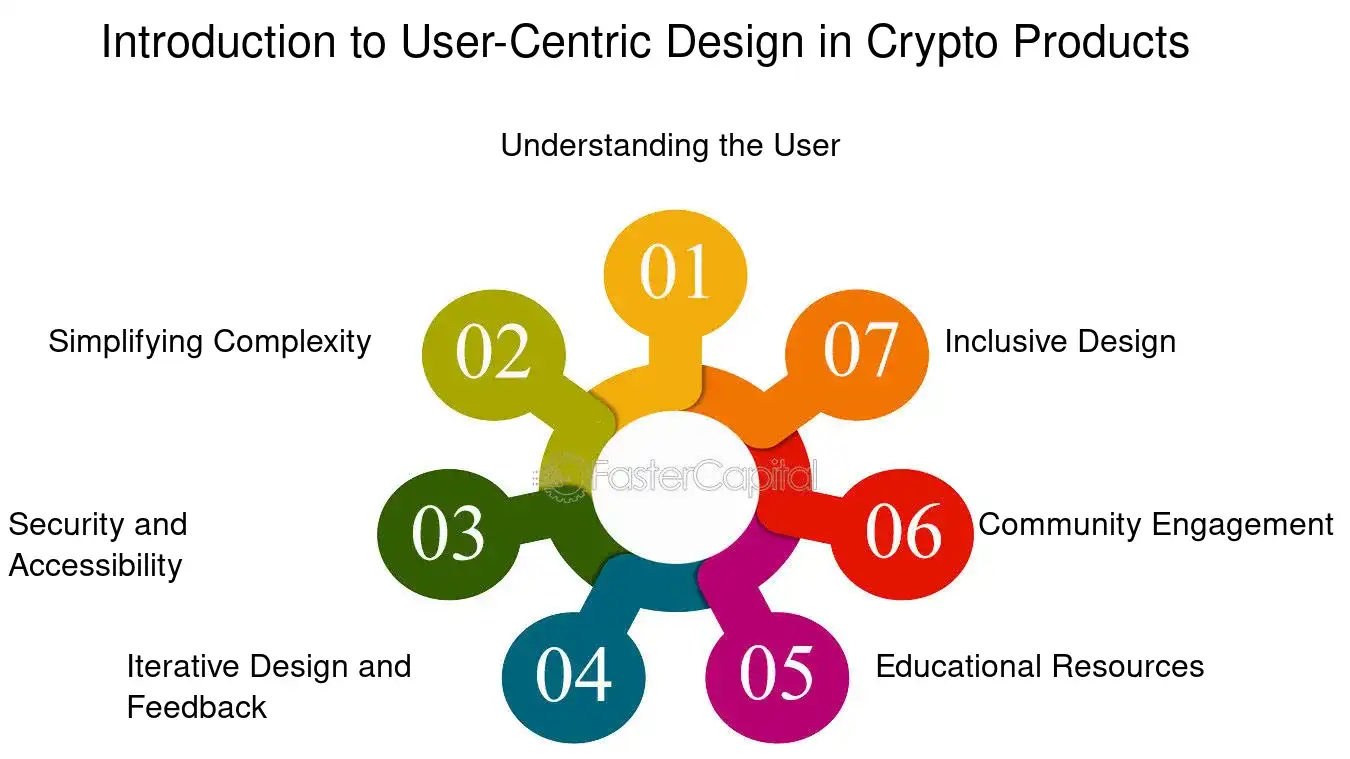
1. Understanding the User: The first step in user-centric design is to gain a comprehensive understanding of the user's world. For crypto products, this means recognizing the diversity within the user base, which ranges from crypto novices to seasoned traders. For instance, a wallet service like MetaMask caters to both beginners and advanced users by providing a simple interface for basic transactions, while also offering advanced options for those who wish to engage with smart contracts or adjust gas fees.
2. Simplifying Complexity: Crypto products must simplify the inherent complexity of blockchain technology. An example of this is the exchange Coinbase, which offers a clean and straightforward platform for buying and selling cryptocurrencies, making the process as simple as ordering a product online.
3. Security and Accessibility: balancing security with accessibility is crucial. Products like Ledger Nano S, a hardware wallet, provide robust security measures without overwhelming the user. Its design includes clear instructions and a user-friendly interface, ensuring that even users with minimal technical knowledge can safely store their assets.
4. Iterative Design and Feedback: Implementing an iterative design process that incorporates user feedback is vital. Uniswap, a decentralized exchange, frequently updates its platform based on community input, ensuring that it remains aligned with user needs and preferences.
5. Educational Resources: Providing educational resources can empower users and enhance their experience. Binance Academy is a prime example, offering a wealth of information that helps users understand complex topics, from the basics of blockchain to the intricacies of various trading strategies.
6. Community Engagement: Engaging with the community can provide invaluable insights into user needs. Projects like Ethereum have thrived by fostering a strong community that contributes to the platform's development and helps new users navigate the ecosystem.
7. Inclusive Design: Ensuring that products are inclusive and cater to a global audience is essential. This includes offering multilingual support and considering cultural nuances, as seen with Huobi Global, which provides a tailored experience for users worldwide.
By integrating these principles into the development process, crypto startups can create products that not only meet the technical requirements of the blockchain space but also deliver a satisfying and intuitive user experience. This user-centric approach is not just a design philosophy; it's a strategic imperative that can differentiate a product in the competitive crypto market and drive its success.
Introduction to User Centric Design in Crypto Products - Crypto startup product development: The Importance of User Centric Design in Crypto Startup Product Development
2. Understanding the Crypto Users Journey
In the dynamic world of cryptocurrency, understanding the user's journey is pivotal for the success of any crypto startup. This journey is not linear; it's a complex web of interactions, experiences, and emotions that users navigate as they engage with crypto products. From the moment a potential user becomes aware of a cryptocurrency or platform, to the point where they become a regular user, each step is critical. The journey often begins with curiosity or the lure of investment returns, but it's the user experience that determines whether they stay for the long haul.
To truly grasp the crypto user's journey, we must delve into the various stages and perspectives that shape their experience:
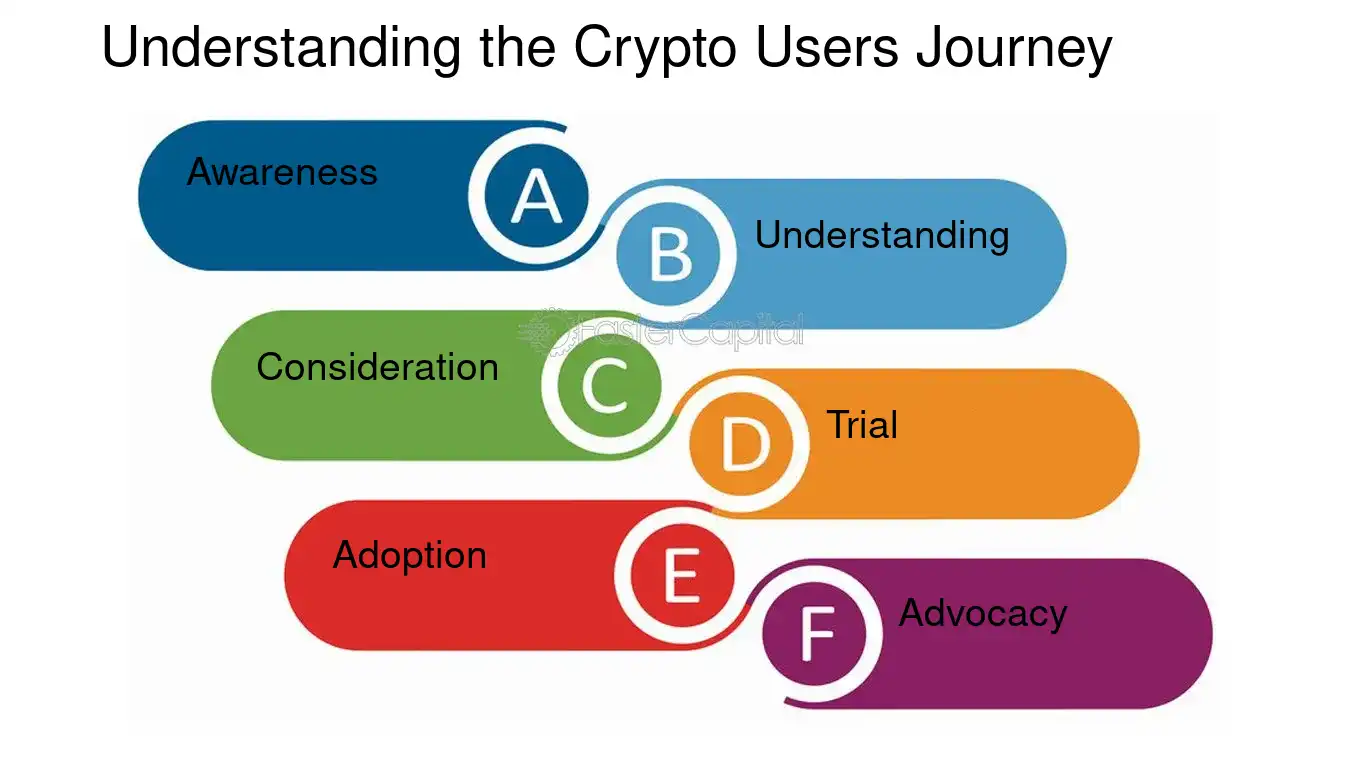
1. Awareness: The first encounter a user has with a cryptocurrency or platform can come from various sources such as social media, word of mouth, or news outlets. For example, someone might hear about Bitcoin's surging value and become intrigued.
2. Understanding: Once aware, users seek to understand how cryptocurrencies work. This stage is fraught with technical jargon which can be intimidating. Simplifying concepts like blockchain and decentralization is key. Consider how Coinbase offers a user-friendly interface and educational resources to demystify crypto for newcomers.
3. Consideration: At this point, users evaluate if crypto aligns with their financial goals. They might compare different currencies or platforms. A user might ponder whether to invest in Ethereum due to its smart contract capabilities or stick with the more established Bitcoin.
4. Trial: Users may start with small transactions to test the waters. Crypto wallets and exchanges that offer a seamless onboarding process, like Binance with its quick verification system, tend to win over users during this stage.
5. Adoption: If the trial goes well, users begin to integrate crypto into their financial practices. They might start regular trading or use crypto for purchases. Platforms that offer additional services, like lending or staking, can deepen user engagement. For instance, a user might choose to stake their Ether on the Ethereum 2.0 network for rewards.
6. Advocacy: The final stage is when users become champions of the product, recommending it to others. This often happens when they've had consistently positive experiences. A user might share their success story of earning substantial returns through DeFi protocols, influencing others to join in.
Throughout these stages, the design and functionality of the crypto product play a crucial role. A user-centric approach ensures that at every touchpoint, the user feels supported, informed, and confident in their decisions. By prioritizing the user's journey, crypto startups can not only attract but retain a loyal user base in this competitive market. <|\im_end|> Assistant has stopped speaking, and hands back control to the User.
Understanding the Crypto Users Journey - Crypto startup product development: The Importance of User Centric Design in Crypto Startup Product Development
3. The Role of Empathy in Designing Crypto Products
Empathy is a cornerstone of user-centric design, serving as the bridge that connects product developers with the users they aim to serve. In the realm of crypto products, where the technology is complex and the user base is incredibly diverse, empathy is not just a nice-to-have, but a fundamental necessity. It allows designers and developers to step into the shoes of their users, understand their needs, concerns, and limitations, and create solutions that are not only technologically sound but also accessible and user-friendly. The crypto world is often seen as intimidating and inaccessible to the average person; therefore, empathy in design can play a pivotal role in demystifying blockchain technology and making it more approachable.
From the perspective of a crypto novice, the importance of empathy is evident in the need for clear, jargon-free communication. For instance, a wallet application that uses simple language to explain the process of securing a private key can make the difference between a user adopting or abandoning the technology.
On the other hand, an experienced trader might look for empathy in the form of advanced tools that acknowledge their expertise without overwhelming them with unnecessary complexity. A trading platform that offers customizable modules and alerts for market shifts demonstrates an understanding of their needs.
Here are some ways empathy manifests in the design of crypto products:
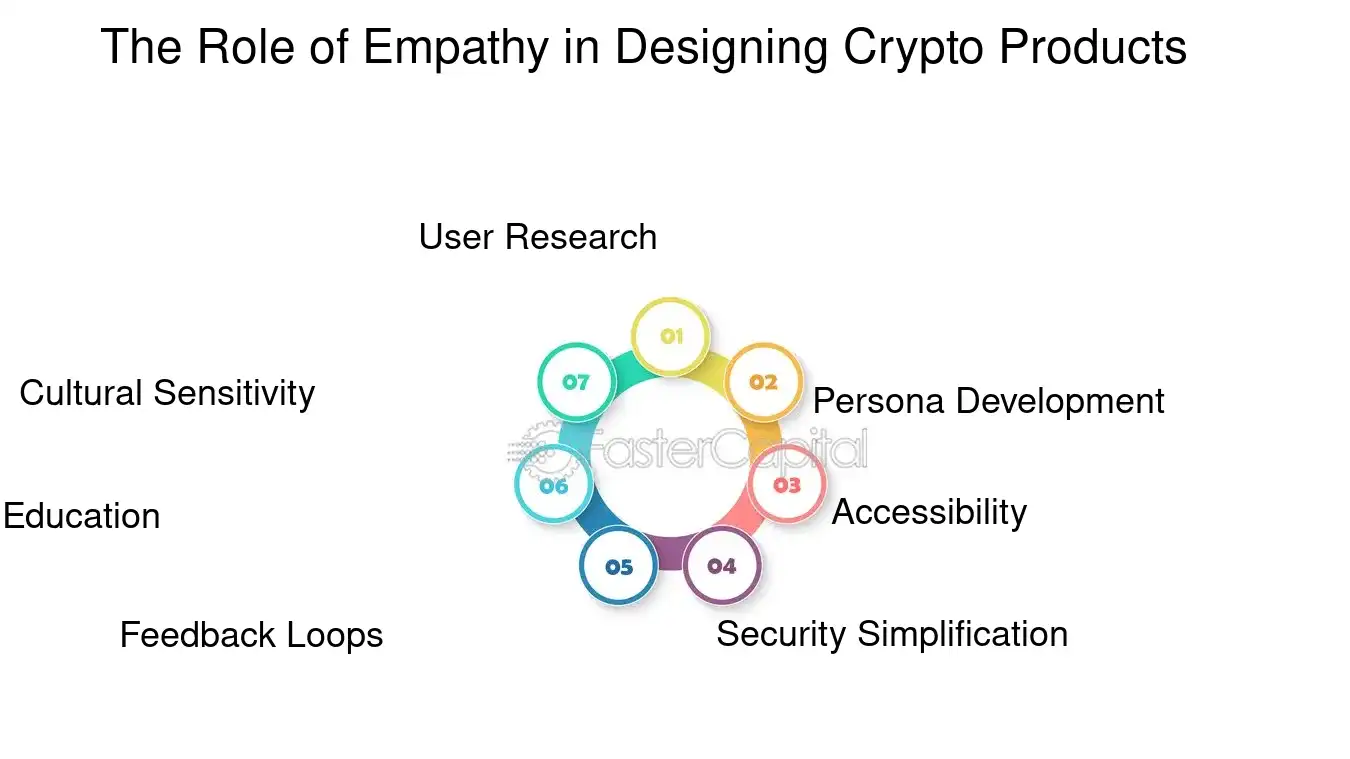
1. User Research: Conducting interviews, surveys, and usability tests to gather insights directly from the target audience.
2. Persona Development: Creating detailed user personas that represent different segments of the potential user base.
3. Accessibility: Ensuring that products are usable by people with disabilities, which can include features like screen reader compatibility and high-contrast modes.
4. Security Simplification: Designing security protocols that protect users without requiring them to understand the underlying technology.
5. Feedback Loops: Implementing systems for users to provide feedback and for developers to act on it, showing that user input is valued and considered.
6. Education: Providing resources and tutorials that help users understand not just how to use the product, but also the principles of blockchain and cryptocurrency.
7. Cultural Sensitivity: Recognizing and respecting the cultural differences in a global user base, which can influence design decisions like color schemes and imagery.
For example, consider a mobile crypto wallet designed with empathy. It might feature a setup wizard that guides users through the initial configuration with reassuring language and helpful tips. It could also include a "What's this?" feature that explains terms and concepts in layman's terms when tapped.
Another example is a decentralized exchange (DEX) that, recognizing the varying levels of user expertise, offers a basic mode for beginners and an advanced mode for experienced users. This shows an empathetic approach to design by acknowledging that one size does not fit all.
Empathy in designing crypto products is about creating an experience that feels personal and considerate of individual user needs. It's about building trust in a technology that is still new and often misunderstood. By prioritizing empathy, crypto startups can not only enhance user satisfaction but also foster a more inclusive and widespread adoption of crypto technologies.
The Role of Empathy in Designing Crypto Products - Crypto startup product development: The Importance of User Centric Design in Crypto Startup Product Development
4. Prototyping and User Feedback
In the fast-paced world of cryptocurrency startups, the design process is not a straight line but a cycle of continuous improvement. Iterative design stands at the heart of user-centric product development, emphasizing the need to prototype, test, and refine the product based on user feedback. This approach is particularly crucial in the crypto space where user trust and ease of use can make or break a product. By engaging in iterative design, startups can navigate the complex and often unpredictable landscape of user needs and preferences, ensuring that the final product is not only functional but also intuitive and user-friendly.
The iterative design process typically involves several key steps:
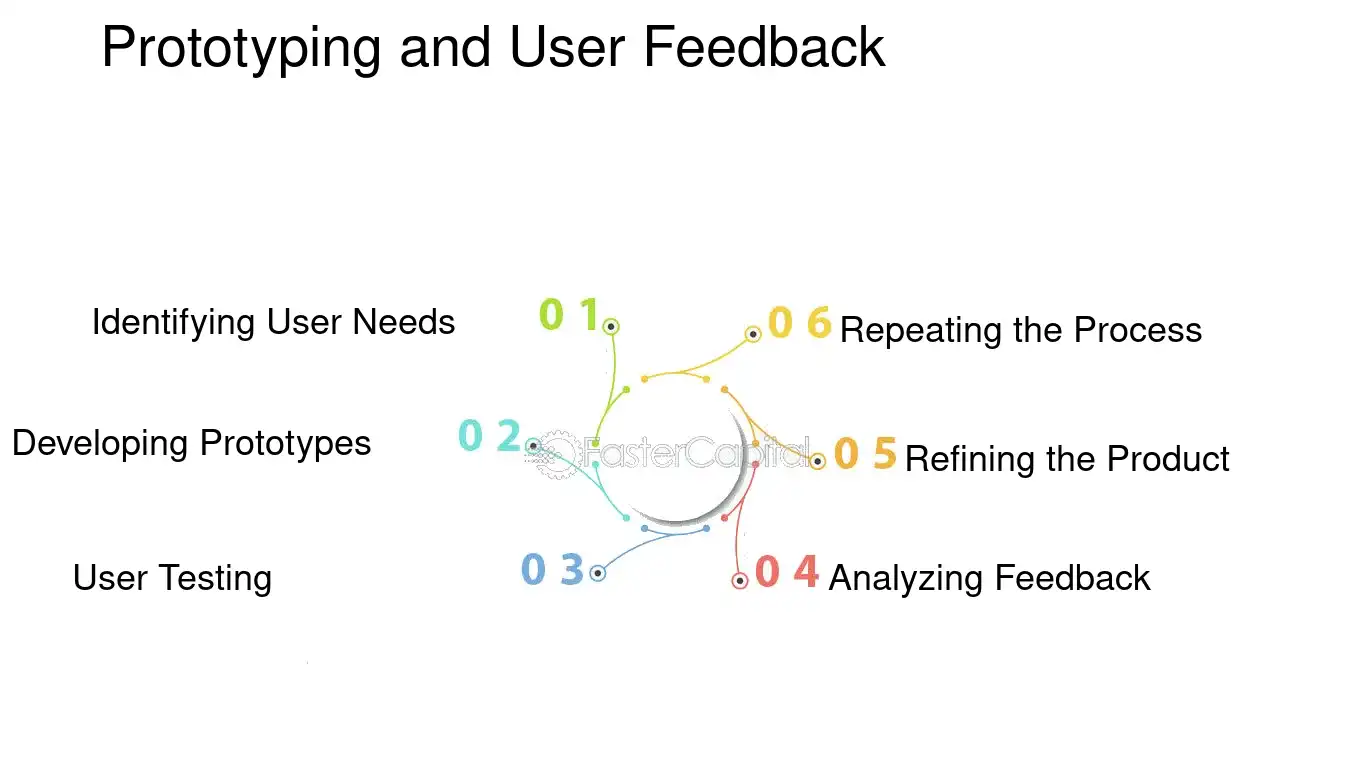
1. Identifying User Needs: understanding the target audience is the first step. For a crypto startup, this might involve conducting surveys or interviews with potential users to gather insights into their experiences with crypto products, their pain points, and their desires.
2. Developing Prototypes: Based on the user needs, the team develops a prototype. It could be as simple as wireframes or as complex as a working model. For example, a crypto wallet startup might create a basic prototype of the user interface to test navigation and transaction processes.
3. User Testing: The prototype is then tested with real users. This step is vital for gathering feedback on usability and functionality. A crypto exchange platform might invite beta testers to use their prototype and provide feedback on the trading experience.
4. Analyzing Feedback: The feedback from users is analyzed to identify trends and common issues. This might reveal, for instance, that users find certain security procedures confusing or that they desire more information about transaction fees.
5. Refining the Product: With the feedback in hand, the team makes changes to the design. This could involve tweaking the user interface, improving security features, or adding new functionalities that users have requested.
6. Repeating the Process: Iterative design is not a one-off process. The cycle of prototyping, testing, and refining continues until the product meets the users' needs and expectations.
A practical example of iterative design in action can be seen in the development of a decentralized finance (DeFi) application. Initially, the app might offer basic functionalities like swapping tokens. However, through iterative design and user feedback, the team might add features such as yield farming or staking, which users have expressed interest in.
By incorporating iterative design, crypto startups can ensure that their products are aligned with user needs, fostering a loyal user base and standing out in the competitive crypto market. This user-focused approach not only enhances the user experience but also contributes to the overall success and adoption of the product.
Prototyping and User Feedback - Crypto startup product development: The Importance of User Centric Design in Crypto Startup Product Development
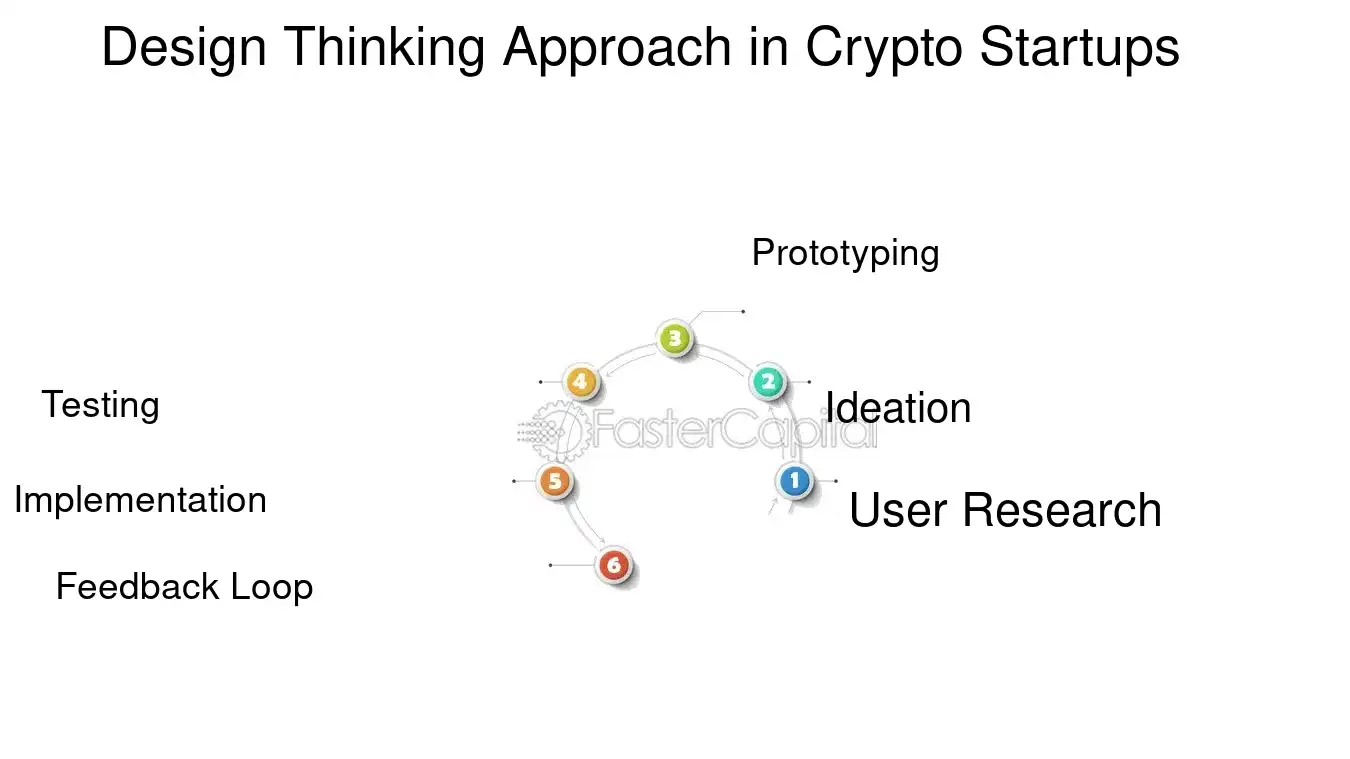
5. Design Thinking Approach in Crypto Startups
In the rapidly evolving world of cryptocurrency, startups are increasingly turning to design thinking as a way to innovate and stay ahead of the competition. This approach, which emphasizes empathy with users, a discipline of prototyping, and a tolerance for failure, is particularly well-suited to the crypto industry where user trust and experience are paramount. design thinking in crypto startups is not just about aesthetics; it's about creating products that resonate with users on a functional and emotional level.
From the perspective of a crypto entrepreneur, design thinking is a strategic tool. It helps to identify unmet needs within the target market and to create solutions that are not just technically sound but also deeply engaging for users. For a developer, it's a framework that encourages collaboration and iterative development, ensuring that the end product is both user-friendly and robust. Meanwhile, investors look at design thinking as a marker of a startup's maturity and its potential for long-term success.
Here are some key aspects of the design thinking approach in crypto startups:
1. User Research: Understanding the user's needs, behaviors, and frustrations is the first step. For example, a crypto wallet startup might conduct interviews and surveys to discover that users are looking for more than just security; they want ease of use and education about crypto investments.
2. Ideation: Generating a wide range of ideas is crucial. A crypto exchange might brainstorm different ways to simplify the trading process, leading to features like one-click trading or personalized alerts for price changes.
3. Prototyping: Creating quick and dirty prototypes allows for rapid testing of ideas. A startup focused on blockchain-based gaming might develop a basic playable version of their game to gather user feedback early in the development process.
4. Testing: Iterative testing with real users helps refine the product. For instance, a DeFi platform might release a beta version to a small group of users to identify bugs and usability issues before a full launch.
5. Implementation: Bringing the refined product to market requires careful planning and execution. A crypto payment gateway, for example, would ensure that their checkout process is not only secure but also integrates seamlessly with online stores.
6. Feedback Loop: Continuously collecting and acting on user feedback ensures the product evolves with the user's needs. A crypto tax software startup might regularly update its features based on the changing regulations and user suggestions.
By integrating design thinking into their core strategy, crypto startups can create products that are not only innovative but also deeply aligned with their users' needs. This user-centric approach can be the difference between a product that succeeds in a crowded market and one that fades into obscurity.
Design Thinking Approach in Crypto Startups - Crypto startup product development: The Importance of User Centric Design in Crypto Startup Product Development
6. Successful User-Centric Crypto Products
In the rapidly evolving world of cryptocurrency, the success of a product often hinges on its ability to resonate with its user base. This is particularly true in the crypto space, where the intersection of technology and finance creates a unique set of challenges and opportunities. User-centric design is not just about aesthetics; it's about creating a seamless and intuitive experience that empowers users to engage with the product confidently and effectively. By placing the user at the heart of the product development process, crypto startups can drive adoption, foster trust, and build a loyal community.
From the perspective of developers, a user-centric approach means prioritizing features that provide real value to the end-user, such as enhanced security measures or simplified transaction processes. For investors, it translates into products that offer transparency, robust performance, and a clear value proposition. Meanwhile, regulators look for compliance and the protection of consumer interests, which can be achieved through user-centric design by incorporating features like clear terms of service and accessible customer support.
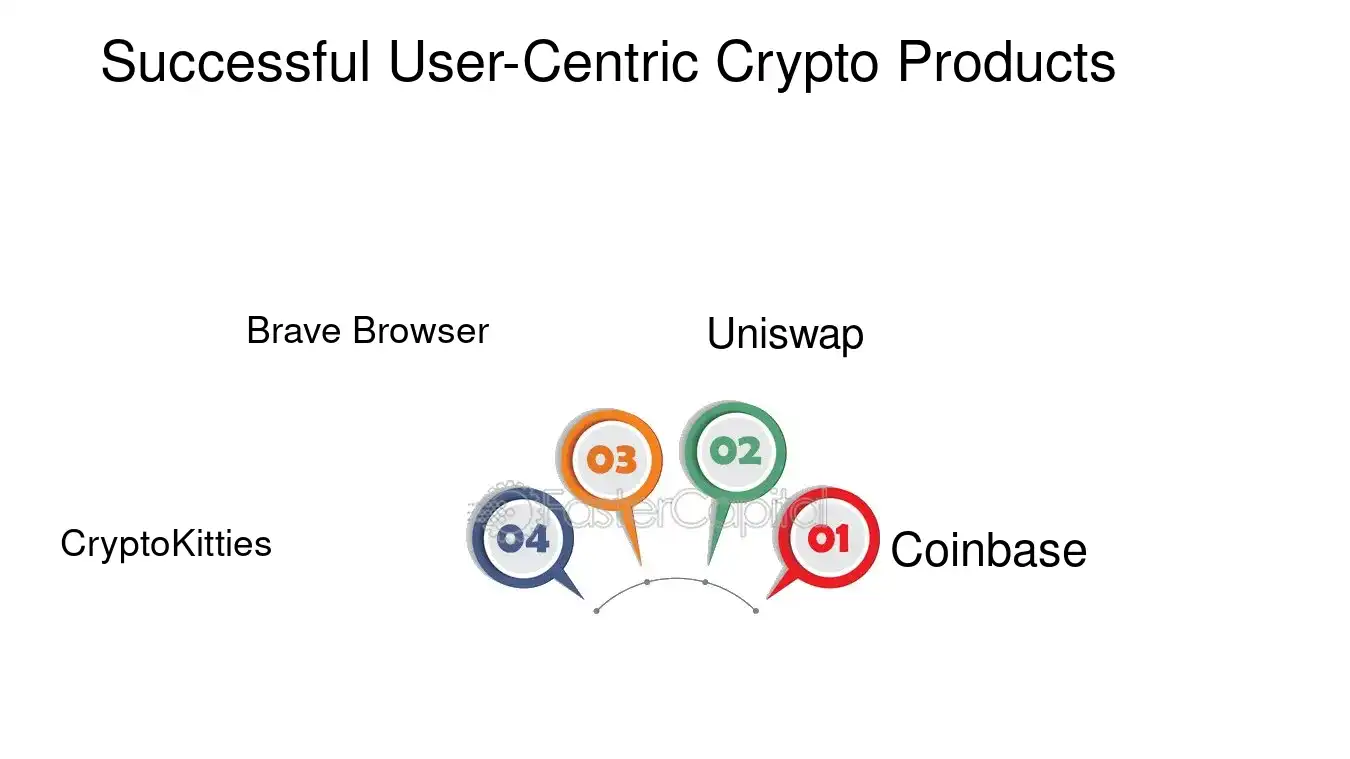
Here are some case studies that exemplify the successful implementation of user-centric design in crypto products:
1. Coinbase:
- User Experience (UX): Known for its clean interface and straightforward navigation, Coinbase has made buying and selling cryptocurrencies as simple as online shopping.
- Security: With features like two-factor authentication and insurance in the event of a breach, users feel secure in their transactions.
- Education: Coinbase provides a wealth of educational resources, helping users to make informed decisions.
2. Uniswap:
- Decentralization: By allowing users to swap tokens directly from their wallets without intermediaries, Uniswap empowers users with control over their funds.
- Liquidity Pools: Users can become liquidity providers, earning fees in the process, which incentivizes participation and investment.
3. Brave Browser:
- Privacy: Brave's focus on user privacy, with features like tracker blocking and private browsing, addresses a key user concern in the crypto community.
- Rewards: Users earn Basic Attention Tokens (BAT) for viewing ads, turning the traditional ad-viewing experience on its head.
4. CryptoKitties:
- Gamification: By gamifying the experience of collecting and breeding digital cats, CryptoKitties introduced blockchain to a broader, non-technical audience.
- Community Engagement: The platform's strong community engagement strategies have created a dedicated user base.
These examples highlight the importance of understanding the user's needs and preferences. A successful crypto product is one that not only solves a problem but does so in a way that is accessible, engaging, and rewarding for its users. As the crypto market matures, the startups that prioritize user-centric design are likely to be the ones that stand the test of time and volatility.
Successful User Centric Crypto Products - Crypto startup product development: The Importance of User Centric Design in Crypto Startup Product Development
7. Common Pitfalls in Crypto Product Design and How to Avoid Them
In the dynamic and often unpredictable world of cryptocurrency, product design plays a crucial role in determining a startup's success or failure. The intersection of technology, finance, and user experience presents unique challenges that, if not navigated carefully, can lead to common pitfalls that hinder a product's adoption and growth. Understanding these pitfalls from various perspectives – be it a developer, a trader, or an end-user – is crucial for creating a product that not only meets market needs but also delivers a seamless and intuitive user experience.
1. Ignoring User Experience (UX): A common mistake is designing a product with complex features that may be impressive on a technical level but are difficult for the average user to understand. For example, a crypto wallet with a complicated security setup process can deter non-technical users. To avoid this, involve UX designers early in the development process and conduct user testing frequently.
2. Overlooking Security Measures: Security is paramount in crypto products. A single vulnerability can lead to significant financial losses. The infamous DAO hack, where millions of dollars in Ethereum were stolen due to a smart contract vulnerability, serves as a stark reminder. Implementing rigorous security protocols and regular audits can mitigate such risks.
3. Neglecting Regulatory Compliance: The regulatory landscape for cryptocurrencies is still evolving, and non-compliance can lead to legal issues. For instance, failing to adhere to Know Your Customer (KYC) and Anti-Money Laundering (AML) regulations can result in hefty fines. staying informed about the latest regulations and designing products with compliance in mind is essential.
4. Underestimating the Importance of Scalability: As user base grows, a product must be able to handle increased traffic and transactions without performance issues. CryptoKitties, a blockchain-based game, famously clogged the Ethereum network due to its popularity. Planning for scalability from the outset can prevent such bottlenecks.
5. Failing to Educate Users: Cryptocurrency can be intimidating for newcomers. Products that don't provide educational resources can alienate potential users. By integrating tutorials, FAQs, and responsive customer support, startups can empower users to make informed decisions.
6. Lack of Community Engagement: The crypto community is a powerful resource for feedback and promotion. Ignoring this community can result in missed opportunities for improvement and growth. engaging with users on social media, forums, and through beta testing can provide valuable insights.
7. Inadequate Testing: Releasing a product without thorough testing can lead to bugs and errors that damage user trust. The DeFi platform Compound faced issues when a bug in an update allowed users to claim more rewards than they should have. Extensive testing and phased rollouts can prevent such incidents.
By addressing these pitfalls with a user-centric approach, crypto startups can design products that are not only innovative but also accessible, secure, and compliant, paving the way for wider adoption and success in the competitive crypto market.

Common Pitfalls in Crypto Product Design and How to Avoid Them - Crypto startup product development: The Importance of User Centric Design in Crypto Startup Product Development
8. Integrating User-Centric Design with Agile Methodology
In the fast-paced world of crypto startups, the integration of user-centric design within the agile methodology framework is not just beneficial; it's essential. Agile methodology, with its iterative approach and emphasis on adaptability, provides the perfect scaffold for incorporating user feedback into the product development cycle. However, it's the user-centric design that ensures this feedback is not only heard but also acted upon in a way that truly resonates with the end-user. This synergy between agile practices and user-centricity can lead to products that are not only technically sound but also deeply aligned with user needs and expectations.
From the perspective of a product manager, this integration means constantly balancing user desires with technical feasibility and business viability. For designers, it's about ensuring that user feedback is translated into design improvements that can be iteratively tested and refined. Developers, on the other hand, must be willing to adapt their code to accommodate these refinements, often at a rapid pace. Meanwhile, stakeholders need to understand the value of this approach in terms of long-term product success and user satisfaction.
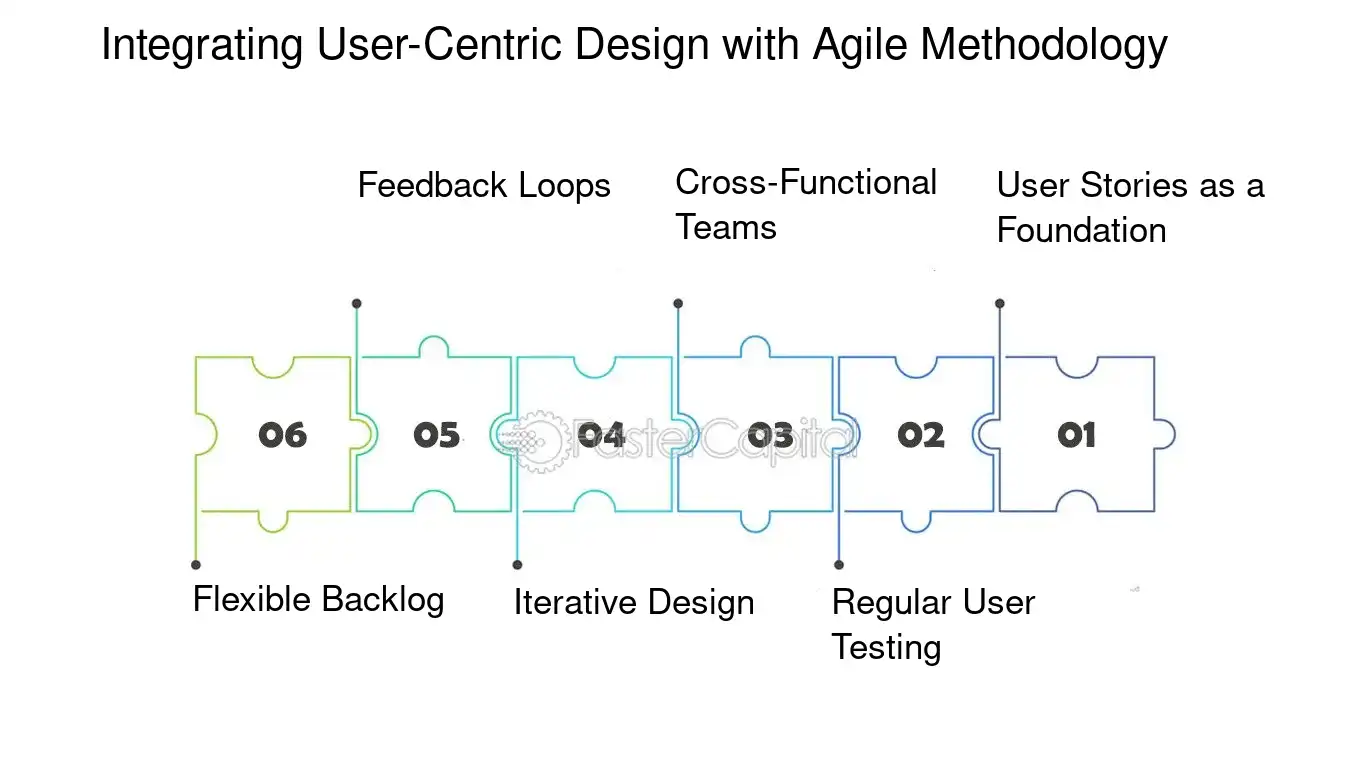
Here's an in-depth look at how user-centric design can be integrated with agile methodology:
1. User Stories as a Foundation: Begin each sprint by focusing on user stories that encapsulate the user's needs and experiences. This ensures that every feature developed is tied back to real user requirements.
2. Regular User Testing: Implement continuous user testing throughout the development cycle. This could involve A/B testing, usability studies, or beta releases to gather user feedback early and often.
3. cross-Functional teams: Encourage collaboration between designers, developers, and product managers to foster a shared understanding of the user's perspective.
4. Iterative Design: Adopt an iterative design process that allows for rapid prototyping and refinement based on user feedback.
5. Feedback Loops: Establish clear feedback loops where insights from user testing directly inform subsequent sprints and design decisions.
6. Flexible Backlog: Maintain a product backlog that is flexible enough to incorporate changes based on user feedback without derailing the overall development timeline.
For example, a crypto wallet app might initially focus on ensuring robust security features. However, through user testing, the team might discover that users also prioritize ease of use and a simple interface. The agile team can then iterate on the design, incorporating these insights into the next sprint, ultimately leading to a product that satisfies both the security and usability requirements of its users.
By weaving user-centric design principles into the fabric of agile development, crypto startups can create products that not only meet but exceed user expectations, fostering loyalty and driving adoption in a competitive market. This approach is not without its challenges, but the rewards of a truly user-focused product are well worth the effort.
Integrating User Centric Design with Agile Methodology - Crypto startup product development: The Importance of User Centric Design in Crypto Startup Product Development
9. The Future of Crypto Products and User Experience
As we look towards the horizon of cryptocurrency product development, it's clear that the future is both promising and fraught with challenges. The rapid evolution of blockchain technology and the proliferation of crypto assets have paved the way for innovative products that promise to revolutionize the way we interact with digital finance. However, the path forward is not without its obstacles. User experience (UX) has emerged as a critical factor in the adoption and success of crypto products. A user-centric approach to product design is no longer a luxury but a necessity, as it directly influences the ability of a product to meet market demands and user expectations.
From the perspective of crypto entrepreneurs, the focus is on creating products that are not only technologically advanced but also intuitive and accessible to the average user. They are tasked with demystifying complex blockchain concepts and presenting them in a user-friendly format. For developers, this means prioritizing clean, simple interfaces and seamless interactions that hide the underlying complexity of the crypto networks.
Investors and venture capitalists are looking for products that stand out in a crowded market. They are interested in platforms that offer unique value propositions, such as enhanced security features, innovative reward systems, or integration with existing financial services. The emphasis is on creating a compelling user journey that can convert casual users into loyal customers.
Regulators and policy makers are concerned with ensuring that crypto products adhere to legal standards and protect consumer interests. They advocate for transparent and fair UX practices that promote trust and compliance.
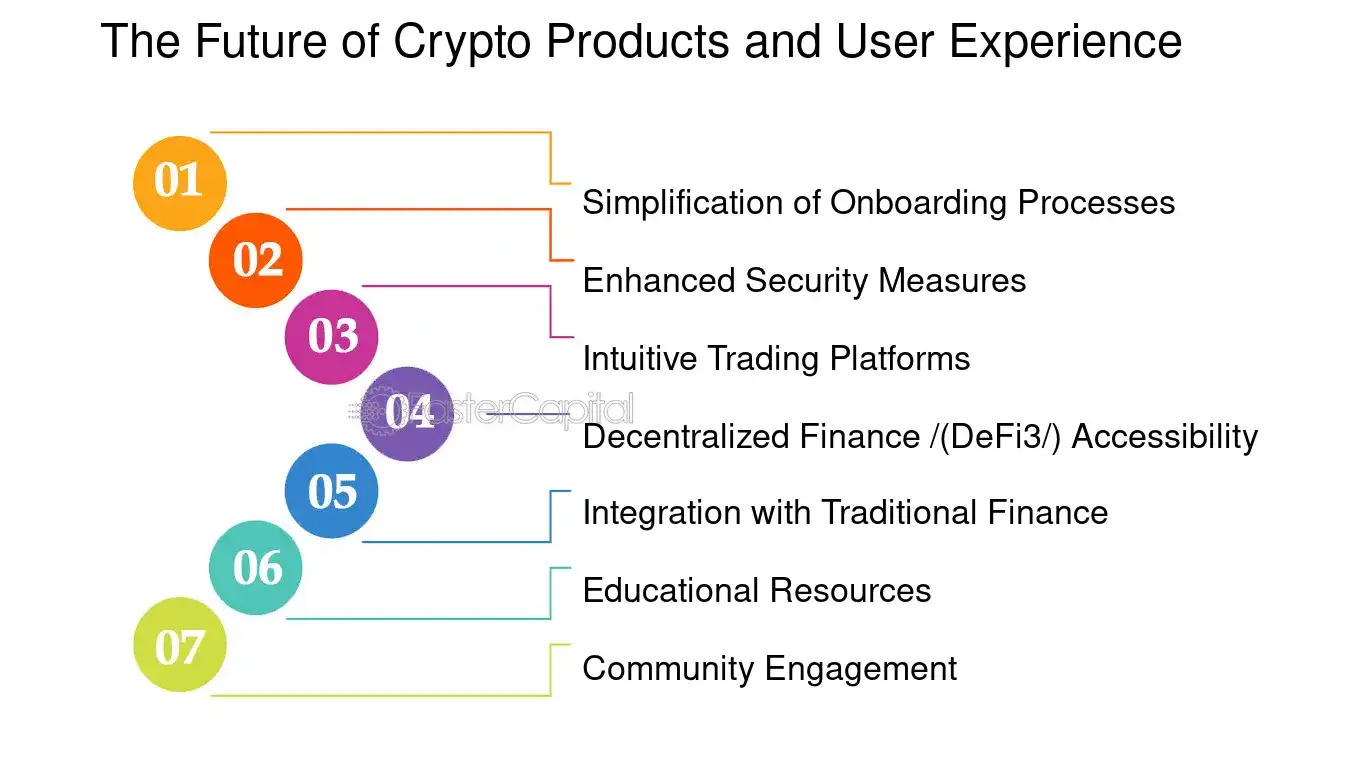
Here are some key areas where we can expect to see significant developments in the UX of crypto products:
1. Simplification of Onboarding Processes: The first interaction a user has with a crypto product sets the tone for their entire experience. Simplifying the onboarding process, including KYC (Know Your Customer) procedures, can greatly reduce entry barriers. For example, projects like Civic have leveraged blockchain to streamline identity verification, making it quicker and more secure.
2. Enhanced Security Measures: As crypto assets are highly coveted targets for theft and fraud, enhancing security without compromising UX is crucial. multi-factor authentication, biometric logins, and hardware wallets like Ledger are examples of security measures that can be integrated seamlessly into the user experience.
3. Intuitive trading platforms: Trading platforms are at the heart of the crypto ecosystem. Platforms like Binance and Coinbase have set the standard for user-friendly trading experiences, with clear dashboards, real-time data visualization, and easy-to-navigate interfaces.
4. Decentralized Finance (DeFi) Accessibility: DeFi products are notorious for their complexity. Projects like Uniswap and Compound are working towards more accessible interfaces that allow users to lend, borrow, or trade without needing to understand the intricate workings of smart contracts.
5. Integration with Traditional Finance: Bridging the gap between crypto and traditional finance is essential for mass adoption. Services like PayPal's crypto checkout enable users to make purchases with crypto, integrating digital assets into everyday transactions.
6. Educational Resources: Providing users with educational materials can help them make informed decisions and feel more comfortable using crypto products. CoinMarketCap's Alexandria platform serves as an online library for users to learn about different cryptocurrencies and blockchain technology.
7. Community Engagement: Building a community around a product can enhance the user experience by fostering a sense of belonging and providing peer support. Discord and Telegram channels have become popular platforms for crypto communities to gather and share information.
The future of crypto products hinges on the ability to deliver exceptional user experiences. By embracing a user-centric design philosophy, crypto startups can ensure that their products are not only technologically sound but also resonate with the needs and preferences of their users. The industry must continue to innovate and adapt, always with the end-user in mind, to realize the full potential of what crypto can offer to the world.
The Future of Crypto Products and User Experience - Crypto startup product development: The Importance of User Centric Design in Crypto Startup Product Development