1. Introduction to Customer Journey Mapping
2. The Role of Data in Understanding the Customer Journey
3. Segmentation and Personalization Strategies
4. Touchpoint Analysis for Enhanced Engagement
5. Leveraging Technology for Journey Optimization
6. Common Pitfalls in Journey Mapping and How to Avoid Them
7. Successful Customer Journey Optimization
Customer journey mapping and optimization: Marketing Mastery: Unlocking Growth with Customer Journey Optimization
1. Introduction to Customer Journey Mapping
customer journey mapping is a strategic approach to understanding the flow of experiences a customer goes through when interacting with a company or brand. It's a holistic process that involves stepping into the customer's shoes and charting out all the touchpoints they encounter, from initial awareness all the way through to post-purchase interactions. This method serves as a powerful tool for organizations to visualize the path of engagement from the customer's perspective, highlighting areas of excellence and pinpointing opportunities for improvement.
Insights from Different Perspectives:
1. Marketing Team's Viewpoint:
- For marketers, customer journey mapping provides a framework to tailor marketing strategies that resonate with the customer at various stages of their journey. For example, recognizing that customers feel overwhelmed by choices during the consideration stage can lead to the creation of comparison tools or targeted content that simplifies decision-making.
2. Sales Perspective:
- Sales professionals can use journey maps to identify key moments where a customer might need additional information or encouragement to make a purchase. An example here could be the realization that customers often hesitate at the checkout due to shipping costs, prompting the introduction of free shipping thresholds or discounts.
3. Customer Support Angle:
- Support teams can anticipate common issues and streamline resolutions by understanding the customer's post-purchase journey. For instance, noticing a trend in inquiries about product setup could lead to the development of more intuitive guides or proactive outreach to assist new customers.
4. product Development insights:
- Product teams can leverage journey maps to ensure that new features or products address specific pain points or enhance moments of delight within the customer journey. An example might be the addition of a one-click reordering feature after noticing that repeat customers find the current ordering process cumbersome.
5. User Experience (UX) Designers' Contribution:
- UX designers often rely on journey maps to create user interfaces that are intuitive and enjoyable at each step of the customer's interaction with a digital platform. For example, a UX designer might streamline the navigation process on a mobile app after identifying that users struggle to find key features quickly.
In-Depth Information:
1. Defining the Scope and Objectives:
- Before embarking on the mapping process, it's crucial to define what you aim to achieve. Are you looking to improve customer retention, increase sales, or enhance customer satisfaction? setting clear objectives will guide the level of detail and focus areas of your map.
2. Gathering Data:
- Collecting qualitative and quantitative data from various sources such as surveys, customer interviews, and analytics is essential to create an accurate map. This data helps in understanding the emotions, motivations, and actions of customers at each stage.
3. Identifying Touchpoints:
- A touchpoint is any interaction point between the customer and the brand. Identifying all possible touchpoints, including indirect ones like reviews or social media mentions, is key to a comprehensive map.
4. Mapping the Customer Emotions:
- Charting the emotional highs and lows customers experience helps in understanding their mindset and can inform how to best engage with them. For instance, the excitement of a new purchase can be capitalized on with a follow-up email encouraging product reviews.
5. Analyzing and Optimizing the Journey:
- With the map laid out, the next step is to analyze it for gaps or pain points and brainstorm potential improvements. This could involve simplifying a complex process or adding personal touches to make the journey more memorable.
Examples to Highlight Ideas:
- Example of a Touchpoint Optimization:
- A retail company noticed that many customers abandoned their online carts. By mapping the journey, they identified that a lack of express shipping options was a pain point. In response, they introduced faster shipping, which reduced cart abandonment rates.
- Example of Emotional Mapping:
- A software company found that customers felt frustrated during the installation process. They created a series of tutorial videos that turned a point of frustration into an educational and empowering experience, improving customer satisfaction scores.
customer journey mapping is not just a visual aid; it's a strategic tool that can drive significant business growth. By understanding and optimizing the customer journey, companies can create more meaningful interactions, foster loyalty, and ultimately, unlock growth. Bold the relevant parts of the response to make it easy-to-read for the user.
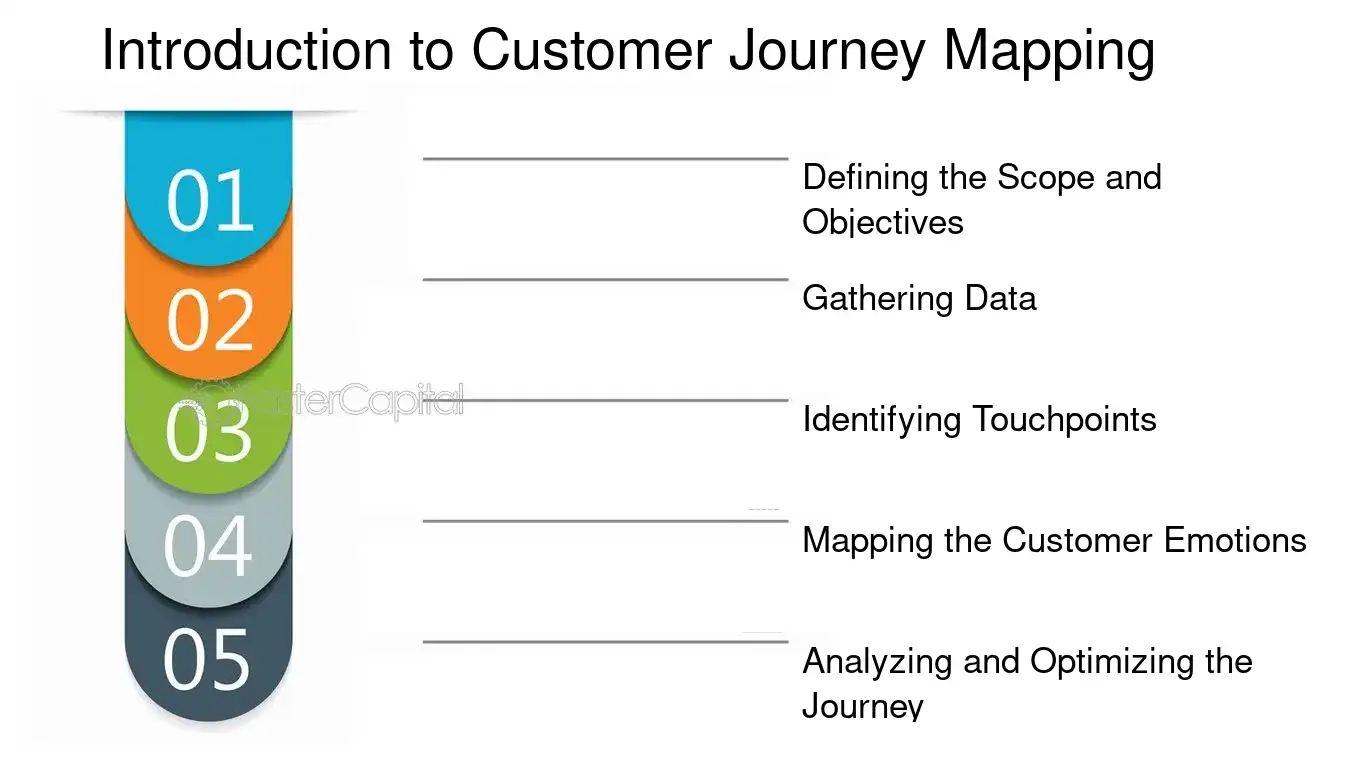
Introduction to Customer Journey Mapping - Customer journey mapping and optimization: Marketing Mastery: Unlocking Growth with Customer Journey Optimization
2. The Role of Data in Understanding the Customer Journey
In the realm of marketing, data stands as the cornerstone that allows businesses to decode the intricate tapestry of the customer journey. This journey, often non-linear and multifaceted, encompasses the complete lifecycle of a customer's interactions with a brand, from initial awareness to post-purchase behavior. The meticulous analysis of data gathered at each touchpoint provides a granular view of customer preferences, behaviors, and pain points. By leveraging this data, marketers can craft personalized experiences that resonate deeply with their audience, fostering loyalty and driving growth.
1. Touchpoint Identification: Data helps in pinpointing the exact moments where customers interact with the brand, whether it's through social media, customer service calls, or in-store visits. For example, a retailer might use data to discover that many customers visit their website after seeing a product in a physical store, indicating the importance of an omnichannel presence.
2. Behavioral Analysis: By examining data on how customers browse a website or navigate an app, companies can identify patterns and preferences. A SaaS company, for instance, might find that users who watch an instructional video are more likely to subscribe to their service, suggesting the need for more educational content.
3. Sentiment Tracking: Sentiment analysis tools can sift through customer feedback and social media mentions to gauge the public perception of a brand. A sudden spike in negative sentiment on social media, tied to a product launch, could prompt a company to quickly address any issues.
4. Conversion Optimization: Data analysis can reveal which marketing channels and campaigns are most effective at converting prospects into customers. A B2B business might learn that LinkedIn ads have a higher conversion rate than other platforms, leading to a reallocation of their ad budget.
5. Churn Prevention: By tracking customer activity and engagement levels, businesses can identify at-risk customers before they churn. For example, a subscription-based service might notice that customers who don't engage with monthly newsletters are more likely to cancel their subscription.
6. Lifetime Value Prediction: historical data can be used to predict the lifetime value of customers, allowing businesses to focus on high-value segments. A luxury car manufacturer might use data to identify that customers who purchase certain models are likely to upgrade within three years.
7. Personalization: Data enables the creation of personalized marketing messages and offers. A travel agency could use past booking data to tailor vacation suggestions, increasing the likelihood of repeat bookings.
8. Journey Mapping: Data visualization tools can help create detailed customer journey maps, highlighting areas for improvement. A telecom company might use journey maps to streamline the process of switching plans, reducing friction and improving customer satisfaction.
Data is not just a tool for understanding the customer journey; it is the lens through which the entire narrative of customer-brand interaction comes into focus. It empowers marketers to not only observe but also to anticipate and shape the path that leads customers towards a lasting relationship with the brand. By harnessing the power of data, businesses can unlock unprecedented growth and achieve marketing mastery in the digital age.
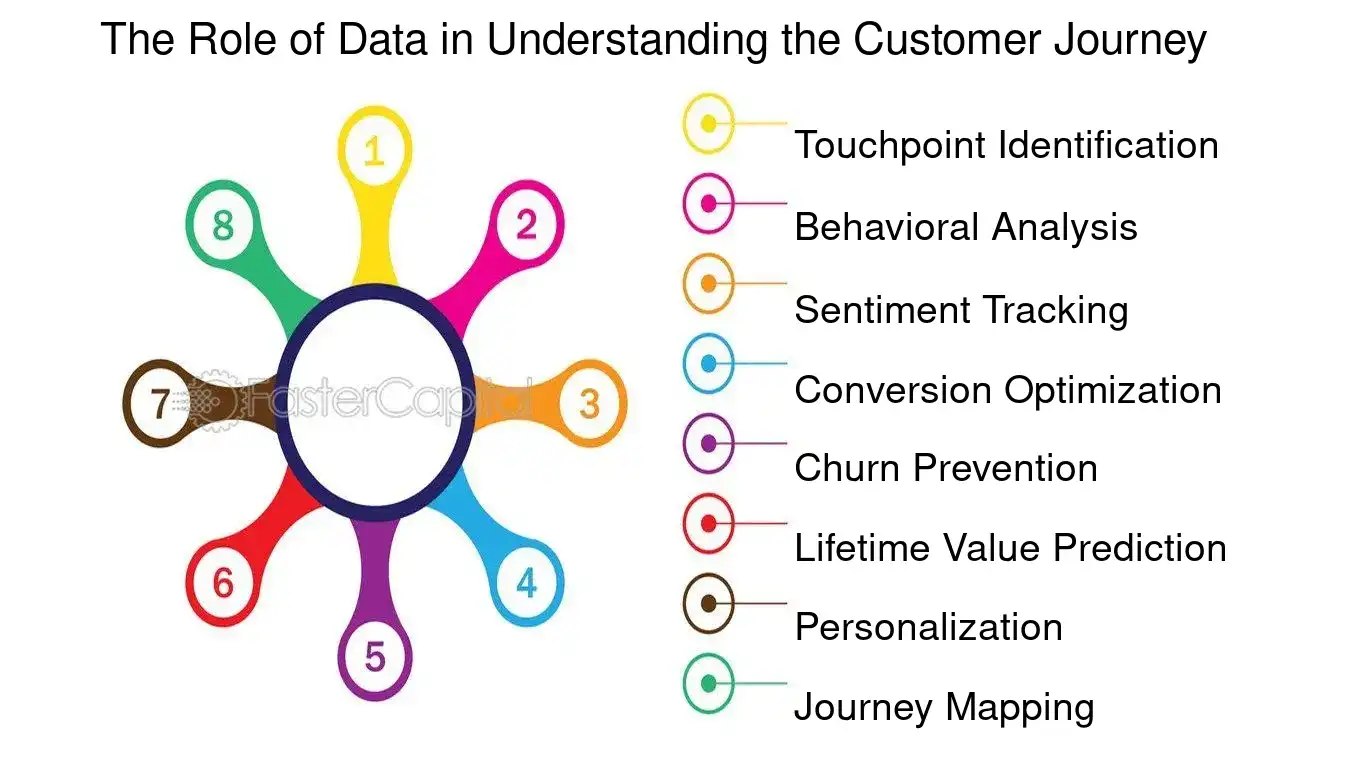
The Role of Data in Understanding the Customer Journey - Customer journey mapping and optimization: Marketing Mastery: Unlocking Growth with Customer Journey Optimization
3. Segmentation and Personalization Strategies
Segmentation and personalization are pivotal strategies in optimizing the customer journey, acting as the linchpins that can transform a generic path into a tailored narrative that resonates with each individual. In the realm of marketing, these strategies are not just about recognizing that each customer is unique; they're about harnessing that uniqueness to deliver relevant content, offers, and experiences that align with their specific needs, preferences, and behaviors. By segmenting the market into distinct groups, businesses can identify subsets of customers with common characteristics and tailor their marketing efforts to speak directly to those segments. Personalization takes this a step further by using data to deliver individualized messages and product offerings, creating a one-to-one relationship that can significantly enhance customer satisfaction and loyalty.
From the perspective of a data analyst, segmentation is a methodical approach that involves crunching numbers, identifying patterns, and predicting behaviors. It's about turning data into actionable insights. For instance, an analyst might use RFM (Recency, Frequency, Monetary) analysis to segment customers based on their transaction history, which can then inform targeted marketing campaigns.
On the other hand, a UX designer might view personalization as an opportunity to create more intuitive and engaging user interfaces. For example, a streaming service like Netflix personalizes its user interface by recommending movies and shows based on a user's viewing history, ensuring that the content feels handpicked for each subscriber.
Here are some in-depth strategies that can be employed:
1. Behavioral Segmentation: This involves dividing the market based on consumer behaviors, such as purchase history, product usage, and online activity. For example, an e-commerce store might track a user's browsing history and display personalized product recommendations based on the items they've shown interest in.
2. Demographic Segmentation: This strategy categorizes customers based on demographic information like age, gender, income, and education. A classic example is how cosmetic brands create different product lines for different age groups, acknowledging that skincare needs vary with age.
3. Geographic Segmentation: By tailoring marketing efforts to specific locations, businesses can appeal to local tastes and cultural nuances. A fast-food chain, for instance, might offer region-specific menu items to cater to local palates.
4. Psychographic Segmentation: This dives deeper into the psychological attributes of customers, such as lifestyle, values, and personality traits. A travel agency could use this strategy to personalize vacation packages for adventure seekers versus those looking for relaxation.
5. Personalized Communication: Beyond segmentation, personalization can be achieved through customized communication. An email campaign that addresses the recipient by name and includes offers relevant to their past purchases is more likely to engage the customer than a generic message.
6. Dynamic Content: Websites and apps can display dynamic content that changes based on user interactions. For instance, a news app might rearrange articles to prioritize topics the user frequently reads about.
7. Predictive Analytics: Leveraging machine learning algorithms to predict future customer behavior can inform personalization strategies. Retailers might use predictive analytics to forecast which products a customer is likely to buy next and send timely, personalized offers.
8. customer Feedback loop: incorporating customer feedback into the segmentation and personalization process ensures that strategies remain relevant and effective. This could involve surveys, reviews, or direct customer feedback channels.
By integrating these segmentation and personalization strategies into the customer journey, businesses can create a more compelling and customized experience that not only meets but anticipates customer needs, driving growth and fostering long-term relationships. The key is to balance the granularity of segmentation with the scalability of personalization efforts, ensuring that each customer feels seen and valued without overwhelming the business's operational capabilities.
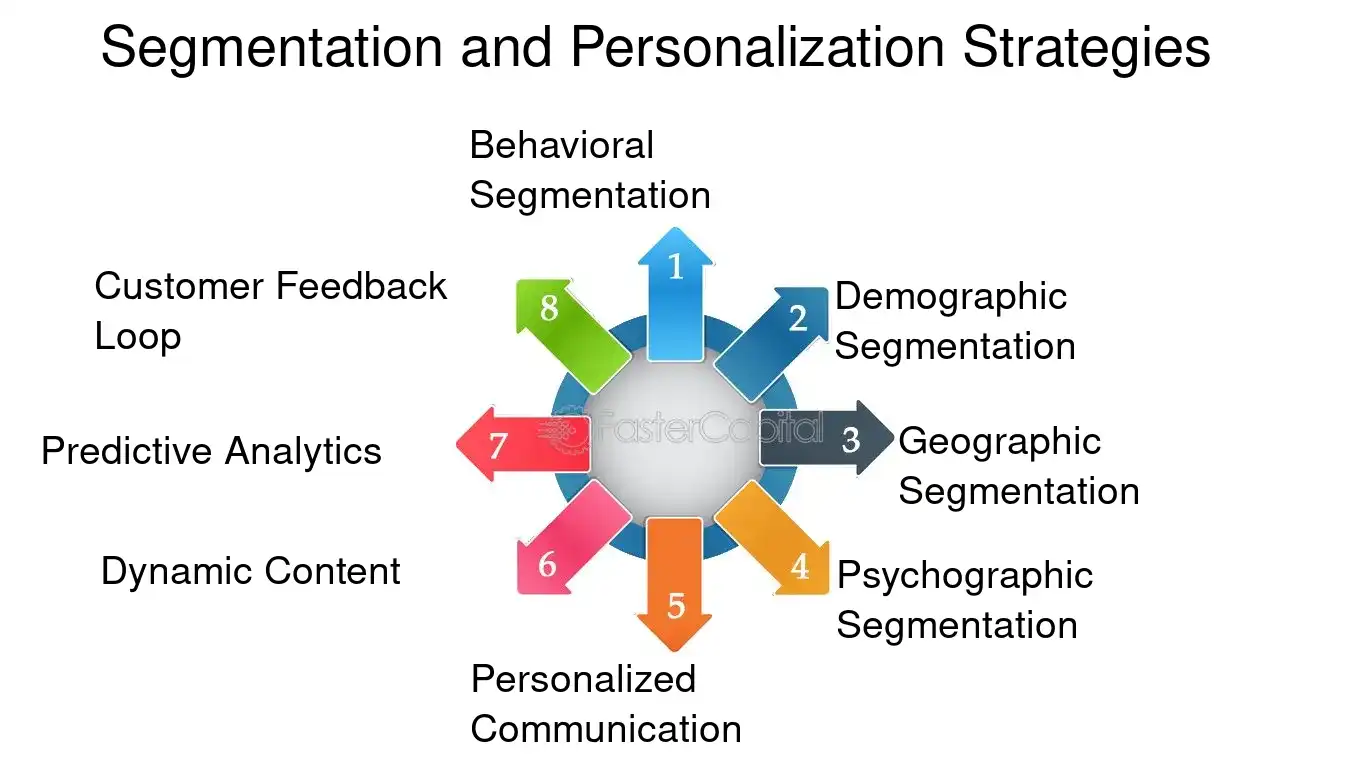
Segmentation and Personalization Strategies - Customer journey mapping and optimization: Marketing Mastery: Unlocking Growth with Customer Journey Optimization
4. Touchpoint Analysis for Enhanced Engagement
Touchpoint analysis is a critical component of customer journey mapping, as it allows businesses to identify and evaluate every interaction a customer has with their brand. This analysis is not just about pinpointing moments of contact; it's about understanding the quality, context, and sentiment of each interaction to enhance customer engagement. By dissecting these touchpoints, companies can gain insights into customer preferences, pain points, and opportunities for improvement. The goal is to create a seamless and personalized experience that resonates with customers at every stage of their journey.
From the perspective of a customer, touchpoints are the moments that shape their perception of a brand. These can range from seeing an advertisement, visiting a website, speaking to customer service, to receiving a product. Each interaction holds the potential to either strengthen loyalty or push the customer away. For instance, a customer who receives prompt and helpful service via a live chat might feel valued and more inclined to make a purchase.
On the other hand, a business views touchpoints as opportunities to collect data, engage with customers, and deliver value. They use analytics tools to track interactions and gather feedback, which informs their marketing strategies and product development. For example, a business might notice that customers frequently abandon their online shopping carts at the payment stage. This insight could lead to simplifying the checkout process or offering more payment options.
Here's an in-depth look at how touchpoint analysis can enhance engagement:
1. Identification of Touchpoints: The first step is to list all possible customer touchpoints, both online and offline. This includes social media interactions, in-store visits, customer service calls, and more.
2. Evaluation of Impact: Assess the impact of each touchpoint on the customer's decision-making process. For example, product reviews on an e-commerce site can significantly influence a customer's purchase decision.
3. Sentiment Analysis: Use customer feedback and sentiment analysis to understand how customers feel about their interactions with the brand. A positive sentiment at the support touchpoint, for instance, indicates effective customer service.
4. Optimization for Conversion: Refine touchpoints to improve the customer experience and increase conversion rates. An example would be optimizing a landing page to make it more user-friendly, thus reducing bounce rates.
5. Personalization: Tailor interactions to meet individual customer needs. A personalized email campaign based on past purchases can make customers feel understood and appreciated.
6. Consistency Across Channels: Ensure that the brand message and customer experience are consistent across all touchpoints. Inconsistencies can confuse customers and dilute brand identity.
7. Feedback Loop: Establish a system for continuous feedback to keep improving touchpoints. Implementing a post-purchase survey can provide valuable insights into the customer's shopping experience.
By integrating touchpoint analysis into customer journey mapping, businesses can create a more engaging and rewarding experience for their customers. For example, a telecom company might use touchpoint analysis to revamp its customer onboarding process. By simplifying the sign-up form and providing clear setup instructions, they can reduce frustration and improve customer satisfaction from the outset.
Touchpoint analysis is not just about tracking interactions; it's about delving into the nuances of each touchpoint to craft a customer journey that is as frictionless and enjoyable as possible. It's a strategic approach that requires looking at the journey through the customer's eyes and making data-driven decisions to foster a deeper connection with the brand.
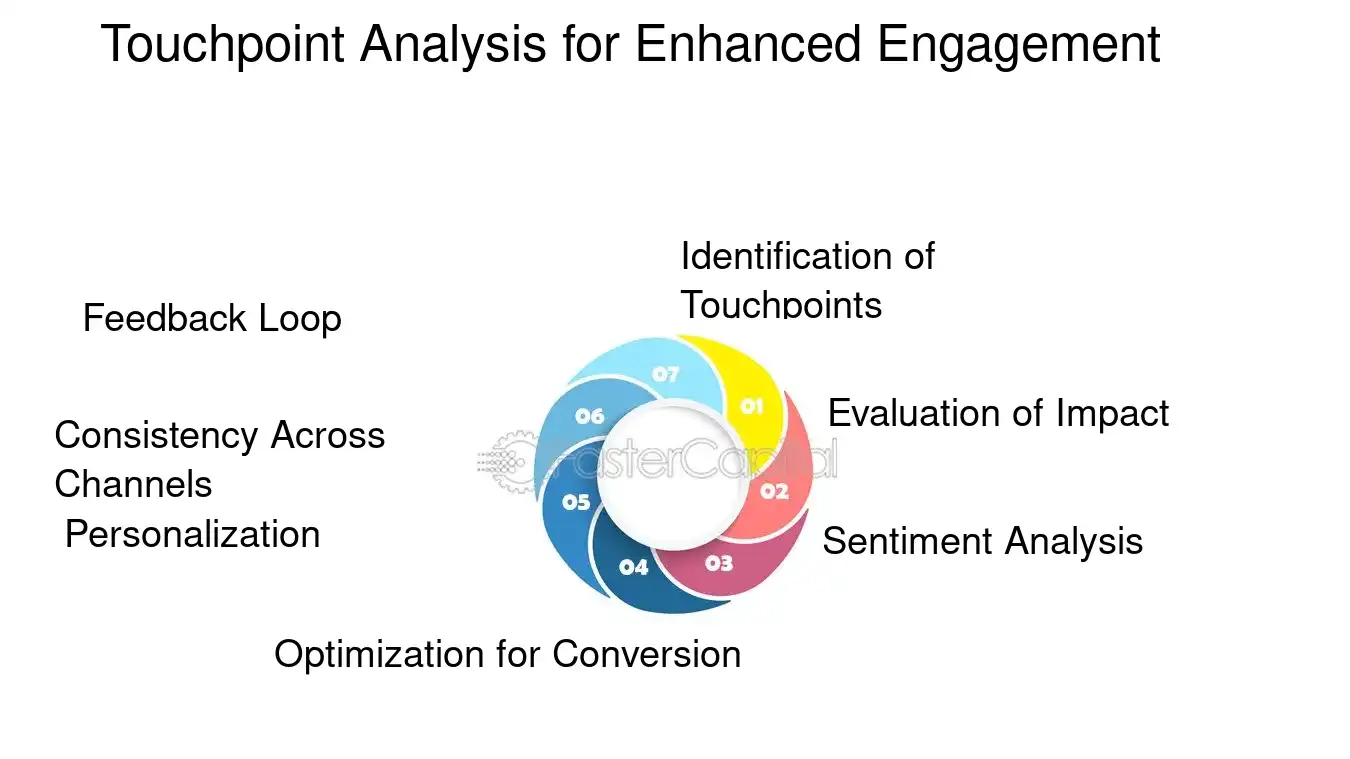
Touchpoint Analysis for Enhanced Engagement - Customer journey mapping and optimization: Marketing Mastery: Unlocking Growth with Customer Journey Optimization
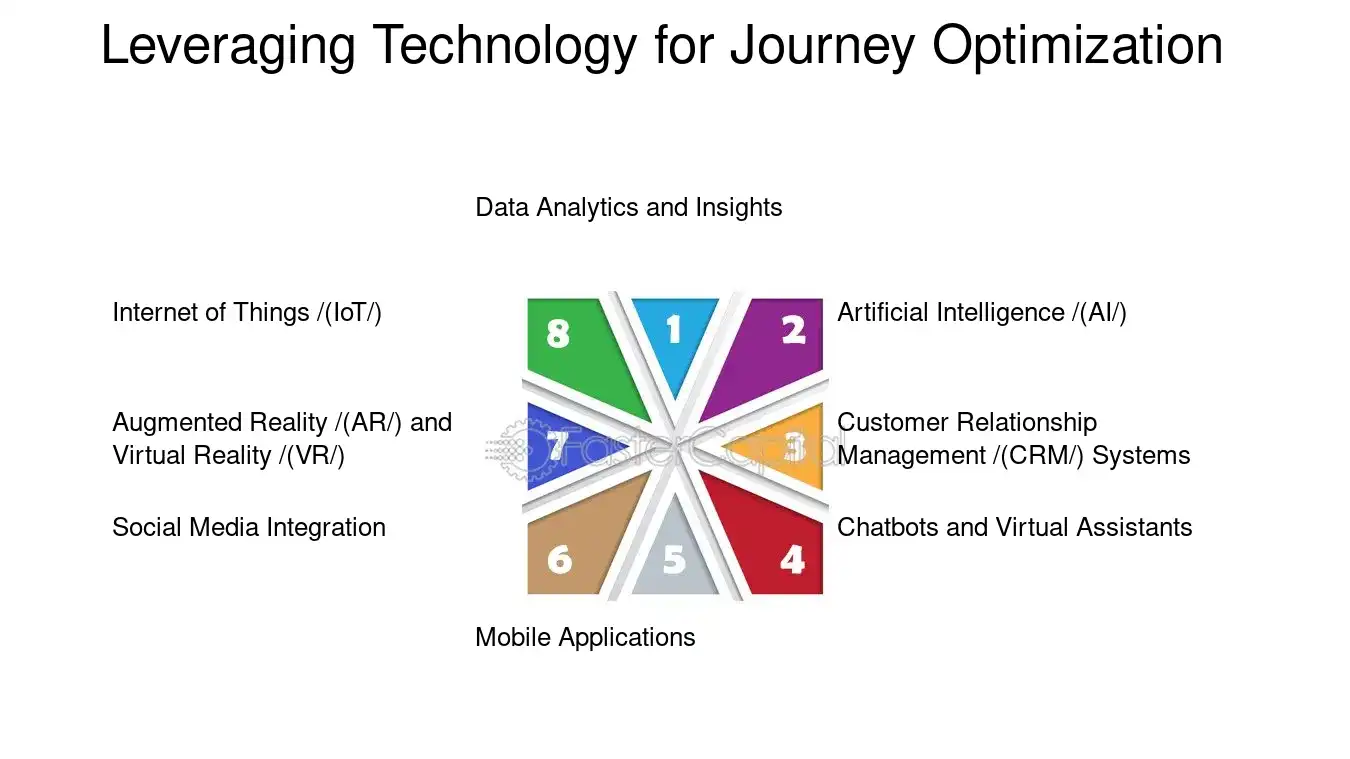
5. Leveraging Technology for Journey Optimization
In the realm of customer journey mapping and optimization, leveraging technology stands out as a pivotal strategy. It's not just about digitizing the customer experience; it's about harnessing data analytics, artificial intelligence, and automation to understand and enhance every touchpoint in the customer's journey. By doing so, businesses can create a seamless, personalized experience that resonates with the customer's evolving needs and preferences. This approach is multifaceted, involving various stakeholders from IT specialists to marketing professionals, all working in tandem to deploy technologies that track, analyze, and optimize the journey.
From the perspective of data analysts, technology is the lens through which customer behaviors become visible and actionable. Marketers view technology as a means to engage customers with the right message at the right time. Meanwhile, customer service representatives see technology as a tool to anticipate issues and provide swift resolutions. Each viewpoint contributes to a holistic strategy for journey optimization.
Here are some ways technology can be leveraged for journey optimization:
1. data Analytics and insights: By collecting and analyzing customer data, businesses can identify patterns and preferences. For example, a retail company might use data analytics to determine the most popular products among different demographics and tailor their marketing campaigns accordingly.
2. Artificial Intelligence (AI): AI can predict customer behavior and automate personalized recommendations. An online streaming service, for instance, could use AI to suggest movies and shows based on a user's viewing history, increasing engagement and satisfaction.
3. customer Relationship management (CRM) Systems: These systems centralize customer interactions, providing a comprehensive view of the customer journey. A CRM could help a sales team track a customer's purchase history and predict future needs, leading to timely and relevant outreach.
4. chatbots and Virtual assistants: These tools can handle routine inquiries and tasks, freeing up human agents for more complex issues. A chatbot on a banking website might assist customers with account inquiries, while human agents handle more sensitive financial advice.
5. Mobile Applications: Apps can offer convenience and personalized experiences. For example, a fitness app might track a user's workout progress and suggest customized exercise plans based on their goals and performance.
6. Internet of Things (IoT): IoT devices can collect real-time data to enhance customer experiences. A smart home company could use IoT data to understand how customers interact with their products and offer proactive maintenance or upgrades.
7. augmented reality (AR) and Virtual Reality (VR): These technologies can create immersive experiences that deepen customer engagement. A furniture retailer might use AR to let customers visualize how products would look in their homes before making a purchase.
8. social Media integration: integrating social media allows businesses to engage with customers where they spend a significant amount of time. A fashion brand might use social media trends to inform product development and marketing strategies.
By integrating these technologies into the customer journey, businesses can not only meet but exceed customer expectations, fostering loyalty and driving growth. The key is to implement technology in a way that feels natural and adds value at every stage of the journey. As technology continues to evolve, so too will the methods for optimizing the customer journey, always with the goal of delivering exceptional experiences that resonate on a personal level.
Leveraging Technology for Journey Optimization - Customer journey mapping and optimization: Marketing Mastery: Unlocking Growth with Customer Journey Optimization
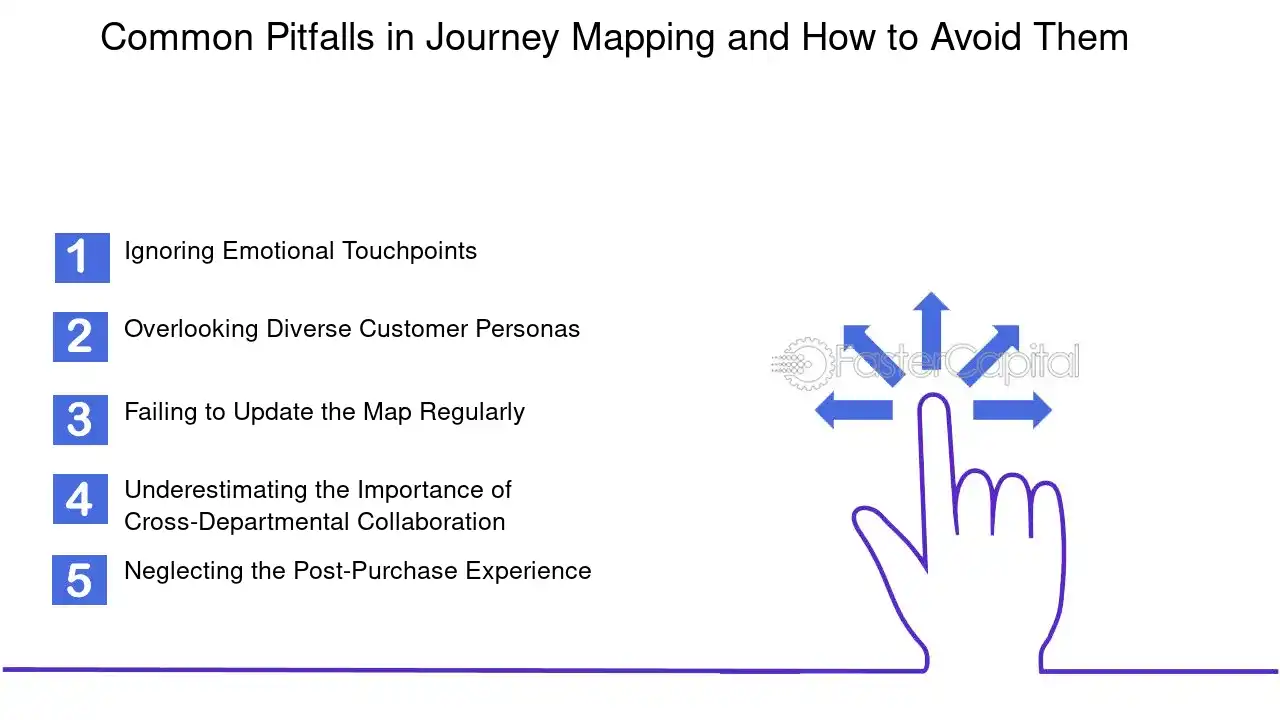
6. Common Pitfalls in Journey Mapping and How to Avoid Them
Journey mapping is a critical tool in the marketer's arsenal, designed to provide a holistic view of the customer's experience with a brand or product. However, creating an effective journey map is not without its challenges. Marketers must navigate a landscape riddled with potential missteps that can skew the map's accuracy and utility. From overlooking the emotional components of a customer's experience to neglecting the diversity of customer interactions, these pitfalls can lead to misguided strategies and missed opportunities for optimization. To truly unlock growth through customer journey optimization, it is essential to recognize these common traps and implement strategies to avoid them.
1. Ignoring Emotional Touchpoints: Customers are not just rational actors; emotions play a significant role in their decision-making process. A common pitfall is focusing solely on the functional aspects of the journey without considering how customers feel at each stage. For example, a customer might feel anxious when choosing a high-value product, or delighted when receiving personalized service. Recognizing and addressing these emotional touchpoints can enhance the journey map's effectiveness.
2. Overlooking Diverse Customer Personas: Not all customers are the same, and a one-size-fits-all journey map can lead to a lack of personalization. It's crucial to segment your audience and create multiple maps that reflect the varied paths different personas might take. For instance, a tech-savvy young adult's journey will differ significantly from that of a less digitally inclined older customer.
3. Failing to Update the Map Regularly: Customer behaviors and market trends are constantly evolving. A journey map is not a set-it-and-forget-it tool; it requires regular updates to remain relevant. A company that neglects to refresh its journey map may find itself operating on outdated assumptions, like a retailer assuming customers prefer in-store experiences when, in fact, they have shifted towards online shopping.
4. Underestimating the importance of Cross-Departmental collaboration: Journey mapping should not be confined to the marketing department. It's a cross-functional effort that benefits from the insights of customer service, sales, product development, and more. For example, the customer service team might provide valuable insights into common pain points that are not apparent to marketers.
5. Neglecting the Post-Purchase Experience: The journey doesn't end at the point of purchase. Post-purchase experiences, such as customer support and product returns, are often overlooked but are critical to customer retention and advocacy. A negative post-purchase experience can tarnish the entire journey, as seen when a customer's issue with a defective product is handled poorly, leading to frustration and brand abandonment.
By being mindful of these pitfalls and actively working to avoid them, marketers can create more accurate, empathetic, and effective journey maps. This, in turn, paves the way for enhanced customer experiences, stronger brand loyalty, and ultimately, sustained business growth. Remember, the goal of journey mapping is not just to document the customer's path but to understand it deeply enough to make it better, every step of the way.
Common Pitfalls in Journey Mapping and How to Avoid Them - Customer journey mapping and optimization: Marketing Mastery: Unlocking Growth with Customer Journey Optimization
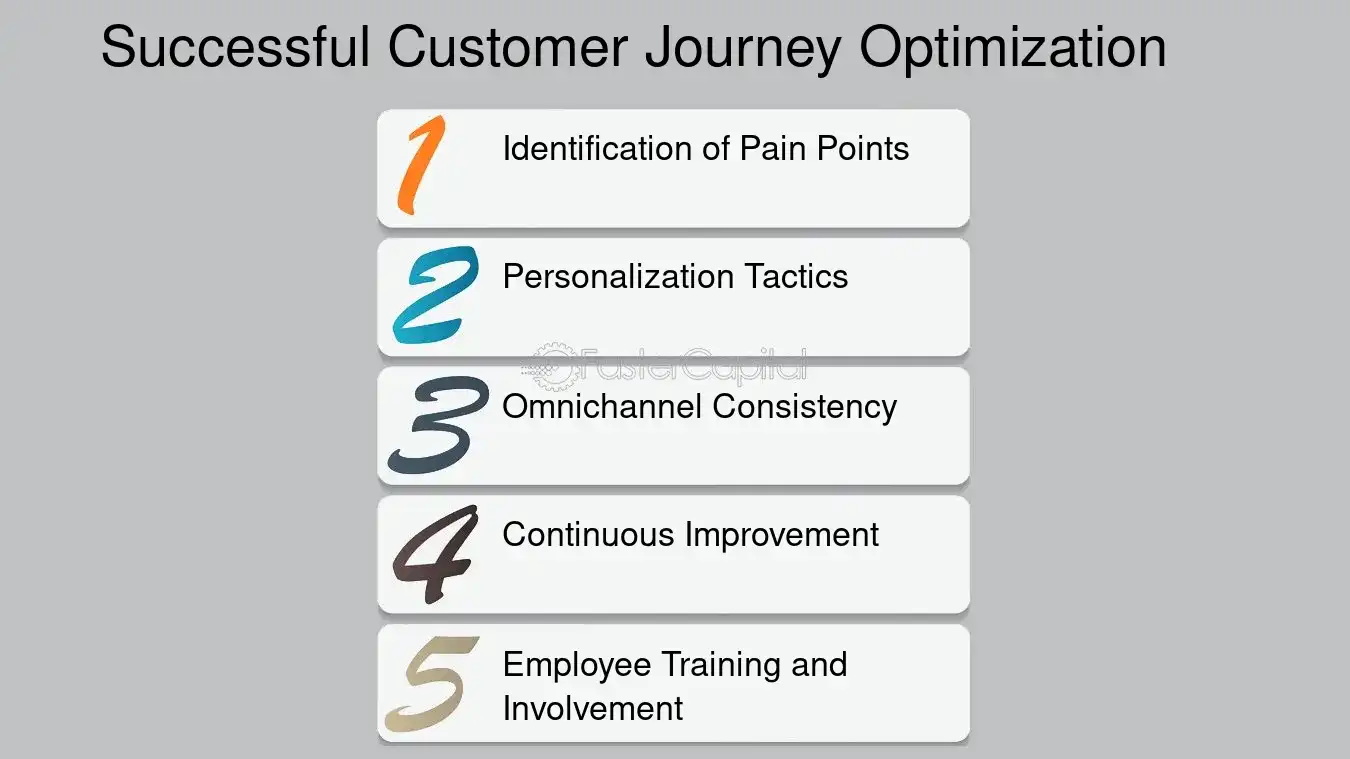
7. Successful Customer Journey Optimization
In the realm of digital marketing, customer journey optimization stands as a pivotal strategy for fostering growth and enhancing customer satisfaction. This approach involves a meticulous analysis of the customer's interaction with a brand across various touchpoints, aiming to identify opportunities for improvement and personalization. By scrutinizing successful case studies, we can glean valuable insights into the transformative power of customer journey optimization.
From the perspective of a small e-commerce startup, the implementation of customer journey mapping revealed significant drop-off points during the checkout process. By optimizing the checkout flow, simplifying form fields, and introducing reassuring security badges, the startup witnessed a 25% increase in conversion rates. This underscores the importance of a frictionless and secure checkout experience in the e-commerce landscape.
Large enterprises have also reaped the benefits of customer journey optimization. A multinational corporation, for instance, leveraged data analytics to segment their audience and deliver tailored content. The result was a 30% uplift in engagement on their platform, demonstrating the efficacy of personalized marketing at scale.
Let's delve deeper into the intricacies of customer journey optimization through the following numbered list:
1. Identification of Pain Points: By analyzing customer feedback and behavior, businesses can pinpoint specific areas where customers experience frustration or confusion. For example, a SaaS company used heatmaps to discover that users were struggling to locate the 'Help' section, leading to the redesign of their navigation menu.
2. Personalization Tactics: Personalization goes beyond addressing the customer by name. It's about relevant content, product recommendations, and timely interactions. A fashion retailer's use of AI-driven recommendations resulted in a 40% increase in average order value among engaged customers.
3. Omnichannel Consistency: Ensuring a seamless experience across all channels is crucial. A case in point is a bank that synchronized its online and offline channels, allowing customers to start an application online and finish it in-branch, which improved customer satisfaction scores by 20%.
4. Continuous Improvement: Customer journey optimization is not a one-time project but an ongoing process. A subscription-based service introduced A/B testing for their email campaigns, which led to a sustained 15% improvement in open rates over six months.
5. Employee Training and Involvement: Employees should be well-versed in the customer journey to provide consistent service. A hospitality brand trained its staff to recognize loyalty program members, resulting in a 10% uptick in positive reviews.
Through these examples, it becomes evident that customer journey optimization is a multifaceted endeavor. It requires a blend of analytical prowess, creative problem-solving, and an unwavering commitment to customer-centricity. By learning from these case studies, businesses can embark on their own journey towards marketing mastery and sustainable growth.
Successful Customer Journey Optimization - Customer journey mapping and optimization: Marketing Mastery: Unlocking Growth with Customer Journey Optimization
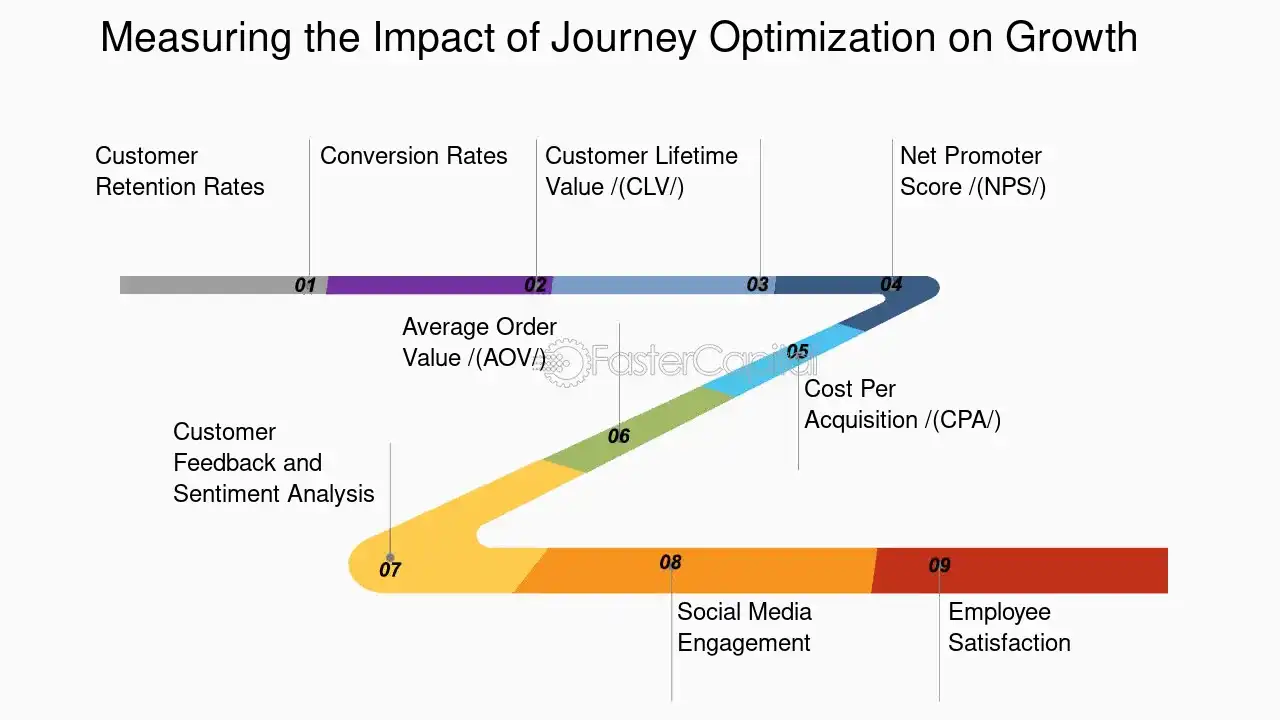
8. Measuring the Impact of Journey Optimization on Growth
Understanding the impact of journey optimization on growth is a multifaceted process that involves analyzing various metrics and interpreting the data through different lenses. It's not just about seeing an uptick in sales or an increase in website traffic; it's about delving into the customer's experience, their interactions with your brand, and how these touchpoints influence their decision-making process. By optimizing the customer journey, businesses can create a more seamless and personalized experience, which in turn can lead to improved customer satisfaction, retention, and ultimately, growth. This section will explore the various ways in which journey optimization can impact growth, drawing insights from customer behavior analytics, sales data, and marketing strategies.
1. Customer Retention Rates: One of the primary indicators of successful journey optimization is an increase in customer retention rates. For example, a telecom company might implement a journey optimization strategy that includes personalized plan recommendations based on usage patterns. As a result, they see a 15% increase in customer retention year-over-year.
2. Conversion Rates: Optimizing the journey can lead to higher conversion rates at different stages of the funnel. For instance, an e-commerce store could streamline its checkout process, resulting in a 20% increase in conversions from cart to purchase.
3. Customer Lifetime Value (CLV): A well-optimized journey can enhance the CLV by encouraging repeat purchases and brand loyalty. A beauty brand that uses customer data to tailor email marketing campaigns might find that their average clv increases by 25% after implementing journey optimization tactics.
4. net Promoter score (NPS): This metric reflects customer satisfaction and the likelihood of recommending your brand. A positive shift in NPS can often be attributed to a smoother, more engaging customer journey. A software company that redesigns its onboarding process to be more user-friendly might see its NPS jump from 30 to 50.
5. Cost Per Acquisition (CPA): By making the journey more efficient, businesses can reduce the CPA. For example, a fintech startup that optimizes its ad targeting strategy might decrease its CPA by 30%, reallocating those savings into further journey optimization efforts.
6. Average Order Value (AOV): Enhancing the journey can also lead to customers purchasing more per transaction. A furniture retailer that offers personalized room planning advice online may observe a 10% increase in AOV as customers feel more confident in their purchases.
7. customer Feedback and Sentiment analysis: Qualitative data from customer feedback can provide insights into the emotional impact of journey optimization. A restaurant chain that introduces a mobile app for easier ordering and loyalty rewards might receive overwhelmingly positive reviews, indicating a successful optimization.
8. social Media engagement: An optimized journey that includes social media touchpoints can lead to increased engagement. A fashion brand that integrates user-generated content into its product pages could see a 50% boost in social media interactions.
9. Employee Satisfaction: Interestingly, optimizing the customer journey can also affect internal stakeholders. Employees who are equipped with better tools and processes to serve customers often report higher job satisfaction. A bank that introduces a new CRM system to provide a 360-degree view of the customer journey might find that employee satisfaction rates increase by 20%.
By examining these metrics and examples, it becomes clear that journey optimization is not just a marketing tactic but a comprehensive strategy that touches every aspect of a business. It's a continuous process that requires regular analysis and adjustment, but when done correctly, it can unlock significant growth and create a competitive advantage in the marketplace.
Measuring the Impact of Journey Optimization on Growth - Customer journey mapping and optimization: Marketing Mastery: Unlocking Growth with Customer Journey Optimization
9. Future Trends in Customer Journey Mapping
As we delve into the future trends in customer journey mapping, it's essential to recognize that the landscape of customer experience is ever-evolving. The advent of new technologies and methodologies is reshaping the way businesses understand and cater to their customers' needs. In this dynamic environment, customer journey mapping stands as a pivotal tool, not just for visualizing the path a customer takes but also for predicting and influencing future behaviors.
Insights from Different Perspectives:
1. integration of Predictive analytics:
- future customer journey mapping will heavily rely on predictive analytics, allowing businesses to anticipate customer needs and preferences before they even arise. For example, a retail company could use past purchase data and browsing history to predict what items a customer might be interested in next.
2. Personalization at Scale:
- With advancements in AI and machine learning, companies will be able to create highly personalized journey maps for individual customers at scale. Imagine a fitness app that crafts a unique health journey for each user based on their activity levels, dietary preferences, and health goals.
3. Real-time Journey Adjustments:
- businesses will be able to make real-time adjustments to the customer journey. For instance, if a customer encounters an issue during checkout, an AI system could instantly offer a solution or alternative to keep the journey smooth.
4. Voice and Conversational Interfaces:
- The rise of voice assistants and chatbots will lead to more journeys starting with a conversation. A customer might begin their journey by asking a smart speaker for product recommendations, which would then be mapped out by the company.
5. Emotional Analytics:
- Understanding the emotional aspect of the customer journey will become more prevalent. Tools that can analyze facial expressions or tone of voice will help businesses gauge customer satisfaction and tailor experiences accordingly.
6. Augmented Reality (AR) Experiences:
- AR will transform the way customers interact with products before purchasing. For example, furniture stores could offer an AR app that allows customers to visualize how a piece of furniture would look in their home, enhancing the decision-making process.
7. Blockchain for Transparency:
- blockchain technology could be used to create transparent and secure customer journeys, especially in industries like finance and healthcare, where trust and privacy are paramount.
8. Sustainability as a Journey Touchpoint:
- As consumers become more environmentally conscious, businesses will need to incorporate sustainability into the customer journey. This could mean highlighting eco-friendly products or practices at various touchpoints.
9. Cross-Device Journeys:
- The customer journey will span across multiple devices seamlessly. A user might start a task on their smartphone and finish it on their laptop without any friction, thanks to cloud technology and synchronized platforms.
10. Community-Driven Journeys:
- Social proof and community engagement will play a larger role in shaping customer journeys. Brands might leverage user-generated content or peer reviews as a step in the journey to build trust and authenticity.
By considering these future trends, businesses can stay ahead of the curve and ensure that their customer journey mapping remains a robust, insightful, and strategic asset in their marketing toolkit. The key will be to remain agile and open to innovation, as the customer journey of tomorrow will be defined by the technologies and societal shifts of today.

Future Trends in Customer Journey Mapping - Customer journey mapping and optimization: Marketing Mastery: Unlocking Growth with Customer Journey Optimization