1. Introduction to Time Blocking
2. The Philosophy Behind Time Blocking
3. Setting Up Your Time Blocking Schedule
4. Tools and Apps for Effective Time Blocking
5. Common Time Blocking Pitfalls and How to Avoid Them
6. Advanced Time Blocking Strategies for Professionals
Daily Planning Time Blocking: Maximizing Efficiency with Time Blocking Techniques in Daily Planning
1. Introduction to Time Blocking
In the realm of daily planning, the pursuit of efficiency often leads individuals to a strategic approach known as time blocking. This method involves dividing the day into blocks of time, each dedicated to a specific task or category of tasks. Unlike traditional to-do lists, time blocking doesn't just list what needs to be done; it also dictates when. This technique is grounded in the principle that assigning a specific time slot to a task increases the likelihood of its completion, thereby enhancing overall productivity.
Here's how time blocking can transform your daily planning:
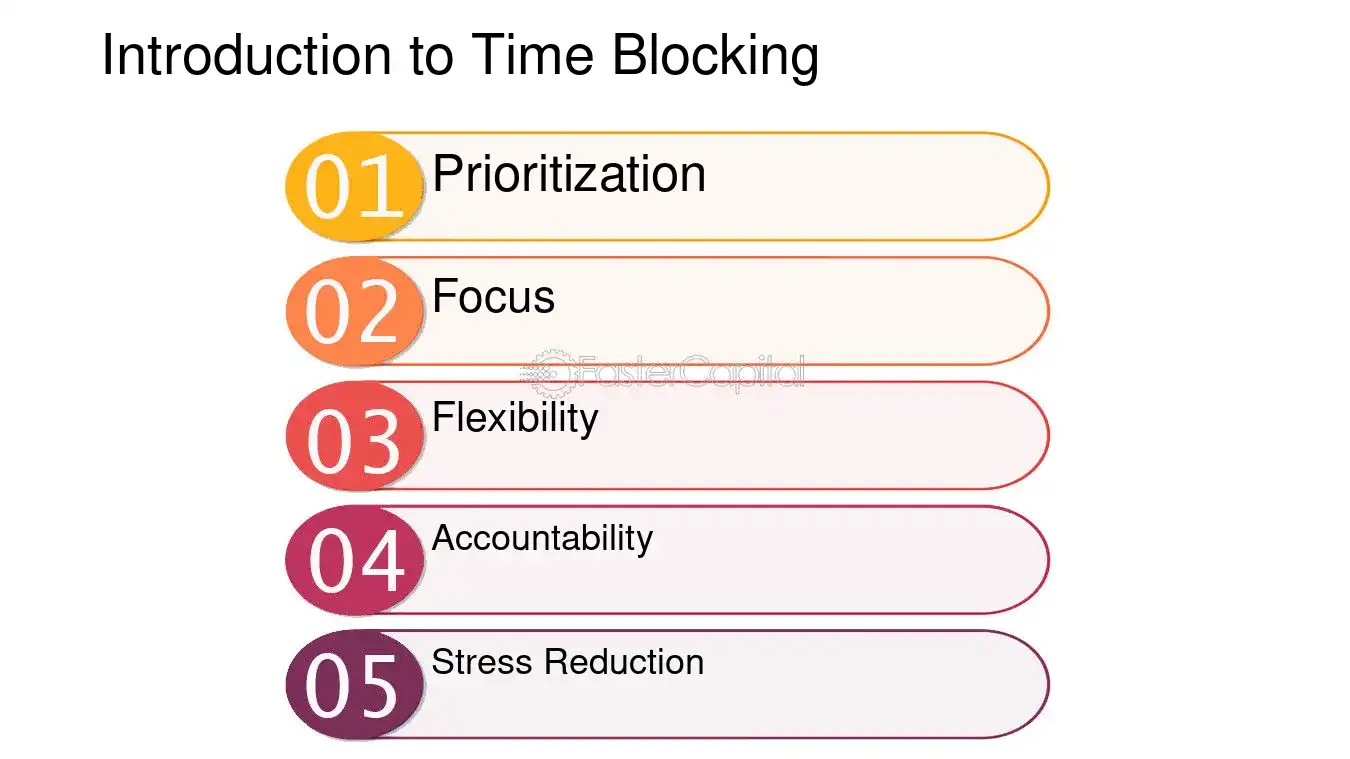
1. Prioritization: By allocating time blocks to tasks based on their importance, you ensure that high-priority items receive the attention they deserve. For instance, if you're a writer, you might block out the first hours of your morning for writing, when your mind is freshest.
2. Focus: Time blocks create a structure that helps ward off distractions. If you've set aside 9 AM to 11 AM for project research, you know that's the only focus during that time, making it easier to resist the pull of emails or social media.
3. Flexibility: While it may seem rigid, time blocking actually allows for flexibility. Life is unpredictable, and sometimes tasks take longer than expected. If a block overflows, you can adjust the following blocks accordingly.
4. Accountability: With your day mapped out, it's easier to track where time is spent and make adjustments for future efficiency.
5. Stress Reduction: Knowing what you're working on and when can alleviate the anxiety of an overwhelming workload. It's like having a roadmap for your day.
For example, a digital marketer might use time blocking to allocate specific periods for content creation, client meetings, and analytics review. By doing so, they can ensure a balanced approach to their day, dedicating necessary time to each aspect of their role without overextending in any single area.
Time blocking isn't a one-size-fits-all solution; it requires tailoring to fit individual work styles and preferences. Some may prefer longer blocks for deep work, while others might thrive with shorter, more frequent intervals. The key is to experiment and find the rhythm that best suits your personal productivity pulse.
Introduction to Time Blocking - Daily Planning Time Blocking: Maximizing Efficiency with Time Blocking Techniques in Daily Planning
2. The Philosophy Behind Time Blocking
At the heart of enhancing personal productivity lies a strategic approach that transcends mere scheduling. This method, often adopted by high achievers, involves dividing the day into blocks of time, each dedicated to a specific task or category of tasks. Unlike traditional to-do lists that dictate what needs to be done, this technique dictates when. It's a philosophy that prioritizes intentionality in one's daily routine, ensuring that each moment is allocated purposefully towards a predetermined goal.
1. Intentional Planning: By assigning tasks to specific time slots, individuals are more likely to tackle important tasks with a focused mindset. For example, a writer might block out the first two hours of their morning solely for writing, capitalizing on their peak creative energy.
2. Mitigating Decision Fatigue: With the day's activities pre-planned, one avoids the constant decision-making about what to do next, thus preserving mental energy. Consider a project manager who, after a block dedicated to emails, transitions to a team meeting, having already decided this in advance.
3. Flexibility within Structure: While the framework is rigid, there's room for adaptability. If an unexpected task arises, it can be slotted into the next available block or replace a less critical task. An entrepreneur might swap a block reserved for networking with handling an urgent client request.
4. Measuring Progress: This approach allows for tangible tracking of task completion and time spent, offering insights into one's work patterns. A graphic designer might review their week to find that design blocks are consistently running over, indicating a need for adjustment.
5. Boundary Setting: Time blocks act as boundaries against the encroachment of distractions, promoting deep work. When a software developer enters a coding block, they signal to colleagues that they are not to be disturbed, thus protecting their focus.
Through these lenses, the philosophy of time blocking emerges not just as a scheduling tool, but as a comprehensive system for achieving peak efficiency and clarity in one's daily pursuits. It's a testament to the power of structured freedom and the art of balancing rigidity with flexibility to master one's time.

The Philosophy Behind Time Blocking - Daily Planning Time Blocking: Maximizing Efficiency with Time Blocking Techniques in Daily Planning
3. Setting Up Your Time Blocking Schedule
Embarking on the journey of meticulous daily planning, one finds that the cornerstone of this endeavor lies in the strategic allocation of time. This methodical approach requires a granular breakdown of the day into segments, each dedicated to a specific task or category of tasks. It's not merely about penciling in appointments or meetings; it's an artful orchestration of one's duties, aspirations, and even leisure, ensuring that each moment is utilized with intention and purpose.
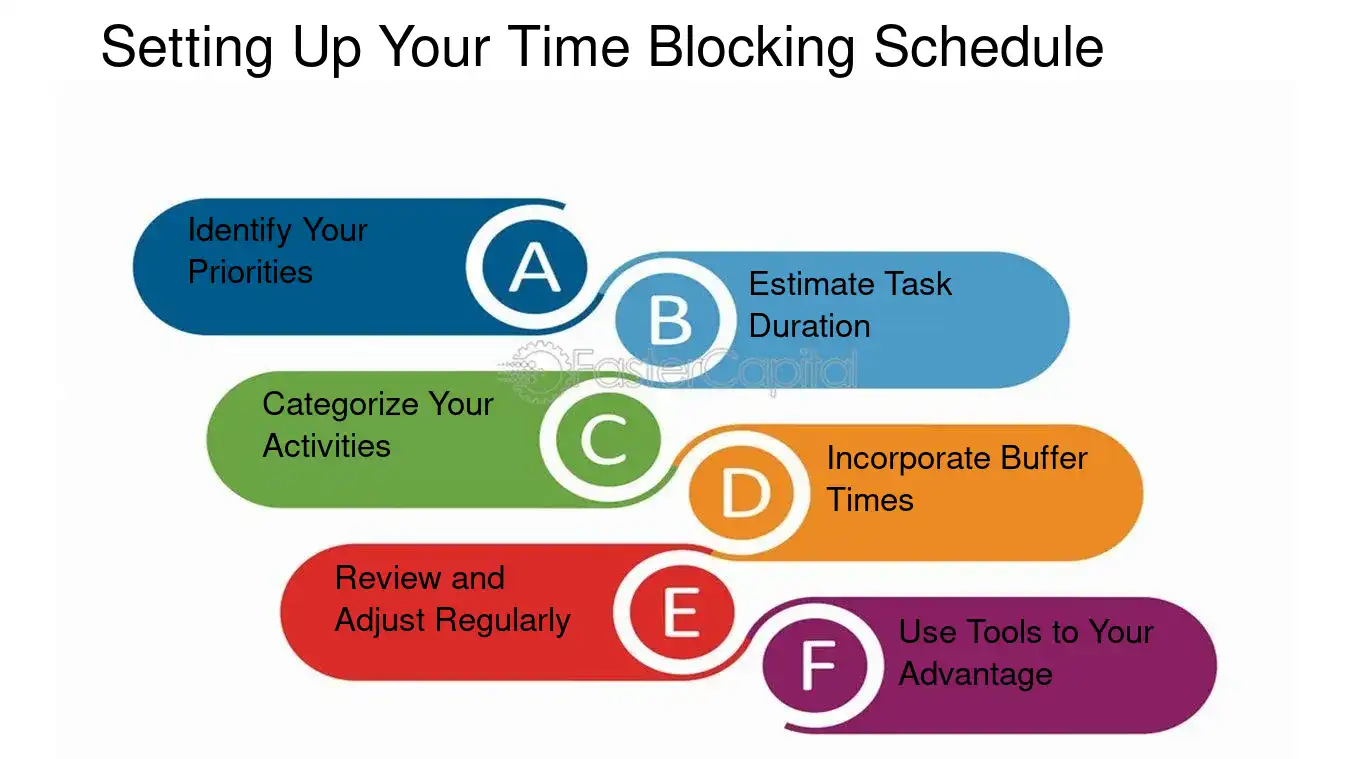
1. Identify Your Priorities: Begin by listing out tasks that are of utmost importance. For instance, if you're a writer, your morning hours might be reserved for creative writing, as this is when your mind is most lucid.
2. Estimate Task Duration: Assign realistic time frames to each task. If email correspondence typically takes you an hour, block out that hour in your schedule.
3. Categorize Your Activities: Group similar tasks together to create a sense of rhythm and flow. For example, all your administrative tasks like invoicing, scheduling, and follow-ups could be grouped in the late afternoon.
4. Incorporate Buffer Times: Unexpected events are a given. Including buffer times between blocks can prevent a domino effect of delays. A 15-minute buffer post-lunch could accommodate any overextensions from the morning's activities.
5. Review and Adjust Regularly: At the end of each week, review what worked and what didn't. Perhaps you realized that creative writing is more fruitful in the evenings, prompting a reshuffle of your time blocks.
6. Use Tools to Your Advantage: Digital calendars or time blocking apps can be invaluable for setting reminders and visualizing your day.
By integrating these steps, you'll craft a schedule that not only reflects your professional commitments but also your personal growth and well-being. For example, a software developer might block out the first two hours of their workday for coding, when their concentration is at its peak, followed by meetings in the late morning when they're ready to collaborate. The key is to tailor your time blocks to fit your unique rhythm and lifestyle, allowing for a harmonious blend of productivity and personal fulfillment.
Setting Up Your Time Blocking Schedule - Daily Planning Time Blocking: Maximizing Efficiency with Time Blocking Techniques in Daily Planning
4. Tools and Apps for Effective Time Blocking
In the realm of daily planning, the adoption of specific tools and applications can significantly streamline the process of time blocking, ensuring that each segment of one's day is allocated efficiently. These digital aids not only facilitate the meticulous organization of tasks but also imbue users with the ability to track progress, set reminders, and adjust schedules dynamically in response to unforeseen changes. The utility of these tools extends beyond mere scheduling; they foster a disciplined approach to time management, encouraging users to adhere to their planned routines.
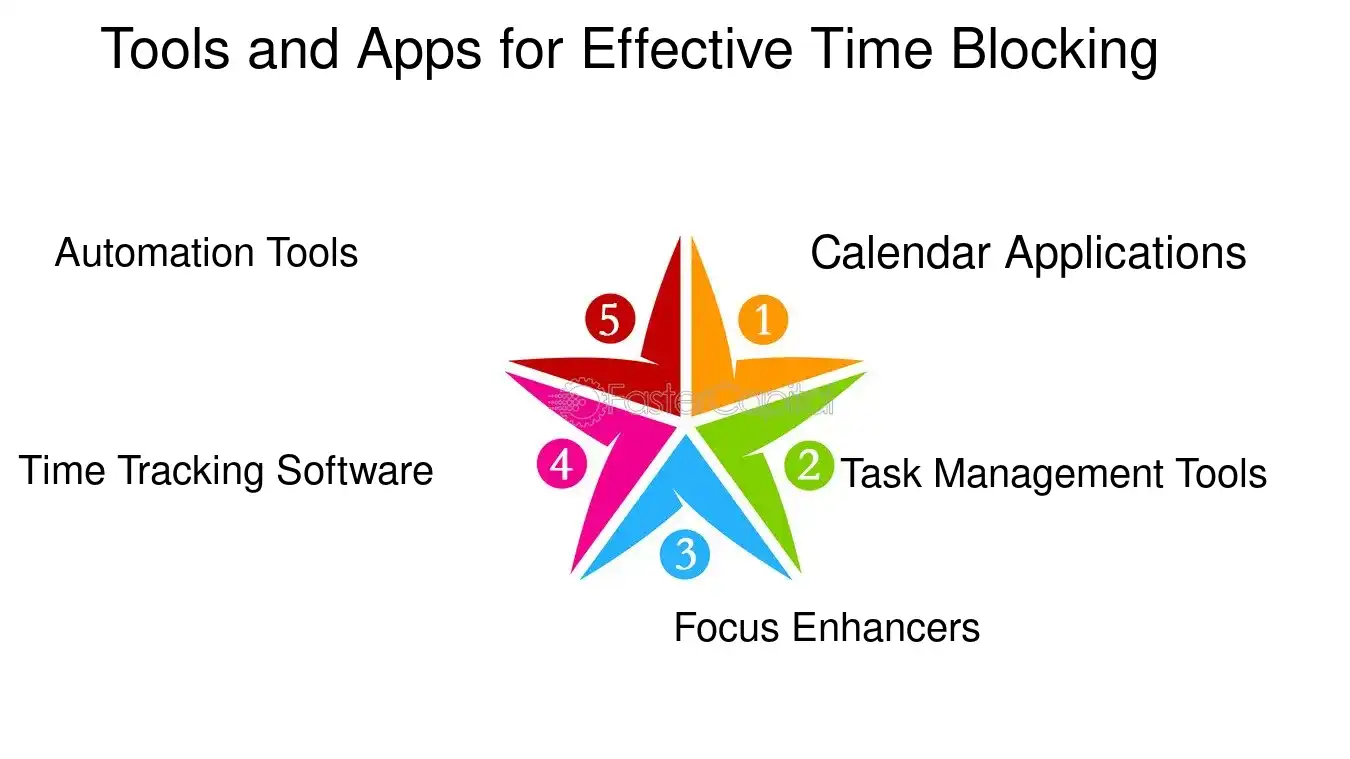
1. Calendar Applications: At the core of time blocking lies the calendar app. Digital calendars like Google Calendar or Outlook provide a visual layout of the day, allowing for blocks of time to be assigned to specific tasks. For instance, a user might block 9 AM to 11 AM for deep work, ensuring no meetings are scheduled during this period.
2. task Management tools: Apps such as Todoist or Trello go hand-in-hand with calendar apps, offering a platform to list tasks that need to be slotted into the time blocks. These tools often allow for categorization and prioritization, making it easier to identify which tasks should be tackled first.
3. Focus Enhancers: To complement the structure provided by calendars and task managers, focus apps like Forest or Freedom help minimize distractions. By blocking access to websites and apps that may divert attention, these tools aid in maintaining the integrity of a time block.
4. time Tracking software: Tools like Toggl or RescueTime offer insights into actual time spent on various activities. This data is invaluable for refining future time blocks, as it highlights areas where one may be overestimating or underestimating the time required for tasks.
5. Automation Tools: Automating repetitive tasks can save chunks of time that can be reallocated to more important activities. IFTTT (If This Then That) or Zapier can automate workflows between different apps, syncing tasks, and calendar entries without manual input.
By integrating these tools into one's daily planning routine, individuals can transform their approach to time management, turning a chaotic schedule into a well-oiled machine that operates with precision. For example, a project manager might use a combination of Trello for task breakdown, google Calendar for scheduling, and Toggl for tracking the time spent on each project phase. This integrated system not only ensures that every hour of work is accounted for but also provides the flexibility to adjust as project demands evolve.
Tools and Apps for Effective Time Blocking - Daily Planning Time Blocking: Maximizing Efficiency with Time Blocking Techniques in Daily Planning
5. Common Time Blocking Pitfalls and How to Avoid Them
When adopting time blocking as a strategy to enhance daily planning, it's crucial to navigate potential obstacles that can undermine its effectiveness. A common challenge is the rigidity of scheduling, which can lead to a lack of flexibility when unexpected tasks arise. To counter this, it's advisable to incorporate buffer blocks—designated periods set aside for unplanned activities or overflows from previous tasks. This approach ensures that one's schedule isn't derailed by unforeseen events.
Another pitfall is underestimating the time required for tasks, resulting in overcommitment and a sense of failure when unable to complete everything. A practical solution is to perform a time audit for a week, tracking the actual time spent on various activities. This data provides a realistic basis for future planning, allowing for more accurate time allocations.
Here are some additional pitfalls and strategies to avoid them:
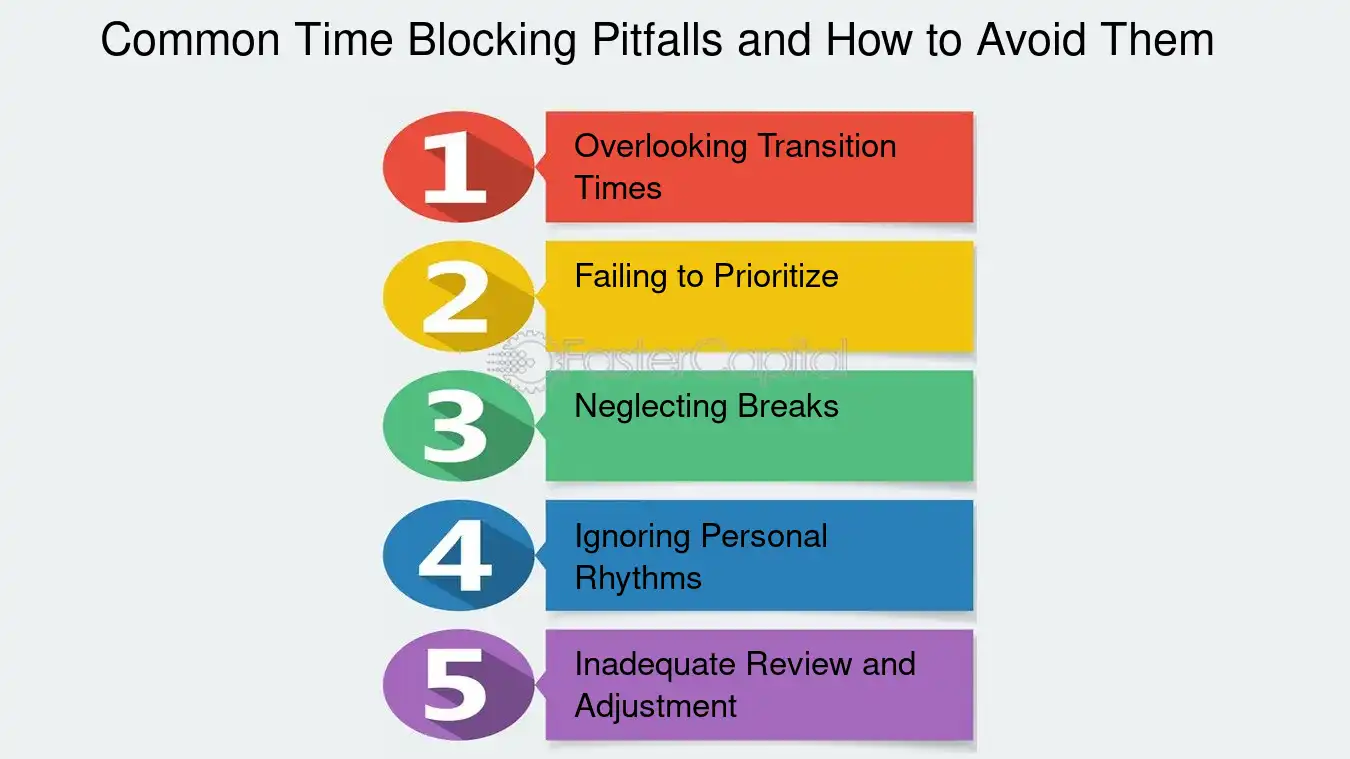
1. Overlooking Transition Times: Moving from one task to another can consume more time than anticipated. To mitigate this, factor in transition times between blocks to prevent spill-over into the next scheduled activity.
2. Failing to Prioritize: Without clear priorities, time blocking can become a mere list of tasks rather than a strategic plan. Employ the Eisenhower Matrix to categorize tasks by urgency and importance, ensuring that high-priority items receive the attention they deserve.
3. Neglecting Breaks: Continuous work without rest leads to burnout. Schedule short breaks throughout the day to maintain productivity and mental clarity.
4. Ignoring Personal Rhythms: Not all hours are equal in terms of productivity. Align tasks with personal energy levels, tackling the most demanding tasks during peak performance times.
5. Inadequate Review and Adjustment: Time blocking is not a set-it-and-forget-it system. Regularly review and adjust your blocks to reflect changes in priorities and insights gained from previous blocks.
For instance, consider Alex, a project manager who implemented time blocking but found himself constantly overrunning his task blocks. By conducting a time audit, he realized he was not accounting for the frequent interruptions from his team. He adjusted his schedule to include buffer blocks after each meeting, allowing him to address his team's needs without compromising his own tasks. This simple adjustment transformed his productivity and reduced his work-related stress significantly.
Common Time Blocking Pitfalls and How to Avoid Them - Daily Planning Time Blocking: Maximizing Efficiency with Time Blocking Techniques in Daily Planning
6. Advanced Time Blocking Strategies for Professionals
In the realm of professional efficiency, the evolution of time management has led to the adoption of sophisticated techniques that transcend basic scheduling. Among these, a method that stands out for its ability to transform a chaotic workday into a structured symphony of productivity is one that involves segmenting the day into dedicated blocks of time, each earmarked for a specific task or category of tasks. This approach not only ensures that each action item receives the attention it deserves but also mitigates the pitfalls of multitasking, which often leads to diminished focus and subpar work quality.
1. Categorization of Tasks:
Begin by categorizing tasks based on their nature and urgency. For instance, creative tasks that require deep thought could be grouped together, as could quick administrative tasks that can be completed in short bursts.
Example: A graphic designer might block out a morning session for design work, when cognitive resources are at their peak, and reserve post-lunch hours for client correspondence and administrative duties.
2. Prioritization of Blocks:
Assign priority levels to each block, ensuring that high-value activities that contribute most significantly to professional goals are given prominence in the schedule.
Example: A software developer might prioritize coding new features in the early hours and allocate the last hour of the workday to reviewing code, when the mind is more suited to finding errors.
3. Strategic Block Placement:
Place time blocks strategically throughout the day, taking into account energy levels and the potential for interruptions. High-concentration tasks should be scheduled during periods of anticipated quiet.
Example: An author might schedule writing sessions early in the morning, when the house is quiet, and save research tasks for the bustling midday hours.
4. Buffer Blocks:
Integrate buffer blocks to accommodate overflow, unexpected tasks, or transitions between activities. This ensures that the schedule remains flexible and resilient to the unpredictable nature of the workday.
Example: A project manager might include a 30-minute buffer after a long meeting to address any follow-up actions that arise.
5. Review and Adaptation:
Regularly review the effectiveness of your time blocks and be willing to adapt them as needed. This iterative process allows for continuous refinement and personalization of the technique.
Example: A consultant might find that client calls often run over the allotted time and adjust their schedule to include longer blocks for these interactions.
By implementing these advanced strategies, professionals can elevate their time management to an art form, ensuring that each minute of the workday is leveraged to its fullest potential. The key lies in the thoughtful allocation of time, disciplined adherence to the designated blocks, and the flexibility to adjust as circumstances evolve.
7. Balancing Flexibility Within a Structured Plan
In the realm of daily planning, the juxtaposition of rigidity and adaptability often dictates the success of personal and professional endeavors. The art of time blocking, a revered technique among productivity enthusiasts, necessitates a harmonious blend of these elements. It's not merely about carving out chunks of time for tasks but also about allowing the ebb and flow of life's unpredictabilities to reshape the day's structure without undermining the overall strategy.
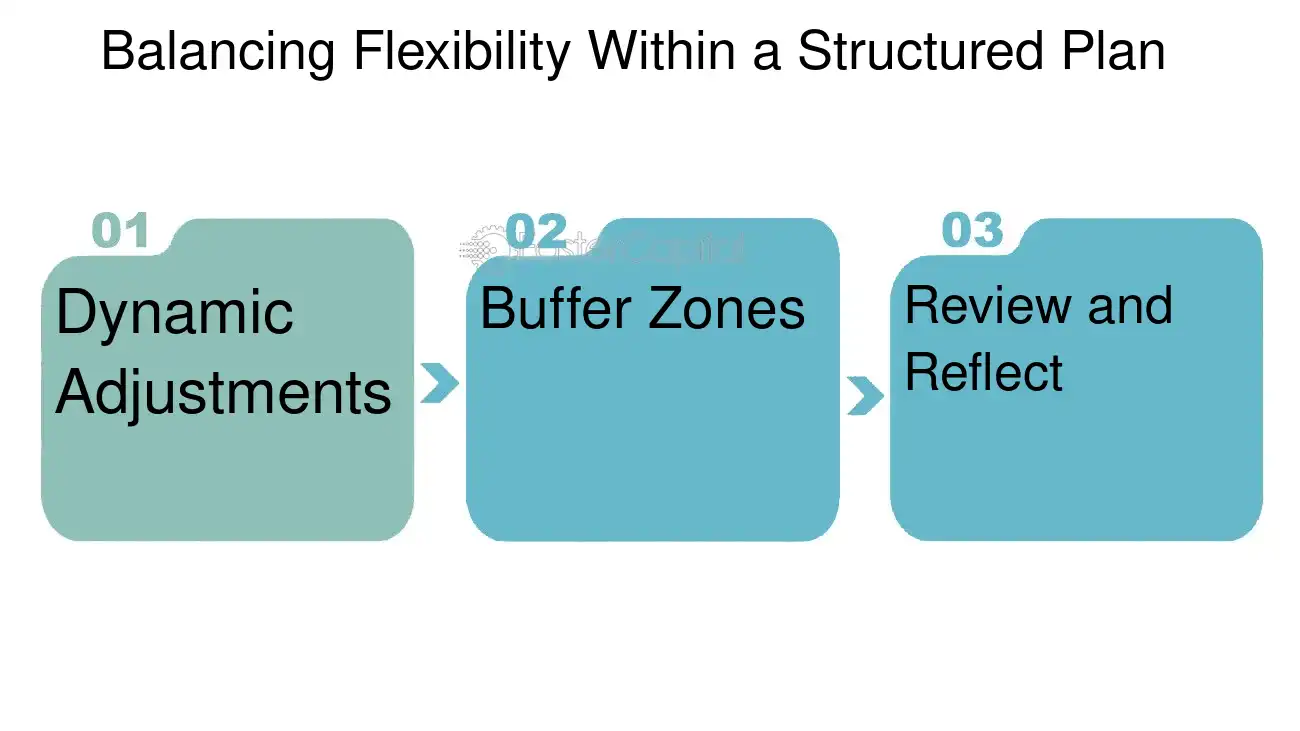
1. Dynamic Adjustments: Consider a professional who has allocated two hours for project development followed by a one-hour team meeting. However, an urgent client request necessitates immediate attention. Here, flexibility is key; the individual could shorten the initial time block, address the client's needs, and then return to the scheduled tasks, ensuring that priority shifts don't derail the day's objectives.
2. Buffer Zones: Introducing buffer zones between time blocks can provide the necessary leeway to accommodate overflows or unexpected tasks. For instance, a writer might schedule a morning for creative work, followed by a buffer before transitioning to administrative duties. Should inspiration strike longer than anticipated, the buffer absorbs the overrun, maintaining the day's integrity.
3. Review and Reflect: At day's end, a retrospective glance at the planned versus actual time spent offers insights for future adjustments. Perhaps a task consistently takes longer than expected, indicating a need for more realistic time allocations or efficiency improvements.
Through these strategies, individuals harness the power of time blocking while retaining the flexibility to navigate the day's unpredictable tides. This equilibrium ensures that structure serves as a guide rather than a constraint, fostering a productive yet adaptable approach to daily planning.
Balancing Flexibility Within a Structured Plan - Daily Planning Time Blocking: Maximizing Efficiency with Time Blocking Techniques in Daily Planning
8. Measuring Success and Adjusting Your Approach
In the realm of daily planning, the true test of efficacy lies not just in meticulous scheduling but in the tangible outcomes that emerge from it. The art of time blocking is a dynamic process, requiring regular reflection and recalibration to ensure that it serves its purpose of amplifying productivity. To gauge the effectiveness of this technique, one must delve into a multi-faceted evaluation of both qualitative and quantitative results.
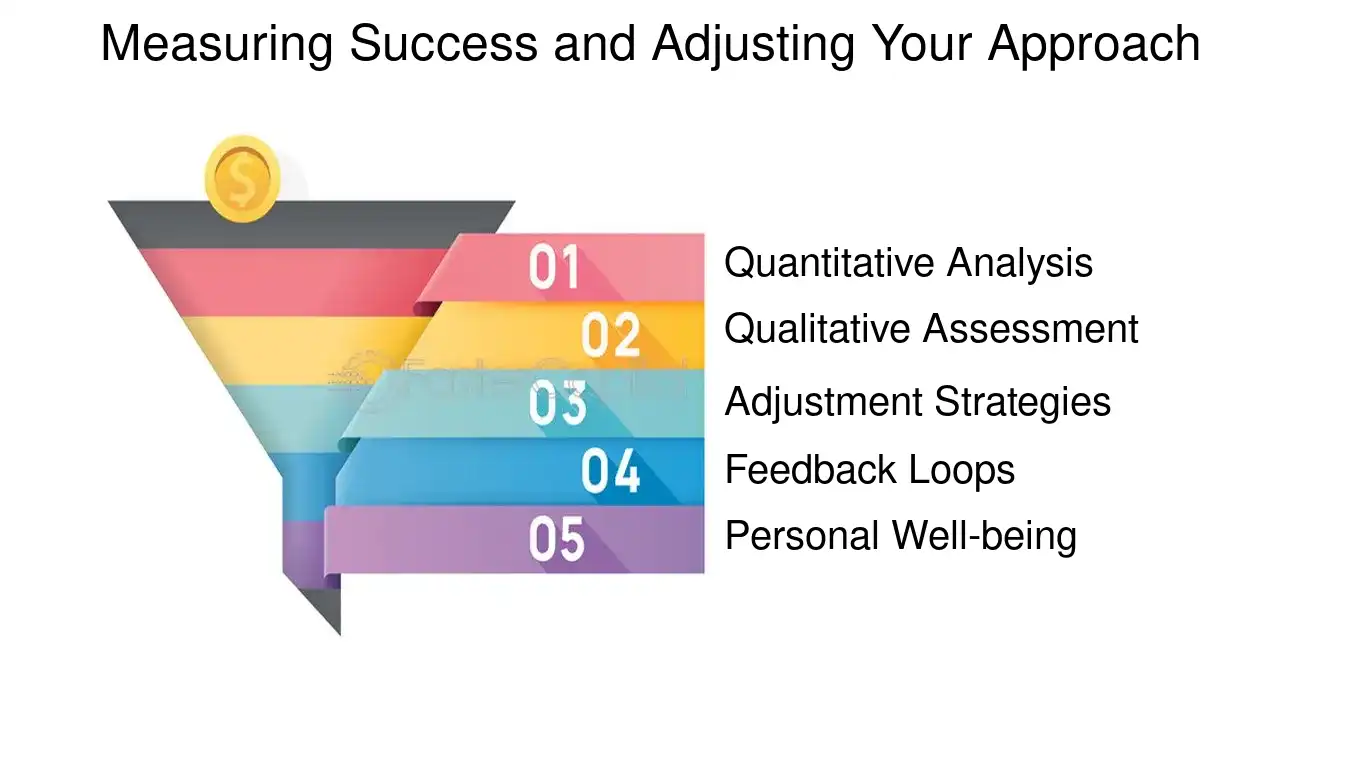
1. Quantitative Analysis: Begin by examining the metrics. How many tasks were completed within the allocated blocks? Measure this against your initial goals. For instance, if you had blocked two hours for a project and completed it in one, this indicates efficiency. Conversely, consistently spilling over time may suggest an underestimation of the task's complexity or overestimation of personal capacity.
2. Qualitative Assessment: Beyond numbers, assess the quality of work produced. Did time blocking lead to deeper focus and higher-caliber output? Reflect on the contentment derived from dedicated work sessions. For example, a writer might find that time blocking helps produce more thoughtful and polished articles, as opposed to fragmented work periods that yield less cohesive pieces.
3. Adjustment Strategies: Armed with insights, adjust your approach. If certain tasks consistently overrun their time blocks, consider breaking them down into smaller, more manageable segments. Alternatively, if you find extra time on your hands, challenge yourself with more complex tasks to maximize the use of your skill set.
4. Feedback Loops: Incorporate feedback from peers or supervisors to fine-tune your schedule. Their perspectives can offer valuable insights into how your time management impacts collaborative projects and overall team dynamics.
5. Personal Well-being: Lastly, evaluate the impact on your personal well-being. Are you ending your days feeling accomplished yet balanced, or does your schedule leave you drained? adjusting your time blocks to include breaks and personal time can lead to sustained productivity without burnout.
By consistently measuring and adjusting, you transform time blocking from a static schedule to a living framework that evolves with your needs, ensuring that each day is not only well-planned but also well-spent.
Measuring Success and Adjusting Your Approach - Daily Planning Time Blocking: Maximizing Efficiency with Time Blocking Techniques in Daily Planning