1. Understanding Procrastination and Time Perception
2. The Psychology Behind Time Perception and Delay
3. Practical Techniques to Alter Time Perception
4. Living in the Present to Reduce Procrastination
5. The Key to Changing Your Time Outlook
6. The Role of Technology in Shaping Our Time Perception
7. Creating a Procrastination-Proof Environment
8. Long-Term Strategies for Sustained Time Perception Adjustment
Procrastination Solutions: Time Perception Adjustment: Adjusting Time Perception to Tackle Procrastination
1. Understanding Procrastination and Time Perception
Procrastination is often perceived as a mere lack of willpower or poor time management, but at its core, it's intricately linked to how individuals perceive the passage of time. This cognitive distortion leads to an inconsistent evaluation of future tasks, where distant deadlines seem less urgent compared to immediate pleasures. The human brain tends to value immediate rewards more highly than future benefits, a tendency known as temporal discounting. This skewed perception can make tasks that are not immediately rewarding seem less important, leading to postponement.
1. Temporal Motivation Theory (TMT) posits that the likelihood of completing a task is inversely related to the time until a task's deadline. As deadlines approach, perceived task value and probability of completion increase, reducing the inclination to procrastinate.
2. Time Inconsistency refers to the change in preference over time towards what's immediately rewarding, often at the expense of long-term goals. For instance, one might choose to watch a movie instead of studying for an exam that's weeks away.
3. Present Bias is the tendency to give stronger weight to payoffs that are closer to the present time. For example, even though exercising is beneficial in the long run, the immediate discomfort may lead someone to skip the gym.
adjusting one's time perception involves strategies to make future consequences feel more immediate and tangible. Techniques such as the Pomodoro Technique, which breaks work into short intervals, can help by creating a series of 'mini-deadlines'. Visualization of the future self can also bridge the gap between present actions and future outcomes, making the long-term rewards feel more immediate.
By understanding the psychological underpinnings of procrastination, individuals can employ targeted strategies to recalibrate their time perception, aligning their present actions with their future goals. This adjustment is not about finding more time but about enhancing the quality of time and the decision-making process within it.
2. The Psychology Behind Time Perception and Delay
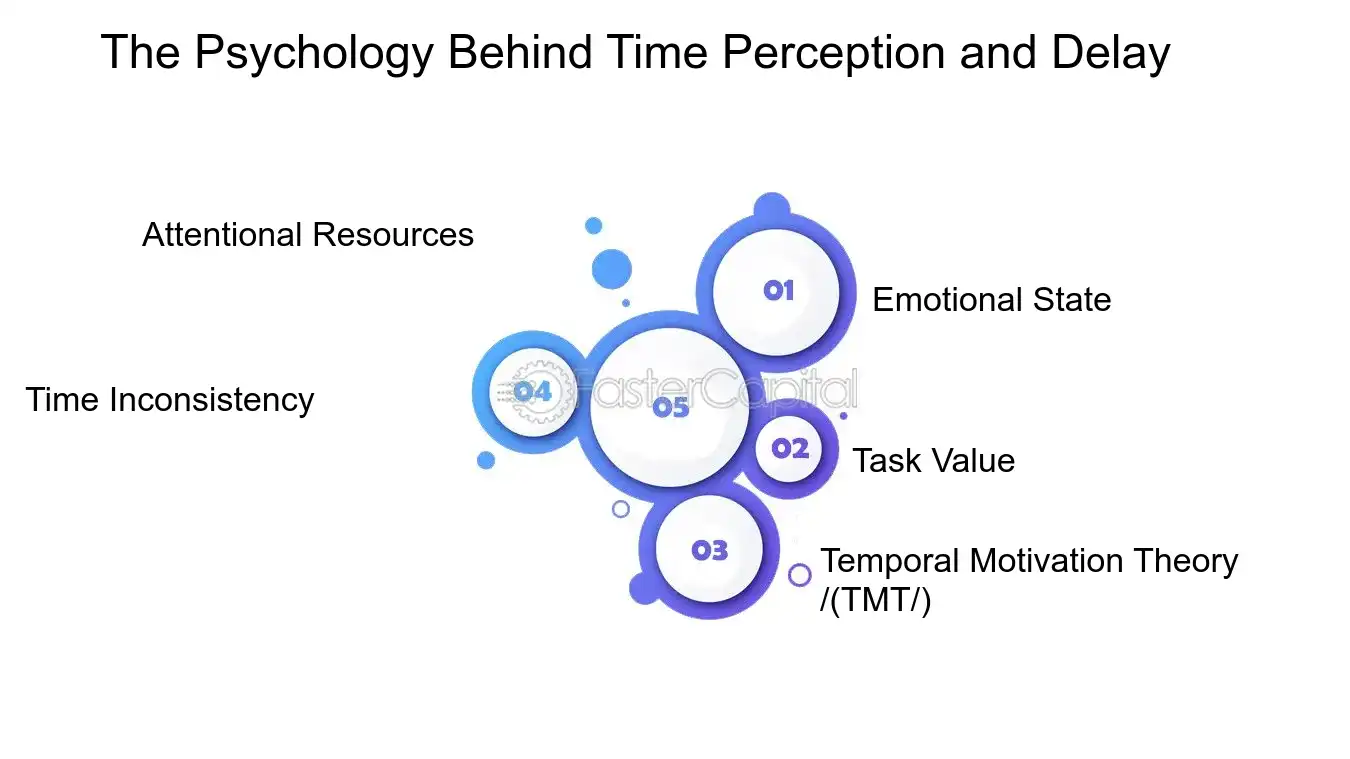
Understanding how we perceive the passage of time is crucial in addressing why we often delay tasks. This perception is not just a simple ticking of a clock but a complex psychological process influenced by a multitude of factors. For instance, an hour spent scrolling through social media can feel fleeting, while the same hour focused on a daunting task can seem endless. This subjective experience of time plays a pivotal role in procrastination.
1. Emotional State: Our emotions significantly color our perception of time. Anxiety or stress about a task can make time seem to drag, leading to avoidance.
2. Task Value: The perceived value or enjoyment of a task affects how we experience time. High-value tasks may lead to a state of 'flow', where time seems to pass quickly, while low-value tasks can make minutes feel like hours.
3. Temporal Motivation Theory (TMT): This theory suggests that our willingness to engage in a task is inversely related to the time until a deadline. The further away the deadline, the less urgent the task feels.
4. Time Inconsistency: People tend to value immediate rewards more highly than future ones, a concept known as hyperbolic discounting. This can lead to delaying tasks with long-term benefits.
5. Attentional Resources: When a task requires significant mental effort, our perception of time can slow down because our cognitive resources are heavily taxed.
Illustrating with Examples:
- Emotional State: Consider two students, one who feels anxious about math homework and another who enjoys it. The anxious student might procrastinate, feeling as though the task will take forever, while the student who enjoys math dives in without hesitation.
- Task Value: A writer passionate about their novel may work for hours without noticing the time pass, while the same writer might procrastinate on a less interesting report.
- TMT: A student might put off studying for an exam until the night before, when suddenly the task becomes urgent and time feels scarce.
- Time Inconsistency: Saving for retirement is often postponed because the immediate pleasure of spending money outweighs the distant benefit of saving.
- Attentional Resources: Drafting a complex report might feel like a slow and arduous process compared to more automatic tasks like responding to emails.
By recognizing these factors, individuals can begin to adjust their perception of time, making it a powerful ally rather than a hurdle in overcoming procrastination. Strategies such as breaking down tasks, creating artificial deadlines, and finding ways to make tasks more enjoyable can help align our time perception with our goals.
The Psychology Behind Time Perception and Delay - Procrastination Solutions: Time Perception Adjustment: Adjusting Time Perception to Tackle Procrastination
3. Practical Techniques to Alter Time Perception
In the quest to conquer procrastination, the manipulation of one's temporal experience emerges as a formidable ally. By mastering the art of perceptual time alteration, individuals can transform the daunting expanse of time into manageable increments, thereby enhancing productivity and mitigating the allure of delay. This technique pivots on the psychological principle that our perception of time's passage can be accelerated or decelerated through deliberate cognitive strategies, effectively 'bending' time to our will.
Here are some practical methods to achieve this:
1. Segmentation of Tasks: Break down large tasks into smaller, more digestible parts. This not only makes the task seem less intimidating but also provides multiple opportunities for accomplishment. For example, instead of viewing a report as a monolithic task, divide it into sections like research, writing, and editing.
2. Controlled Distraction: Introduce controlled distractions that can make longer tasks feel shorter. Listening to music or a podcast while doing household chores can make the time seem to pass more quickly.
3. Mindfulness and Flow: Engage in mindfulness practices to enter a state of 'flow', where one loses track of time due to deep immersion in the activity. An artist might find themselves in this state while painting, where hours can feel like minutes.
4. pomodoro technique: Use the Pomodoro Technique, which involves working for 25 minutes followed by a 5-minute break. This method not only segments work into short bursts but also creates a sense of urgency that can alter the perception of time.
5. Visualization: Visualize the future benefits of completing a task to create a mental bridge to that moment, effectively shortening the perceived distance to the goal. For instance, envisioning the relief and satisfaction of submitting a project can motivate one to start working on it sooner.
By employing these strategies, individuals can reshape their experience of time, turning it from a foe that fosters procrastination into an ally that promotes action and achievement. Through this temporal mastery, the chronic postponement of tasks becomes a habit of the past, replaced by a proactive approach to life's demands.

Practical Techniques to Alter Time Perception - Procrastination Solutions: Time Perception Adjustment: Adjusting Time Perception to Tackle Procrastination
4. Living in the Present to Reduce Procrastination
In the pursuit of overcoming the habitual delay of tasks, it is essential to harness the power of present-moment awareness. This approach pivots on the principle that by anchoring oneself in the 'now', one can diminish the psychological distance between the present and the envisioned future where the task at hand is completed. This psychological proximity to the future task completion fosters a sense of immediacy, compelling action over postponement.
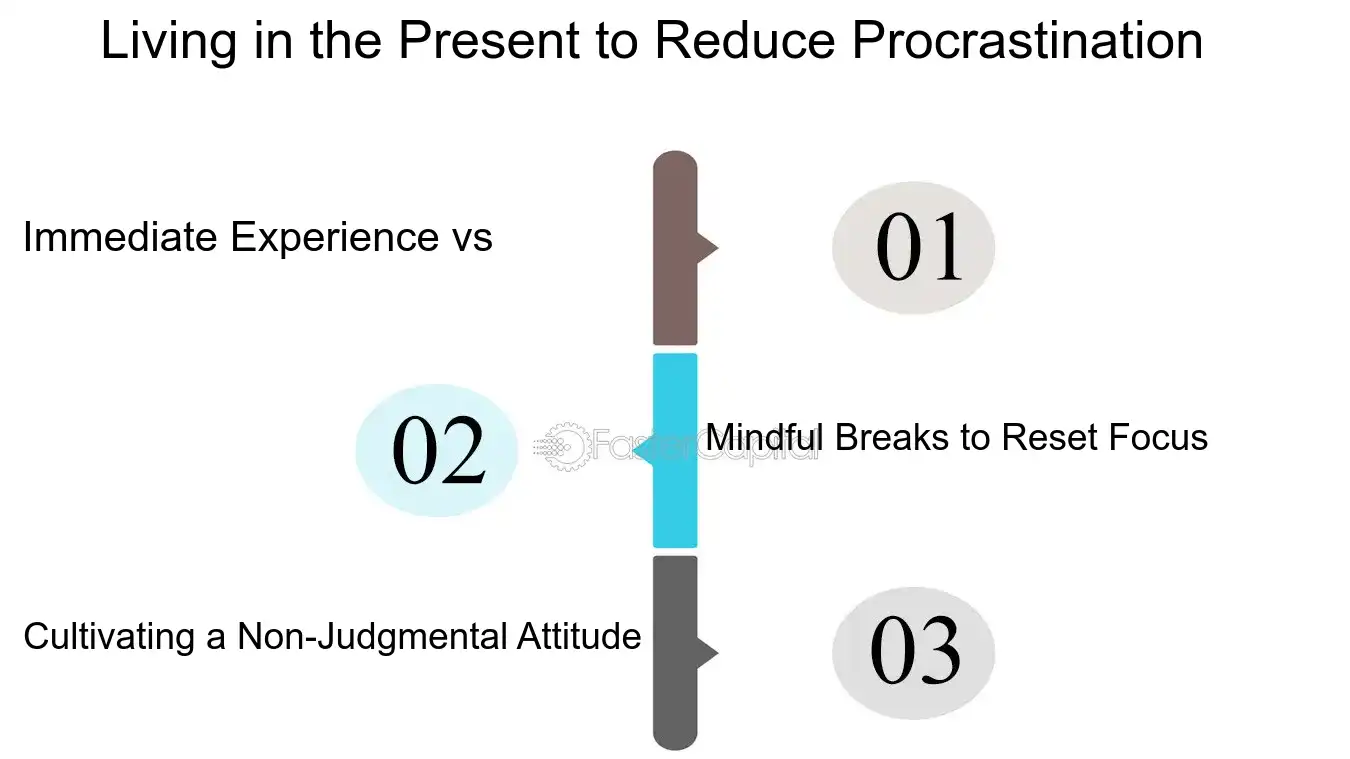
1. Immediate Experience vs. Future Projection: Often, procrastination is rooted in viewing tasks as future challenges, detached from the current moment. By practicing mindfulness, individuals learn to experience the immediate reality, which can transform the perception of tasks from distant obligations to immediate actions.
Example: Consider the act of writing a report. When perceived as a future obligation, it may seem daunting and easy to defer. However, by focusing on the present action of writing one sentence at a time, the task becomes manageable and less overwhelming.
2. mindful Breaks to reset Focus: Short, mindful breaks can serve as a reset button, bringing attention back to the present and away from distractions or stressors that lead to procrastination.
Example: After working for an hour, a five-minute meditation focusing on breath can realign one's focus with the task at hand, rather than the temptation to procrastinate.
3. Cultivating a Non-Judgmental Attitude: Mindfulness encourages a non-judgmental stance towards oneself and one's work. This attitude reduces the self-criticism that often accompanies procrastination, creating a more compassionate and productive mindset.
Example: When struggling to start a project, instead of self-reprimand, acknowledging the challenge and gently steering oneself towards the first step can initiate progress.
By integrating these mindfulness strategies, individuals can reshape their time perception, viewing tasks within the context of the present rather than as distant events. This shift not only curtails the inclination to procrastinate but also enhances overall well-being by promoting a more engaged and intentional approach to daily activities.
Living in the Present to Reduce Procrastination - Procrastination Solutions: Time Perception Adjustment: Adjusting Time Perception to Tackle Procrastination
5. The Key to Changing Your Time Outlook
Embarking on the journey to overcome procrastination, one must first acknowledge the pivotal role of goal setting. It's not merely about listing aspirations; it's about crafting attainable targets that resonate with one's current reality and future ambitions. This alignment is crucial as it directly influences our perception of time—transforming it from a relentless foe to a manageable and even an ally.
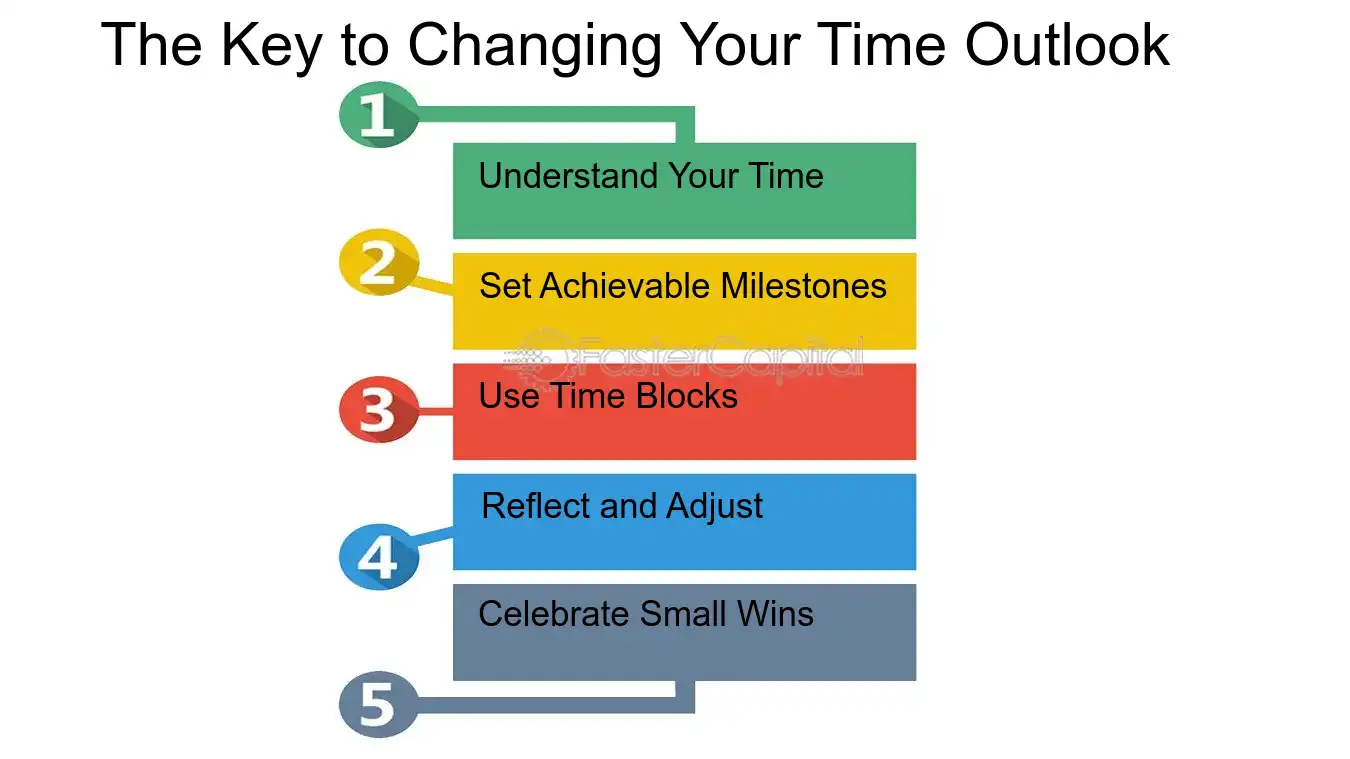
1. Understand Your Time: Begin by evaluating how you currently spend your time. For instance, if you believe writing a report takes two hours but consistently find it takes four, your time perception needs recalibration.
2. Set Achievable Milestones: Break down larger goals into smaller, actionable steps. Imagine aiming to run a marathon; start with running short distances and gradually increase your target.
3. Use Time Blocks: Allocate specific time blocks for tasks. This method, known as time-blocking, helps in visualizing and committing to the tasks at hand.
4. Reflect and Adjust: regularly reflect on your progress. If you find certain tasks consistently overrun their allotted time, adjust your planning accordingly.
5. Celebrate Small Wins: Acknowledge and celebrate the completion of each step. This positive reinforcement can shift your time outlook from daunting to rewarding.
By integrating these strategies, one can reshape their time perception, making the process of achieving goals less about racing against time and more about steady, consistent progress.
The Key to Changing Your Time Outlook - Procrastination Solutions: Time Perception Adjustment: Adjusting Time Perception to Tackle Procrastination
6. The Role of Technology in Shaping Our Time Perception
In the quest to conquer procrastination, one's relationship with time is pivotal. The digital age has ushered in an era where our perception of time is continuously influenced by the technology we interact with. The incessant flow of information and the immediacy of digital communication have compressed our sense of time, often leading to a distorted view of how much we can accomplish within the confines of a day.
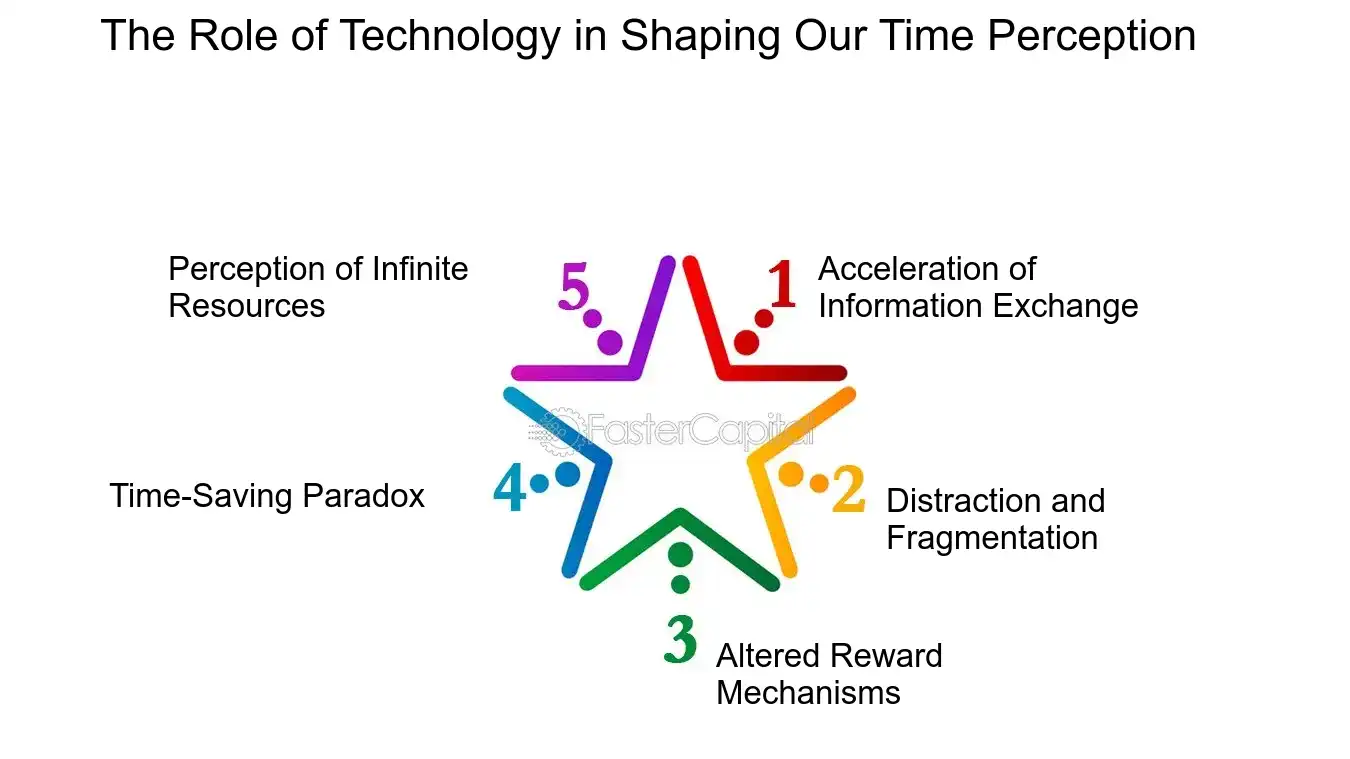
1. Acceleration of Information Exchange: The rapid exchange of emails, instant messages, and social media updates creates an illusion of efficiency, yet it can also lead to an overwhelming sense of urgency and haste. This perceived acceleration can cause individuals to overestimate their available time, pushing tasks further into the future.
2. Distraction and Fragmentation: Multitasking, once heralded as a skill, has been revealed by numerous studies to be detrimental to productivity. The constant notifications and alerts from our devices fragment our attention, making it challenging to engage deeply with tasks at hand.
3. Altered Reward Mechanisms: Technology has reprogrammed our reward systems. The instant gratification obtained from likes, shares, and quick replies can make the delayed gratification required for long-term goals less appealing, thus fostering procrastination.
4. Time-Saving Paradox: While technology promises to save time, the paradox is that it often leads to time wastage. For instance, automation tools can streamline tasks, but the time saved is frequently redirected to other digital activities rather than productive endeavors.
5. Perception of Infinite Resources: The boundless nature of the internet can lead to a false perception of infinite time. Just as one can endlessly scroll through social media, one might also postpone tasks indefinitely, assuming there will always be more time later.
Example: Consider the case of a writer using a word processor. The tool's efficiency allows for rapid editing and formatting, which could theoretically shorten the writing process. However, the ease of editing may also lead to endless revisions, as the writer falls into the trap of perfectionism, constantly tweaking without progressing towards completion.
By understanding the ways in which technology shapes our perception of time, we can begin to implement strategies that counteract these influences. This involves setting boundaries for technology use, prioritizing tasks with clear deadlines, and cultivating mindfulness to remain present and focused.
The Role of Technology in Shaping Our Time Perception - Procrastination Solutions: Time Perception Adjustment: Adjusting Time Perception to Tackle Procrastination
7. Creating a Procrastination-Proof Environment
In the quest to conquer the ever-persistent foe of delay, one must consider the spatial and psychological constructs that foster productivity. The environment in which we choose to operate can significantly influence our engagement with tasks and our susceptibility to the lures of procrastination. By curating a space that minimizes distractions and maximizes focus, we can subtly shift our time perception, making the present moment more inviting for action rather than postponement.
1. Designated Work Zones: Establish clear boundaries within your living space that are solely dedicated to work. This could be as simple as a desk in the corner of a room, but it should be consistently used for work-related activities only. For example, a student might designate a quiet corner of their apartment, away from the television and other leisure activities, to signal to their brain that this space is for study.
2. Controlled Access to Distractions: Limit the ease with which you can engage with distractions. If social media is a frequent source of procrastination, consider using website blockers during work hours or leaving your phone in another room. An example of this is a writer who disables internet access on their laptop to ensure uninterrupted writing sessions.
3. Organizational Systems: Implement organizational tools that encourage a flow state. This could include a well-structured to-do list, a visual calendar for deadlines, or even a Kanban board to track progress. A graphic designer might use a digital task manager to keep track of project stages, helping them stay focused on the task at hand.
4. Aesthetic Enhancements: Personalize your workspace with elements that reduce stress and increase well-being. Plants, natural light, or even a color scheme that you find calming can make a significant difference. A programmer might find that having a clean, minimalist desk setup with a small succulent helps maintain a calm, focused mindset.
5. Ergonomic Considerations: Ensure that your physical comfort is not a barrier to productivity. Invest in a good chair, a desk at the right height, and perhaps a secondary monitor if it helps with your workflow. An architect might invest in a standing desk to alternate between sitting and standing throughout the day, reducing physical discomfort and keeping energy levels steady.
By meticulously crafting an environment that aligns with these principles, individuals can create a fortress against procrastination, turning their workspace into a conduit for efficiency and a bastion of industriousness. The transformation of one's surroundings is a powerful step in adjusting time perception, where the present becomes a canvas for action and the future a mere continuation of today's accomplishments.
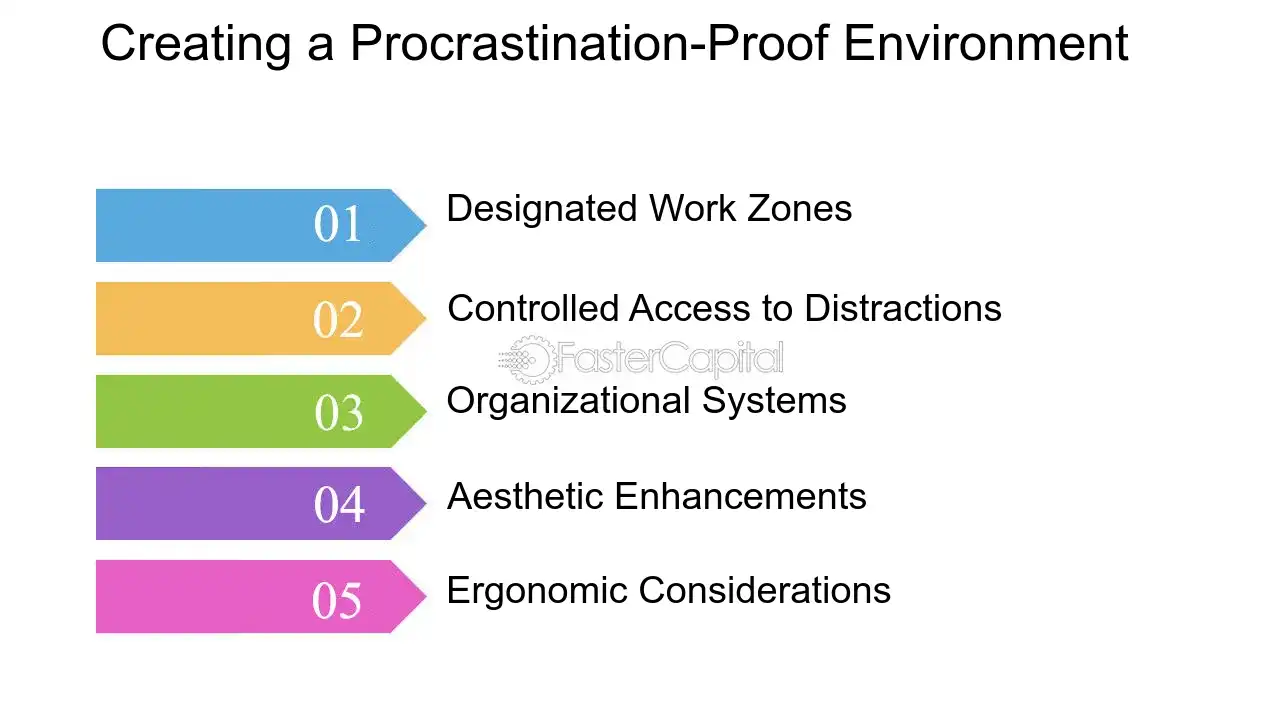
Creating a Procrastination Proof Environment - Procrastination Solutions: Time Perception Adjustment: Adjusting Time Perception to Tackle Procrastination
8. Long-Term Strategies for Sustained Time Perception Adjustment
In the pursuit of overcoming the habitual delay of tasks, it is essential to consider the psychological underpinnings that govern our sense of time. The elasticity of time perception can often lead to an underestimation of the time required to complete tasks, thereby fueling procrastination. To rectify this cognitive distortion, one must adopt a multifaceted approach that not only recalibrates the internal clock but also fosters an environment conducive to productivity. Here are some strategies:
1. Temporal Self-Projection: Practice visualizing oneself in the future having completed the task. This mental exercise strengthens the connection between present actions and future outcomes, making the abstract concept of future rewards more tangible.
2. Implementation Intentions: Set specific intentions by stating when, where, and how a task will be performed. For example, "I will start my report at 9 AM in the library using the Pomodoro technique," which can help anchor the task in reality.
3. Time Blocking: Allocate fixed time slots for tasks in a calendar. This method transforms open-ended tasks into concrete events, reducing the ambiguity that often leads to procrastination.
4. Mindfulness Training: Engage in mindfulness practices to enhance present-moment awareness, which can help in recognizing and adjusting one's time perception on the fly.
5. Cognitive Restructuring: Challenge and reframe irrational beliefs about time, such as "I need to be in the right mood to work," with more rational thoughts like "I can start small and build momentum."
6. Feedback Loops: Keep track of time spent on tasks versus initial estimates to identify patterns in time misjudgment, allowing for better planning in the future.
By integrating these strategies into daily routines, individuals can gradually shift their perception of time, leading to a more realistic appraisal of task durations and a reduction in procrastination. For instance, a student who consistently overestimates the time available before an exam might employ time blocking to visually map out study sessions, creating a sense of urgency and structure. Similarly, a writer struggling with starting a novel might use temporal self-projection to imagine the satisfaction of holding the published book, thus motivating immediate action. Through persistent application and self-reflection, these techniques can cultivate a more accurate and productive relationship with time.
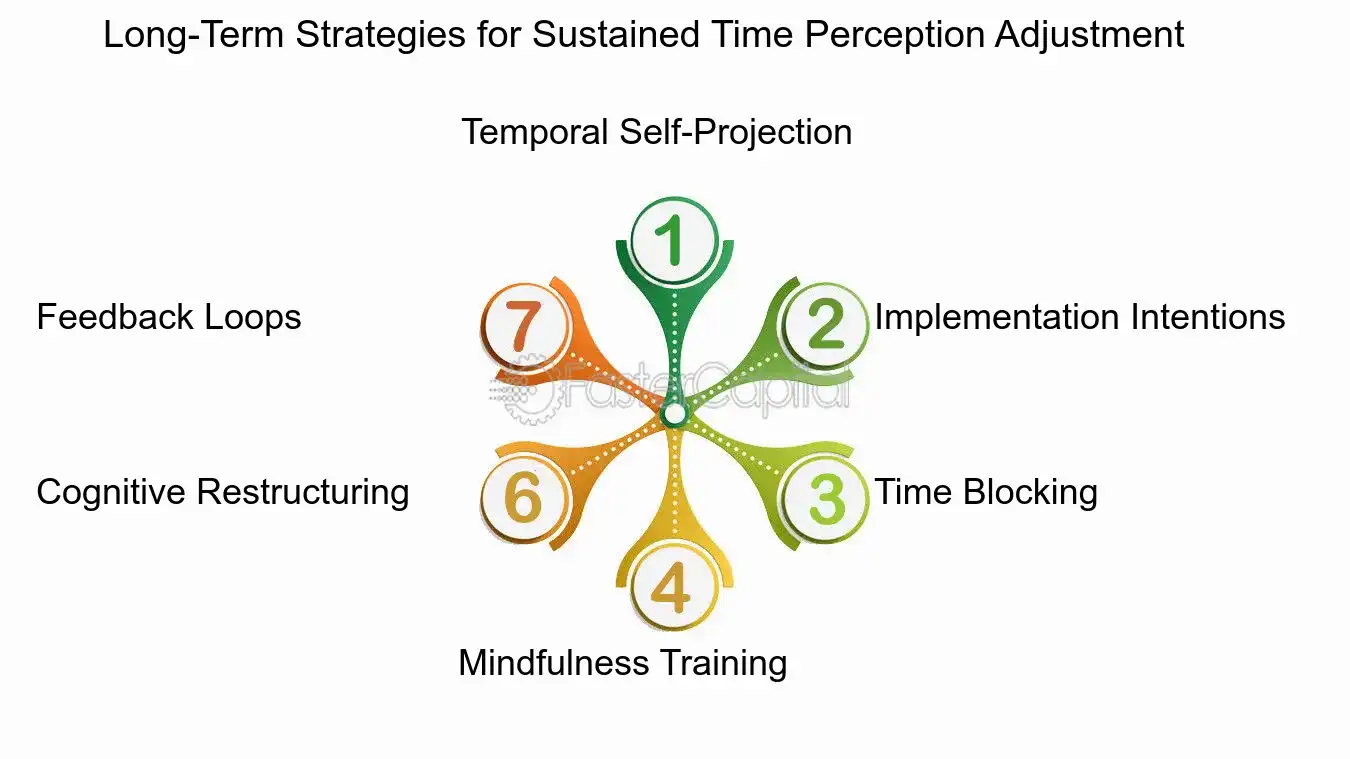
Long Term Strategies for Sustained Time Perception Adjustment - Procrastination Solutions: Time Perception Adjustment: Adjusting Time Perception to Tackle Procrastination
9. Embracing a New Temporal Perspective for Productivity
In the quest to conquer procrastination, the transformation of one's temporal outlook is pivotal. This paradigm shift involves a multifaceted approach, recognizing that time is not merely a linear path but a dynamic landscape that can be navigated with agility and purpose. By altering our perception of time, we unlock the potential to act with greater intention and efficiency.
1. Temporal Fluidity: Consider time as a fluid resource. Just as water can change states, so can moments be optimized or squandered. For instance, envisioning a workday not as a rigid eight-hour block but as a series of opportunities can lead to more productive impulses.
2. Present-Focused Motivation: The power of now is immense. By anchoring oneself in the present, tasks that seem daunting become manageable. A student may dread a term paper deadline weeks away, but focusing on the immediate research can spur action and diminish anxiety.
3. Future-Self Continuity: Cultivating a connection with one's future self can motivate present actions. Visualizing the benefits that current efforts will yield for future endeavors can be a powerful catalyst. A writer might procrastinate on starting a novel but imagining the pride of a finished book can inspire the first chapter.
4. Time Blocking: Allocating specific time slots for tasks can transform an abstract to-do list into a concrete action plan. For example, setting aside two hours for brainstorming can turn a vague idea into a fleshed-out project proposal.
5. mindfulness and time: Mindfulness practices can enhance time perception, making individuals more aware of how they spend each moment. A mindful approach to work can lead to deeper engagement and less time lost to distractions.
By embracing these perspectives, individuals can reshape their relationship with time, turning it from a foe that fosters procrastination into an ally that promotes productivity. Through this lens, every tick of the clock is not a countdown to a deadline but a step towards accomplishment.
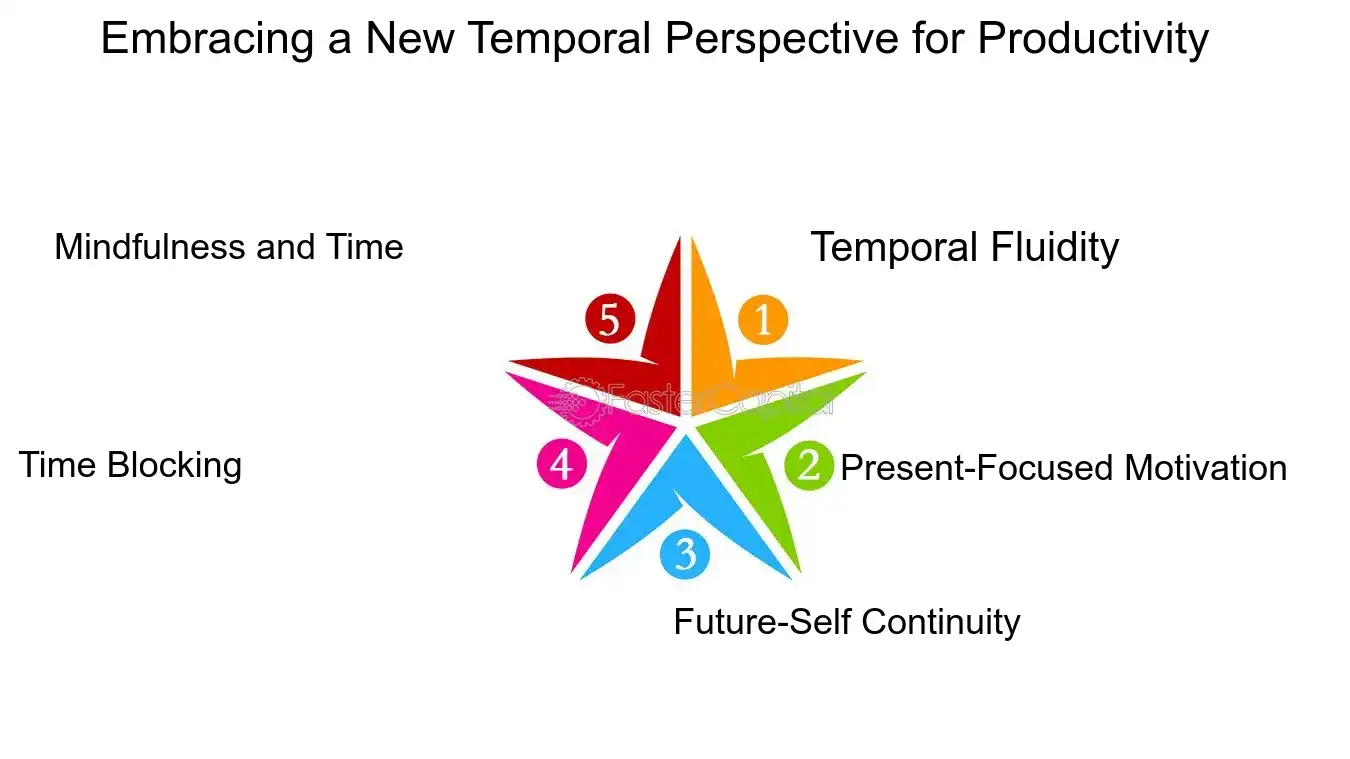
Embracing a New Temporal Perspective for Productivity - Procrastination Solutions: Time Perception Adjustment: Adjusting Time Perception to Tackle Procrastination